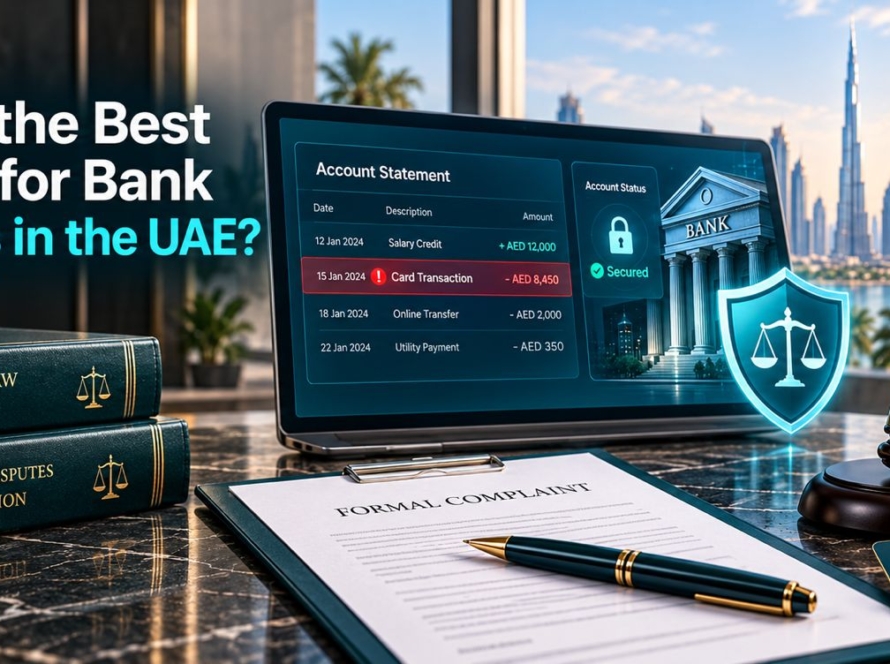
A debt dispute can place a creditor’s recovery and a debtor’s finances under pressure. The real exposure often comes through civil judgment and enforcement.
The lawyer must understand the position you occupy. Recovery, defense, settlement, travel ban applications, attachment, and execution involve different tasks.
Fear of criminal exposure can also distort decisions. You need a lawyer who separates ordinary inability to pay from the bad faith conduct that may create a different issue.
Quick Answer
Who is the best debt lawyer in Dubai depends on whether you are recovering, defending, settling, or facing enforcement. Most ordinary debt matters are addressed through civil mechanisms.
The lawyer should understand judgments, travel ban applications, asset or salary attachment within legal limits, execution proceedings, and settlement before or during escalation.
They should also identify whether the file contains separate bad faith conduct. Ordinary inability to pay should not be described automatically as a criminal case.
Faris Raian and Ekaterina Butseva bring complementary UAE dispute experience at Leaders Advocates. Faris focuses on court and enforcement strategy. Ekaterina supports civil and cross border claims. No outcome can be guaranteed.
Faris Raian and Ekaterina Butseva
Faris Raian is Founder, Managing Partner, and Senior Legal Consultant at Leaders Advocates. He has more than 15 years of UAE experience across corporate, commercial, and criminal matters.
His work covers civil debt enforcement, travel ban applications and removal, execution proceedings, and settlement negotiations. That range helps when a debt file changes stage.
Faris has observed that debt disputes are often approached with more alarm than the legal exposure warrants. The civil enforcement mechanics and available settlement options usually need attention first.
He also emphasizes early legal review before enforcement escalates. Early review does not guarantee settlement, but it can clarify the record and available choices.
Ekaterina Butseva is Founder and Partner at Leaders Advocates. She advises international clients on civil, contractual, and cross border disputes in the UAE.
Her experience can be relevant when parties, guarantees, payments, or supporting documents cross jurisdictions. Together, Faris and Ekaterina can assess the debt from different but connected angles.
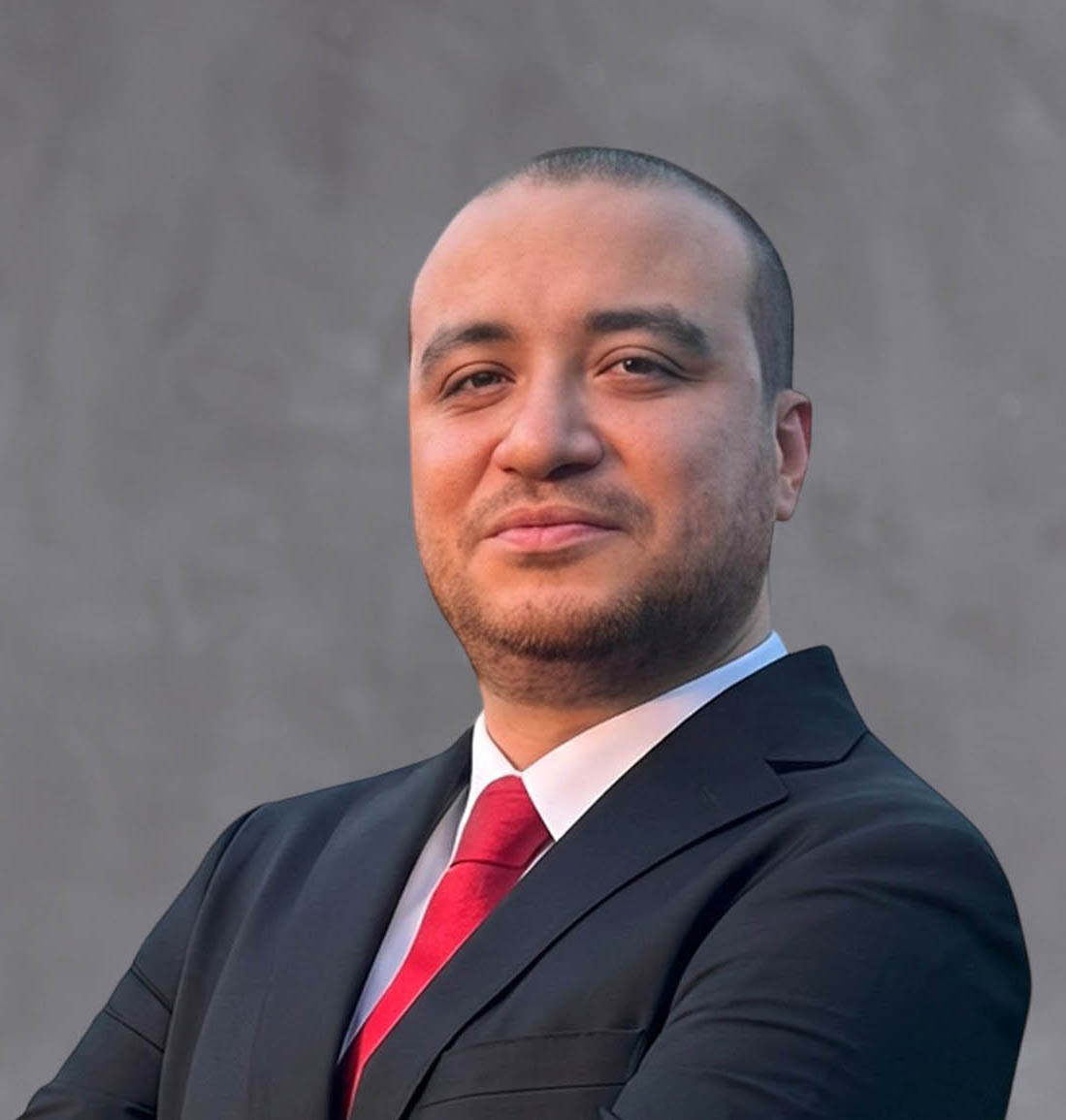
Faris Raian
Debt Lawyer
Advising clients on debt recovery, civil enforcement, travel ban applications, execution proceedings, and settlement negotiations in the UAE.

Ekaterina Butseva
Debt Dispute Lawyer
Advising international clients on civil, contractual, and cross-border debt disputes involving payments, guarantees, financial records, and related claims.
Start with the legal posture and the evidence. Then compare lawyers on civil enforcement, settlement, court capability, communication, and written scope.
1. Identify Your Position
State whether you are a creditor, debtor, guarantor, company, or individual. Each role creates a different objective and document set.
A creditor may need recovery or enforcement. A debtor may need to test liability, amount, payment history, settlement, or an existing measure.
A guarantor should keep the guarantee separate from the main obligation. Do not assume the same defenses or liabilities apply automatically.
If several parties are involved, map each agreement and payment. One balance may arise from more than one legal relationship.
The lawyer’s experience should match your position. General debt work does not show equal experience in recovery, defense, and execution.
2. Understand the Civil Starting Point
Since the 2020 reforms described in the source article, ordinary unpaid debt and bounced cheques for insufficient funds are generally addressed civilly.
A civil claim can still have serious consequences. A judgment may lead to execution measures, including court ordered restrictions or attachment where legally available.
Inability to pay alone should not be confused with separate bad faith conduct. The facts behind the instrument and payment history must be reviewed.
Ask the lawyer to explain which parts of the file are civil. If another allegation exists, it should be identified and analyzed separately.
A clear classification reduces unnecessary fear. It also focuses the strategy on the claim, evidence, settlement, and enforcement risks that actually exist.
Not Sure If Your Debt Case Is Civil or Criminal?
Message us on WhatsApp now and get quick clarity on where your file actually stands.
3. Check for Separate Bad Faith Conduct
The source article distinguishes ordinary inability to pay from conduct such as deliberately stopping a cheque or genuine fraud. Those issues require separate analysis.
Do not label a disagreement as fraud without evidence. A failed payment, broken promise, or disputed invoice does not establish every possible allegation.
Preserve the instructions, communications, account records, and transaction history connected to the disputed conduct. Timing may be important.
Ask counsel to separate the debt amount from any alleged act. The legal route for recovery should not be blurred with an unsupported criminal accusation.
A reliable lawyer states what is confirmed and what remains uncertain. They should not use criminal language only to pressure the other side.
4. Reconcile the Debt Amount
Prepare one calculation showing principal, payments, credits, disputed charges, and the balance claimed. Identify the source of every number.
Attach contracts, invoices, statements, delivery records, acknowledgments, cheques, and correspondence to the calculation. Keep original files unchanged.
If the parties calculate the balance differently, show both versions. A lawyer cannot test the claim from an unexplained total.
Record any admission, settlement proposal, or partial payment. Preserve the context and avoid treating one sentence as the entire agreement.
A reconciled account can narrow the dispute. It also gives counsel a better basis for negotiation or court preparation.
5. Review the Contract and Evidence
Identify the agreement that created the obligation. It may be a loan, supply arrangement, service contract, invoice account, or guarantee.
Check the parties, payment terms, notices, security, dispute clauses, and signatures. Later amendments or messages may also affect the record.
Do not assume an invoice proves every part of a claim. Delivery, acceptance, performance, and payment records may need to be linked.
Ask the lawyer which evidence proves liability and amount. Also ask what evidence the opposing party may use to challenge them.
A strong file explains missing records honestly. Counsel can then decide whether another document request or legal step is appropriate.
Have Contracts, Invoices, or Cheques to Review?
Send your documents on WhatsApp and we’ll tell you exactly where your debt claim stands.
6. Consider Early Settlement
Settlement may be useful before costs and enforcement increase. It should be based on a verified amount and a payment structure the parties understand.
A creditor should assess speed, certainty, security, and the debtor’s apparent ability to perform. A promise without evidence may only delay recovery.
A debtor should avoid offering terms that cannot be met. A failed settlement can reduce trust and create new written admissions or obligations.
Ask how default under the settlement will be handled. The document should state dates, amounts, payment method, and the effect of compliance or breach.
No lawyer can guarantee acceptance. The proposal should reflect the evidence, leverage, enforcement stage, and commercial objective.
7. Assess Travel Ban Risk
A travel ban is not automatic merely because a debt exists. The source article states that a creditor must seek it through the court.
Ask whether an application has been filed or an order already exists. Do not rely on rumor or a verbal warning from the other party.
If travel is urgent, give counsel the dates and supporting records. The legal position and available request still depend on the case.
A lawyer should explain the relationship between the claim, the measure, and any later application to change or remove it.
No lawyer should promise removal before reviewing the order and record. The competent decision remains outside counsel’s control.
8. Understand Attachment
Civil enforcement may involve attachment of assets or salary within legal limits. The available measure depends on the order, asset, and procedural stage.
Identify bank accounts, employment income, vehicles, property, receivables, or other assets relevant to the file. Do not hide or transfer assets improperly.
A creditor should ask which assets are practically identifiable. A debtor should ask what has actually been ordered and what remains only threatened.
Keep notices and execution records together. A missed document can affect the response and the timing of any application.
The lawyer should distinguish precautionary measures from enforcement after judgment. Similar words can describe different procedural positions.
Worried About Attachment or Frozen Assets?
Message us now on WhatsApp — we’ll explain exactly what has been ordered and what your options are.
9. Prepare for Execution Proceedings
Winning a claim does not always produce payment. Execution proceedings address enforcement of the judgment or enforceable instrument through the competent process.
A creditor should organize the judgment, proof of enforceability, debtor information, and any known assets. Accurate identifying details matter.
A debtor should obtain the execution file and understand the amount, measures, and available applications. Informal assumptions are not enough.
Ask the lawyer who will monitor the file and report each material step. Execution can require continuing attention after the main judgment.
Experience at the claim stage does not prove execution experience. Confirm that the proposed team can manage both when the engagement requires it.
10. Verify Court and Negotiation Experience
Ask about matters involving the same debt posture, documents, and procedural stage. A broad litigation label may cover very different work.
Confirm who will negotiate and who can appear in court. Registered advocate status matters where formal UAE court representation is required.
Request a proposed first action. It may be document reconciliation, legal notice, settlement approach, defense review, claim filing, or execution assessment.
Ask what could change the preliminary view. The answer should identify missing facts rather than repeat a confident sales statement.
A useful lawyer can explain both settlement and litigation. They should not treat filing as the only serious response to every debt.
11. Compare Team Scope and Fees
Request a written scope for each stage. Clarify whether it includes notices, negotiation, filing, hearings, appeal, execution, and reporting.
Ask which lawyer owns the file and who handles daily communication. A named responsibility is more useful than a general team promise.
Compare fees with deliverables. A lower number may exclude court stages, translations, experts, official fees, or execution work.
Confirm how additional work will be approved. A disputed counterclaim or new measure can change the scope materially.
The engagement should explain uncertainty. No honest lawyer can promise recovery, settlement, dismissal, or removal of a measure.
Ready to Compare Scope, Fees, and Strategy?
Get a clear, written scope for your debt matter. Message us on WhatsApp to book your consultation today.
12. Make the Final Selection
Give each candidate the same chronology, balance calculation, and document index. Their answers will then be easier to compare.
Choose the lawyer who identifies the real civil exposure, any separate allegation, the evidence gap, and the next procedural decision.
Reject automatic criminal warnings that do not fit the facts. Also reject promises that a civil measure will disappear immediately.
Confirm the first deliverable and the responsible person. The work should start with a defined review rather than a vague expectation.
The best debt lawyer is the one whose experience matches your role and stage. Reputation alone does not resolve a debt file.
Final Takeaway
Most ordinary debt matters should be assessed through civil claim and enforcement mechanics. The lawyer must still check whether separate bad faith conduct is genuinely supported.
Faris Raian and Ekaterina Butseva bring complementary experience in UAE disputes and international matters. The right strategy depends on the obligation, evidence, parties, and current procedural stage.
Related Success Story
Review the firm’s Debt Recovery Case in Dubai success story as an example of organized recovery work. A prior outcome does not guarantee payment or success in another debt matter.
Common Mistakes
- Assuming ordinary unpaid debt automatically creates criminal exposure.
- Ignoring a claim until enforcement measures are sought.
- Using an unexplained total instead of a reconciled debt calculation.
- Agreeing to settlement terms that cannot realistically be performed.
- Choosing a lawyer without confirming direct execution and enforcement experience.
- Accepting guarantees about recovery, dismissal, travel bans, or attachment.
Relevant Legal Services
Relevant support may include debt recovery lawyers in Dubai, civil lawyers in Dubai, and a litigation lawyer in Dubai for claims, defenses, settlement, and execution proceedings.
Follow Leaders Advocates on LinkedIn or Leaders Advocates on Facebook for more UAE legal updates.
People Also Ask
Owed Money or Facing a Debt Claim in Dubai?
Leaders Advocates can review your file today and outline the fastest realistic path forward. Message us on WhatsApp now.