


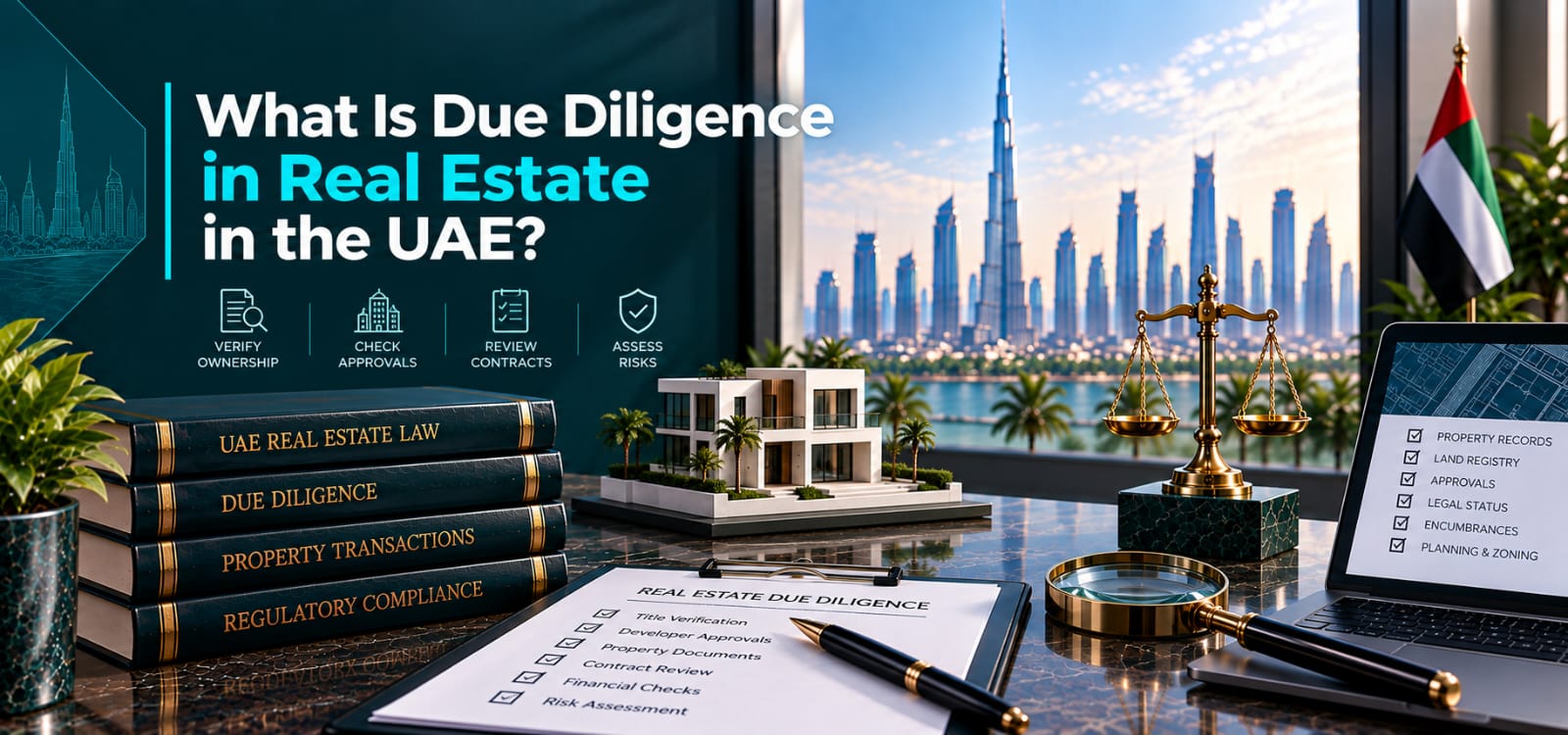

Quick Answer
Real estate due diligence in the UAE verifies the property, parties, title, contract, financing, and regulatory position before money becomes difficult to recover. The review should match the transaction type.
For a completed property, confirm DLD ownership, the seller’s authority, mortgages, restrictions, service charges, approved use, and physical condition. Review the sale agreement and payment process.
For off-plan property, check the developer, project registration, interim registration, escrow account, construction status, payment schedule, handover terms, and contractual remedies.
For a lease, verify the landlord’s authority, property details, permitted use, Ejari position, rent terms, maintenance, and deposit. Independent verification matters more than a brochure or verbal assurance.
About Faris Raian
Faris Raian is Founder and Managing Partner at Leaders Advocates. His UAE practice includes commercial and real estate transactions and disputes. In property due diligence, he focuses on independent verification of title, authority, encumbrances, project records, and the contract before the client commits funds.
A polished listing can hide a title problem, mortgage, unauthorized seller, project delay, or contract term that shifts the risk to the buyer.
These problems are cheaper to identify before signing or payment. After completion, the buyer may need litigation to recover money or correct the title.
Use a written due diligence scope. Verify the property, seller, title, finance, project, approvals, contract, payments, physical condition, and exit plan.
Resolve material issues before the deposit becomes nonrefundable. Record every condition that must be satisfied before completion.
What Is Due Diligence in Real Estate
Due diligence is an independent legal and factual review before a purchase, lease, finance, or investment. It tests whether the proposed transaction matches the records.
The scope changes by asset and deal. A completed apartment, off-plan unit, warehouse, land plot, and commercial lease require different checks.
The report should identify confirmed facts, missing documents, legal risks, and actions required before signing or payment.
Confirm the Buyer Objective
Start with the intended use. A home, rental investment, office, short-term rental, and redevelopment project raise different questions.
Confirm budget, financing, ownership vehicle, target completion date, and exit plan. These facts determine which risks are material.
Do not review the contract in isolation. A legally transferable property may still be unsuitable for the buyer’s intended activity.
Verify the Seller
Match the seller’s identity to the current title. Check passport, Emirates ID, company documents, or other required identification.
If an attorney signs, review the power of attorney, scope, validity, and authentication. Confirm that it authorizes the specific sale and receipt of funds.
For a company seller, review incorporation, authority, approvals, and the signatory’s power. A sales representative may not have transfer authority.
About to Buy or Lease Property in the UAE?
Send us the listing and any documents on WhatsApp. We’ll tell you what needs verifying before you commit any money.
Verify the Title With the DLD
Dubai Law No. 7 of 2006 governs real property registration. Obtain current DLD information rather than relying only on a copy supplied by the seller.
Check the owner, property number, area, share, type, and registered rights. Compare the details with the listing, floor plan, and contract.
Investigate any mismatch before signing. Small numbering differences can identify a different unit, parking space, or storage area.
Mortgages and Encumbrances
Confirm whether the property is mortgaged or subject to another registered restriction. The completion plan must address release or transfer.
Obtain a current liability or settlement statement where relevant. Check the validity period and required payment route.
Do not send money directly to a seller when the agreed process requires lender settlement or trustee handling.
Ownership Shares
When several people own the property, verify each registered share and required signature. One owner cannot transfer another owner’s interest without authority.
Review any co-owner agreement, inheritance file, divorce settlement, or company arrangement affecting the sale.
If an owner has died, confirm the estate representative and the authority to transfer the share.
Property Details and Approved Use
Check the unit area, plot, permitted use, parking, storage, common areas, and approved plans. Marketing descriptions are not registry records.
A residential unit may not support every business or short-term rental use. Building rules and licensing requirements can matter.
Review alterations and extensions. An unapproved change can affect finance, insurance, transfer, or future work.
Found a Mismatch in the Title or Documents?
Do not sign or pay yet. Message us on WhatsApp and we’ll help you confirm what’s actually registered before you commit.
Service Charges and Building Records
Request current service charge information and any arrears. Confirm the process for obtaining a no-objection certificate.
Review major planned works, special assessments, building condition, and management disputes where information is available.
Compare recurring costs with the investment model. A low purchase price can be offset by high annual charges.
The Sale and Purchase Agreement
The contract should identify the property, price, deposit, completion date, conditions, documents, and transfer process.
Review default, termination, refund, compensation, notice, force majeure, dispute resolution, and governing law clauses.
Avoid signing a standard form before the due diligence conditions are written into it. Verbal promises should be recorded in the agreement.
Deposit and Payment Controls
Confirm who holds the deposit and when it can be released. Use the agreed regulated or documented payment channel.
Link payments to milestones and deliverables. Record the account details through a verified communication channel.
Fraudulent payment instructions can appear during property transactions. Independently verify any account change before transfer.
Mortgage Finance
A financed buyer should align valuation, approval, insurance, and completion dates. A preapproval is not always a final commitment.
Check what happens if finance is refused or delayed. The contract should reflect any agreed finance condition.
Include bank valuation and processing time in the completion plan. Do not promise a transfer date the lender cannot meet.
Physical Inspection
Legal due diligence does not replace a technical inspection. Use qualified inspectors for structure, systems, finishes, defects, and measurements.
Record which items remain with the property. Photograph condition and prepare a defect list before completion.
For commercial assets, review fire, access, utility, fit-out, and operational requirements with appropriate specialists.
Financing or Inspecting a Property Soon?
Message us on WhatsApp before you commit to a completion date. We’ll help you align the legal, finance, and inspection timeline.
Rental and Occupancy Status
Check whether the property is vacant, owner-occupied, or leased. Obtain the tenancy contract, Ejari record, notices, deposit, and payment information.
A buyer should understand the tenant’s rights and the practical path to possession. Do not assume the sale ends the tenancy.
Review pending rental disputes, maintenance claims, or unpaid amounts where relevant.
Real Estate Due Diligence for Rentals
A tenant should verify the landlord’s identity and authority. Match the unit, title, and proposed lease.
Review rent, deposit, payment schedule, maintenance, utilities, renewal, notice, permitted use, and Ejari obligations.
Do not pay a person whose authority is unclear. Confirm the broker and payment details independently.
Off Plan Property Due Diligence
Dubai Law No. 13 of 2008 regulates the interim property register for off-plan transactions. Confirm that the project and unit records are in order.
Check the developer’s registration, project status, and the transaction’s registration requirements. Obtain current information from the competent authority.
Review the construction stage, expected completion, payment schedule, and any amendment announced by the developer.
Escrow Account Review
Dubai Law No. 8 of 2007 regulates escrow accounts for real estate development projects. Buyer payments should follow the project’s lawful payment structure.
Verify the project escrow details through reliable records. Do not transfer money to an unrelated personal or company account.
Keep payment confirmations and receipts. The contract should identify the correct account and unit allocation.
Off Plan Contract Terms
Review handover timing, grace periods, variation rights, area changes, inspection, defects, registration, assignment, and default.
The remedies for delay or noncompletion should be clear. Do not rely only on a sales presentation or expected completion date.
Check restrictions on resale or assignment. The buyer’s exit plan may depend on developer approval and paid percentages.
Buying Off-Plan or Worried About Escrow?
Message us on WhatsApp before you send a single payment. We’ll verify the project, developer, and escrow position first.
Developer and Broker Checks
Confirm the developer, project, and broker through the relevant official channels. Check the individual representative’s authority.
Marketing approval does not replace title or project due diligence. Ask who owns the land and how the project is registered.
Preserve advertisements and written promises. They may matter if the delivered property differs from the representation.
Commercial Property Checks
Commercial transactions need added review of zoning, licensing, access, parking, utilities, fit-out, and environmental or sector requirements.
Check whether the building and unit support the intended license. A trade license does not automatically approve the premises.
Review leases, operating contracts, employee occupancy, and equipment ownership when buying an income-producing asset.
Company or Investment Vehicle
The buyer may use a company, partnership, or other permitted structure. Confirm that the entity can own the selected property.
Review shareholder rights, funding, beneficial ownership, tax, succession, and signing authority. The ownership vehicle should fit the investment plan.
Obtain tax and regulatory advice for cross-border structures. Property counsel should not assume another country’s result.
Completion Checklist
- Current title and ownership verification.
- Seller identity and authority.
- Mortgage release or transfer plan.
- Contract conditions satisfied.
- Final inspection and defect record.
- Service charge clearance and approvals.
- Verified payment instructions.
- Lender and transfer appointments.
- Keys, access cards, and original documents.
- Registration and post-completion records.
Do not waive a missing item without understanding the legal and financial consequence.
Faris Raian on Property Verification
Faris Raian has said that many avoidable property disputes begin with a verification step that was skipped. The problem often existed before the payment.
He recommends confirming ownership, registration, encumbrances, and authority independently. Those checks find problems while the buyer can still change the deal.
Related Success Story
Leaders Advocates publishes selected outcomes involving real estate, contractual, and financial disputes. Review the Leaders Advocates Success Stories for examples. Every transaction requires its own verification and risk assessment.
Common Mistakes to Avoid
- Relying only on documents supplied by the seller.
- Paying before verifying authority and account details.
- Ignoring a mortgage or registered restriction.
- Treating a brochure as an approved plan.
- Skipping service charge and occupancy checks.
- Signing the SPA before adding due diligence conditions.
- Ignoring project and escrow verification for off-plan property.
- Using legal review as a substitute for technical inspection.
Final Takeaway
The answer to what is due diligence in real estate is independent verification before commitment. The review should match the property and transaction.
Confirm title, authority, encumbrances, project records, contract terms, payment controls, and intended use. Resolve material risks before the deposit becomes difficult to recover.
Relevant Legal Services
- Real Estate Due Diligence in Dubai — for transaction checks, risk reports, and completion conditions.
- Real Estate Lawyers in Dubai — for purchases, leases, finance, and property investments.
- Property Title Lawyer in Dubai — for ownership verification, registered interests, and title concerns.
Follow Leaders Advocates on LinkedIn or Leaders Advocates on Facebook for more UAE legal updates.
Frequently Asked Questions
Ready to Verify a Property Before You Commit?
Message Leaders Advocates on WhatsApp now with the listing and any documents. We’ll tell you exactly what still needs checking.