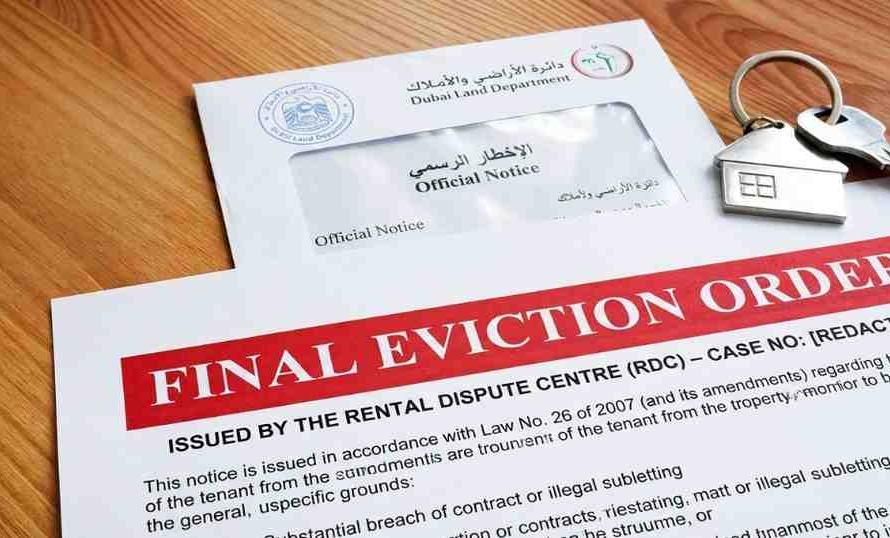




Risks of property transfer in Dubai without a property lawyer often appear after the buyer has signed, paid a deposit, or arranged finance. The title may carry a mortgage, the seller may lack authority, or the contract may allocate default risk unfairly.
A transfer can also stall because an e-NOC, liability letter, corporate approval, power of attorney, or foreign document is missing. These issues matter because they can delay registration, expose money, or trigger a contractual dispute.
Quick Answer
Risks of property transfer in Dubai without a property lawyer are serious. They include an unchecked title, unfavorable deposit terms, a mishandled seller mortgage, an unauthorized signatory, and missed off-plan registration. DLD procedures also require correct identity documents and, in freehold areas, a developer e-NOC. Legal review should happen before Form F or another binding agreement is signed. The outcome depends on the title, contract, finance, parties, approvals, and documents.
About to Sign a Property Transfer in Dubai?
Get a direct title, authority, and mortgage review before you pay a deposit.
The safest solution is a documented review before signature or payment. The review should connect the title, parties, contract, finance, approvals, payment route, and registration sequence.
- Verify the title deed, property details, owner, and disclosed encumbrances through the appropriate DLD process.
- Confirm the seller’s identity, capacity, corporate authority, or valid power of attorney.
- Review price, deposit, finance condition, completion date, default consequences, and refund rights.
- Map any existing mortgage from the liability letter through release and final transfer.
- Confirm the developer e-NOC, service-charge position, and any other required approval.
- Check interim registration for an off-plan unit before relying on a sale or transfer.
- State who pays each DLD, trustee, developer, bank, broker, and document-related charge.
Risks Of Property Transfer In Dubai Without A Property Lawyer
Dubai property registration is document-driven. A commercial understanding between buyer and seller does not replace the title and registration steps required by the competent authority.
The DLD’s sale-registration service lists identity documents for individual parties. Non-resident foreign parties may use valid passports, while the precise package depends on their status and transaction.
For freehold areas, the service also identifies an electronic no-objection certificate from the developer through Dubai REST. A missing or expired approval can prevent the planned appointment from completing.
Risk One: Title and Encumbrances Are Not Properly Checked
A title deed should be matched against the property, owner, and proposed transaction. Names, unit details, shares, use, and other registered information must be consistent.
An existing mortgage cannot be treated as a private promise to pay later. The parties need a controlled mechanism that connects the bank’s liability figure, payment, release, and transfer.
Risk Two: The Deposit Terms Create An Unexpected Loss
Dubai resale transactions commonly use a standard sale contract, often called Form F. The signed wording, addenda, and surrounding documents determine the parties’ obligations.
A deposit of ten percent is common in market practice, but it is not automatically a fixed statutory penalty in every failed transfer. The result depends on the contract, breach, evidence, and applicable remedy.
The contract should identify who holds the deposit, when it may be presented or released, and what happens if finance, valuation, NOC, or mortgage steps fail.
Default language should distinguish buyer breach, seller breach, external delay, and conditions that were never satisfied. Vague provisions can turn a registration problem into a deposit dispute.
Risk Three: Finance And Mortgage Sequencing Breaks Down
A financed buyer must align loan approval, valuation, bank conditions, manager’s cheques, and registration timing. An approval in principle is not the same as final funding.
The contract should address what happens if valuation is lower than expected or final finance is refused. Without a clear condition, the buyer may still face a completion obligation.
Where the seller’s property is mortgaged, the DLD’s dedicated process calls for a liability letter from the bank or developer. Payments may need to be distributed among the secured creditor, seller, and DLD.
The release letter, mortgage discharge, sale, and any buyer mortgage must follow the approved sequence. Informal payment to the seller does not itself remove the registered mortgage.
Risk Four: Developer Approvals And Charges Are Missed
The developer e-NOC is a central completion document for relevant freehold transactions. The developer may require service charges and other properly due amounts to be addressed before issuing it.
The parties should state who obtains the e-NOC, who supplies the required information, and what happens if issuance is delayed. They should also allocate the related fee.
Service-charge statements need a clear cutoff date. Buyer and seller should agree how periodic charges, deposits, or adjustments are handled at completion.
Risk Five: The Signatory Has No Valid Authority
The registered owner must sign personally or through a legally sufficient representative. A buyer should not accept a relative, employee, broker, or informal manager as authorized without documents.
A power of attorney should be checked for identity, scope, form, validity, and transaction authority. Foreign instruments may require legalization, attestation, and Arabic legal translation.
Company-owned property requires additional care. Constitutional documents, trade-license information, authorized signatory records, resolutions, and beneficial ownership details may be relevant.
Risk Six: An Off-Plan Transfer Is Not Properly Registered
Article 3(1) of Dubai Law No. 13 of 2008 requires off-plan dispositions to be entered in the Interim Real Property Register. A sale or other legal disposition is void unless registered there.
Article 6 permits registered off-plan units to be sold, mortgaged, or otherwise legally disposed of, subject to the applicable framework. The registration status is therefore fundamental, not administrative detail.
An off-plan review should confirm the developer, project, unit, interim registration, payment status, sale agreement, assignment conditions, and any developer approval.
Buyers should also verify the approved payment route and relevant escrow information. Payment to an individual or unverified account creates an avoidable recovery risk.
Risk Seven: Payment Is Released Without Registration Control
The parties should not improvise payment instructions on completion day. The contract and closing statement should identify every recipient and the purpose of each amount.
For an ordinary sale, the DLD service states a registration fee of two percent for the seller and two percent for the buyer. Additional title, map, and trustee fees may apply.
Bank details and changed payment instructions should be verified through an independent channel. Property transactions are attractive targets for email compromise and impersonation fraud.
Family and Gift Transfers Need Separate Treatment
A family transfer is not simply a sale at a lower price. The correct route depends on the relationship, ownership, consideration, and the parties’ objective.
The DLD gift-registration service recognizes specified first-degree relationships, including transfers involving parents, spouses, and children. Documentary proof of the relationship is required.
Marriage or birth documents issued abroad may need attestation and legal translation. A power of attorney is required where an authorized representative acts for a party.
The published gift-registration fee is 0.125 percent of the property’s valuation, subject to a minimum of AED 2,000. Additional trustee, title, map, or related fees may apply.
Practical Steps Before Signing and Transfer
- Obtain current identification and ownership documents from every party.
- Match the title, unit, price, share, and party names across all documents.
- Request mortgage, service charge, developer, and finance information early.
- Review Form F, addenda, reservation forms, and side communications together.
- Make every condition measurable and give it a deadline and consequence.
- Prepare a written closing statement showing all payments and fees.
- Reconfirm cheque wording and original documents before the appointment.
- Complete registration through the appropriate DLD or trustee process.
- Collect the new title, receipts, keys, access items, and closing records.
Evidence And Documents Needed
- Title deed, property map, unit details, and available status information.
- Emirates IDs or valid passports, depending on the parties’ status.
- Form F, signed addenda, reservation documents, and broker communications.
- Developer e-NOC and service-charge statements for the relevant property.
- Mortgage liability letter, release requirements, and finance approvals.
- Company documents, resolutions, and authorized-signatory evidence where applicable.
- Powers of attorney, attestations, legal translations, and relationship proof.
- Payment instructions, manager’s cheque copies, receipts, and closing statement.
- Off-plan sale agreement, interim-registration evidence, and developer consent.
Common Mistakes and Risks
- Signing before title, authority, finance, and mortgage review is complete.
- Treating a common deposit percentage as an automatic legal outcome.
- Relying on oral promises that do not appear in Form F or an addendum.
- Paying a seller directly without an approved mortgage-release sequence.
- Using an expired e-NOC, liability letter, cheque, or power of attorney.
- Assuming a family transfer automatically qualifies for reduced gift fees.
- Accepting changed bank instructions without independent verification.
- Ignoring interim registration when buying or assigning off-plan property.
- Arriving at the trustee center without originals or the correct payees.
A Ten Percent Deposit Is Not Automatic
What you actually recover depends on the signed contract, not market assumptions.
How A Lawyer Can Help
A property lawyer can identify title and authority gaps, revise the sale terms, protect conditional finance, and coordinate mortgage release and closing documents.
Counsel can also review off-plan registration, assignment restrictions, corporate approvals, powers of attorney, foreign documents, and the proposed payment route.
Buying, selling, or transferring property in Dubai? Faris Raian and the team at Leaders Advocates can assess the specific title, contract, finance, approvals, and documents.
The lawyer does not replace DLD, the trustee, developer, lender, broker, or valuer. The role is to connect their requirements in a legally controlled transaction.
One Missed Approval Can Stall Your Transfer
Faris Raian and the team at Leaders Advocates can check the title, e-NOC, and payment route before completion.
Relevant Legal Services
- real estate lawyer services in Dubai for sale contracts, title issues, mortgage coordination, registration, and property disputes.
- real estate due diligence services in Dubai for title, seller, developer, off-plan, escrow, and document checks before commitment.
- contract lawyer services in Dubai for Form F, addenda, deposit protection, finance conditions, default clauses, and completion terms.
Relevant Success Story
Readers may review the firm’s relevant Success Stories to see how legal strategies are presented in practice. A past outcome does not guarantee a similar result. Every matter depends on its facts, documents, evidence, parties, and legal circumstances.
Buying Off-Plan or From a Mortgaged Seller?
Get the registration and release sequence checked before money moves.
Frequently Asked Questions
Final Takeaway
The main legal point is that a Dubai property transfer depends on valid title, authority, contract terms, approvals, payment control, and correct registration.
The safest next step is legal review before signature or deposit payment. Every outcome depends on the property, parties, finance, facts, and complete documents.
Ready for a Documented Review?
Contact Leaders Advocates today to discuss your transaction with experienced counsel.