Quick Answer
Domestic debt collection in Dubai depends on the type of debt. A cheque returned for lack of funds, or a closed account, can go straight to execution under Article 667 of the Commercial Transactions Law.
A fixed, due, and documented debt may qualify for a payment order under Articles 143 to 150 of the Civil Procedure Law. A written demand must first give at least five days to pay.
Disputed claims go through the Centre for Amicable Settlement of Disputes where its mandatory jurisdiction applies, or to the Dubai Courts. Tenancy debts go to the Rental Disputes Centre.
Enforcement measures such as attachments and travel bans need a court order and are never automatic.
About the Legal Contributor
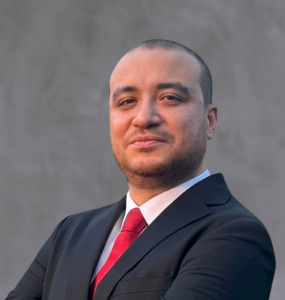
Faris Raian is a Founder Partner at Leaders Advocates.
His work includes UAE debt recovery, civil litigation, settlement strategy, and judgment enforcement.
In a domestic collection matter, he first identifies the debtor, the evidence, the correct procedure, and the assets that may support recovery.
That review helps the creditor choose a route that fits both the legal claim and the commercial objective.
Overview
When both creditor and debtor are in the UAE, collection should be simpler than chasing someone abroad. Often it is. But domestic debt collection in Dubai still fails when the creditor uses a one-size approach.
A bounced cheque, an unpaid invoice, a personal loan to a friend and rent arrears each have their own fastest path, and picking the wrong one wastes months.
So how does domestic debt collection in Dubai work?
Match the debt to its legal route. Use direct execution for qualifying cheques and payment orders for documented debts. Disputed amounts may require conciliation or an ordinary claim. Tenancy debts go to the Rental Disputes Centre.
Matching the Debt to the Route
- Cheque returned for lack of funds or closed account: Execution application under Article 667
- Invoice or supply debt the client has acknowledged: Payment order after a five-day demand
- Disputed commercial claim: Conciliation where mandatory, otherwise a Dubai Courts claim
- Personal loan between individuals: Payment order if documented, otherwise an ordinary claim
- Rent arrears: Dubai Rental Disputes Centre
- Contract with an arbitration or DIFC clause: The forum named in the contract
Business Debts
Collecting business debts in the UAE works best when the paperwork is in order: signed contracts, purchase orders, delivery confirmations and statements of account. A creditor who can show the debtor acknowledged the balance, even by email, is well placed to use the payment order route.
Claims between merchants on commercial obligations are generally time-barred five years after the payment fell due if the debtor denies the claim, so older invoices need attention.
Trying to Recover a Debt in Dubai?
Whether the debt involves an unpaid invoice, personal loan, cheque, or commercial agreement, Leaders Advocates can review the debtor, evidence, outstanding balance, and appropriate recovery route.
Personal Loans Between Individuals
Friends and relatives often lend money without a contract. Recovery then depends on evidence, such as bank transfers, messages acknowledging the loan and any repayment history. The Evidence Law (Federal Decree-Law No. 35 of 2022) recognizes electronic evidence, subject to authenticity.
It also restricts the use of witness testimony alone to prove civil obligations above AED 50,000, so written or electronic proof matters for larger loans.
Cheques
Post-dated cheques remain common security in Dubai. Where a cheque is returned for lack of or insufficient funds, the holder can apply directly to the execution judge. A 2023 unification principle treats account closure the same way.
Cheques returned for other reasons, such as a signature mismatch, usually need a payment order or claim on the underlying debt.
Faris Raian, Managing Partner at Leaders Advocates, said creditors often lose time by choosing the wrong route. They may file a full lawsuit for a debt that qualifies for a faster process. They may also use a fast route for a clearly disputed debt.
He explained that a short document review usually shows which path will hold. That choice often matters more than the speed of the first filing.
Rent Arrears
Unpaid rent recovery in Dubai runs through the Rental Disputes Centre, which hears disputes arising from tenancy relationships. The tenancy contract, Ejari registration, payment records and any notices are the core evidence. Bounced rent cheques may also qualify as executive instruments where they were returned for lack of funds.
Conciliation and Settlement
Dubai Law No. 18 of 2021, as amended by Dubai Law No. 9 of 2025, requires certain disputes to pass through the Centre for Amicable Settlement of Disputes before court. Settlements reached through that process can be given enforceable status.
For debt recovery in Dubai, this stage often produces a structured payment plan that the creditor can enforce if the debtor defaults.
Enforcement After Success
A judgment or enforceable settlement is enforced through the execution judge. Measures can include attachment of bank accounts, property, vehicles, shares, and salary within legal limits. A travel ban may be available when the debt is at least AED 10,000 and Articles 324 to 327 are satisfied.
Common Mistakes
- Using one approach for every type of debt.
- Lending money without any written or electronic record.
- Skipping the formal demand needed for a payment order.
- Filing a tenancy debt in the wrong forum.
- Letting commercial debts approach the limitation period.
Build a Collection File by Debt Type
Start with the legal debtor and the transaction that created the balance. Keep company licenses, contracts, invoices, delivery records, transfers, and acknowledgments together.
Create a current statement of account. Show the principal, credits, payments, and the final amount claimed.
Separate a cheque, guarantee, or security document from the underlying debt. Each may support a different procedure or defense.
Confirm the Debtor’s Legal Identity
Use the legal name shown on the license, contract, or identity document. A trade name or informal description may identify the wrong party.
Separate company liability from any personal guarantee. A manager, shareholder, spouse, or related entity is not automatically responsible for the balance.
Record the debtor’s current UAE address and any contractual notice address. Correct identity and service details reduce avoidable procedural disputes.
Confirm the Amount and Due Date
Match every claimed amount to a document. A payment-order file should not contain a calculation that still needs a full dispute to resolve.
Check whether the debtor raises defective performance, setoff, return of goods, or an uncredited payment. Preserve the records needed to answer that position.
Record the due date and any contractual notice requirement. An early procedural review can prevent a filing based on the wrong deadline.
Prepare the Written Demand
State the parties, agreement, amount, due date, and payment method. Give the deadline required for the intended route.
Send the demand to the contractual and current addresses where appropriate. Keep proof of delivery and the debtor’s response.
Do not threaten criminal action or public exposure when the facts do not support it. A professional demand should preserve the claim and invite a documented solution.
Use Settlement as an Enforceable Step
A settlement should state the admitted balance, installment dates, security, costs, default consequences, and effect on existing proceedings.
Do not release guarantees or withdraw a case before the agreed condition is completed. Link each release to cleared payment.
Record partial payments accurately. State whether a payment reduces the balance or settles a defined part of the dispute.
Plan Enforcement Before Judgment
Ask what assets or income may exist in the UAE. Available information can shape the commercial value of the claim.
Use only lawful information and court procedures. Attachment, salary deductions, and travel restrictions require the proper legal conditions and an order.
Budget for execution as a separate stage. Winning the claim does not collect the money without follow-through.
Have a Bounced Cheque or Documented Unpaid Debt?
Different debts require different procedures. Leaders Advocates can assess whether your documents support cheque execution, a payment order, or another UAE debt recovery route. :contentReference[oaicite:0]{index=0}
Manage Cheque Evidence Carefully
Protect the original cheque and the bank return record. Read the stated return reason before choosing direct execution.
Calculate the unpaid amount, any partial payment, and the underlying transaction. Avoid claiming the same amount twice through overlapping files.
Keep cheque execution and any separate criminal allegation distinct. Each route has its own legal test.
Control Cost and Case Management
Ask for a staged scope covering demand, settlement, filing, appeal, and execution. Compare the likely cost with the balance and recovery prospects.
Keep one chronology, one document index, and one live balance calculation. Update them after every payment or procedural step.
The creditor should understand why each next step is legally available and commercially proportionate.
Related Success Story
Leaders Advocates publishes a debt recovery matter involving a successful loan recovery in Dubai. Review the Leaders Advocates Success Stories page for the available summary.
That matter involved its own documents, parties, and asset position. It does not guarantee the result of another collection file.
Final Takeaway
Domestic collection succeeds when the creditor matches the debt to the correct route. Cheques, invoices, loans, rent, and disputed claims should not be treated alike.
Prepare the evidence, demand, settlement position, and enforcement plan before filing. That work reduces avoidable delay and cost.
Relevant Legal Services
- Debt Recovery Lawyers in Dubai – for legal demands, settlement, payment claims, and recovery planning.
- Litigation Lawyer in Dubai – for payment orders, civil claims, objections, appeals, and execution.
- Civil Lawyers in Dubai – for personal loans, invoices, guarantees, and other monetary disputes.
Frequently Asked Questions
Need to Turn an Unpaid Debt Into an Enforceable Recovery?
Faris Raian and the Leaders Advocates team can review settlement, conciliation, litigation, and execution options while considering the debtor’s identity, available evidence, and potential UAE assets.