Quick Answer
A debt dispute lawyer in the UAE advises creditors on recovering money and debtors on defending or settling claims. Most onshore disputes are decided under Federal Decree-Law No. 42 of 2022 (the Civil Procedure Law), which offers ordinary claims, a faster payment order procedure for documented debts (Articles 143 to 150) and an execution stage for enforcing judgments.
Contracts may point instead to arbitration or to the DIFC or ADGM Courts, and in Dubai some disputes must first pass through the conciliation process under Dubai Law No. 18 of 2021, as amended. Non-payment of an ordinary debt is generally a civil matter rather than a crime.
About the Legal Contributor
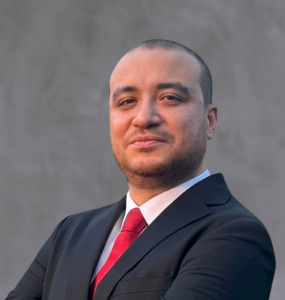
Faris Raian is a Founder Partner at Leaders Advocates.
His work includes UAE commercial disputes, contract claims, and enforcement strategy.
In a debt dispute, he starts with the legal basis, account reconciliation, written admissions, forum, and procedural stage. That review shows whether the case needs a demand, payment order, defense, settlement, or execution step.
Overview
Debt disputes in the UAE come from both directions. A business chases an unpaid supplier invoice. An individual receives a claim for money they believe they do not owe. In both cases, a debt dispute lawyer in the UAE is there to pick the right forum, test the evidence and keep procedural deadlines from quietly deciding the outcome.
So when should you hire a debt dispute lawyer in the UAE?
As soon as a formal demand, legal notice, payment order or court filing is on the table, or earlier if the amount is significant and the other side has stopped engaging.
What a Debt Dispute Lawyer Does for Each Side
- Assesses the evidence of the debt and whether it is due: Checks whether the debt, amount and charges are correct.
- Sends a formal demand and chooses the forum: Responds to demands and raises defenses early.
- Applies for payment orders or files a claim: Challenges payment orders or claims where grounds exist.
- Requests precautionary measures where justified: Opposes unjustified attachments or travel bans.
- Enforces the judgment through execution: Negotiates structured settlements.
Facing a Debt Dispute in the UAE?
Whether you are trying to recover an unpaid debt or defending a disputed claim, Leaders Advocates can review the contract, account history, payment evidence, forum, and procedural stage to identify the appropriate next step.
Choosing the Right Forum
Much of a debt dispute is won or lost at the start, when the forum is chosen. Debt claims in UAE courts are only one of the options, which include:
- Onshore courts: Dubai Courts, Abu Dhabi Judicial Department or the federal courts, depending on the emirate.
- Dubai’s Centre for Amicable Settlement of Disputes: some Dubai claims must be referred for conciliation before court, under Dubai Law No. 18 of 2021 as amended by Dubai Law No. 9 of 2025 and the Centre’s jurisdiction decisions.
- DIFC or ADGM Courts: where the parties or the contract bring the dispute within those jurisdictions.
- Arbitration: where the contract contains a valid arbitration clause, which the respondent may rely on to object to court proceedings.
Filing in the wrong forum can lead to dismissal and lost time, particularly where a limitation period is running.
The Payment Order Shortcut
For a debt that is fixed, due and evidenced in writing or electronically, the payment order procedure lets a creditor ask a judge for an order without a full trial. The creditor must first send a demand giving the debtor at least five days to pay.
The judge decides the application within a short statutory window, and the debtor can challenge the order through the procedure the law provides.
Dishonored cheques follow their own path. Under Article 667 of Federal Decree-Law No. 50 of 2022 (the Commercial Transactions Law), a cheque returned for insufficient funds is an executive instrument that can go straight to execution.
Time Limits Both Sides Should Know
Limitation periods vary by claim type. Claims between merchants arising from commercial obligations generally become unenforceable five years after the obligation fell due, under the Commercial Transactions Law, if the debtor denies the claim and raises the defense.
Civil claims are governed by the Civil Transactions Law, now Federal Decree-Law No. 25 of 2025, which replaced the 1985 Civil Code on 1 June 2026. Obligations arising before that date may still be governed by the earlier law under the transitional rules.
A lawyer should confirm the correct period for your claim rather than rely on a general figure.
Is Non-Payment a Crime in the UAE?
Generally, no. Being unable to pay an ordinary debt is a civil issue. Criminal exposure arises from specific conduct, such as fraud under Article 451 of the Penal Code (Federal Decree-Law No. 31 of 2021) or bad-faith cheque conduct under Article 675 of the Commercial Transactions Law.
Travel bans and attachments are not automatic. They require a court order.
How to Choose a Debt Dispute Lawyer in the UAE
- Confirm the debt litigation lawyer you instruct handles your side of the dispute regularly, whether creditor or debtor.
- Ask how they would approach forum selection for your contract.
- Expect a candid view of the evidence, including weaknesses.
- Ask about enforcement: a judgment has value only if it can be collected.
- Agree fees and likely costs in writing before work begins.
Common Mistakes
- Ignoring a legal notice or payment demand.
- Starting court proceedings when the contract requires arbitration.
- Relying on verbal agreements without written confirmation.
- Assuming a limitation period has not started.
- Paying part of a disputed sum without documenting the terms.
Define the Dispute Before Choosing a Procedure
Start with one question: what exactly is disputed? The answer may be liability, the balance, payment timing, interest, fees, authority, delivery, or performance.
Separate the undisputed amount from the contested amount. A debtor should not reject an entire account when only one invoice or charge is wrong.
Create a short chronology. Include the contract date, performance, invoices, acknowledgments, payments, demand, and every court or arbitration document.
Build the Creditor’s Evidence File
A creditor should collect the signed contract, purchase orders, invoices, delivery records, statements, payment history, and communications.
Electronic acknowledgments can matter. Preserve emails, approved account statements, and messages in their original form.
Confirm the debtor’s exact legal name. A trade name, branch, manager, shareholder, and incorporated company are not automatically the same defendant.
Build the Debtor’s Defense File
A debtor should reconcile every figure and record each payment. Identify missing credits, duplicate invoices, unapproved work, defects, and disputed charges.
If the debt arose from incomplete performance, preserve notices, inspection records, photographs, and attempts to obtain correction.
Avoid a broad acknowledgment before review. A new signed balance confirmation can narrow defenses or affect a limitation argument.
Check the Contractual Forum
Read the jurisdiction, arbitration, governing-law, notice, and service clauses together. One clause should not be interpreted in isolation.
The correct forum may be an onshore court, DIFC Courts, ADGM Courts, or arbitration. Dubai conciliation may also apply to matters within its current jurisdiction.
Filing in the wrong place costs time. It can also create a limitation problem while the parties argue about jurisdiction.
Test the Payment Order Route
A payment order is designed for a fixed and due debt supported by written or electronic evidence. The statutory demand must give at least five days to pay.
The file should show how the amount was calculated. If liability or performance needs a full factual trial, an ordinary claim may be more suitable.
The debtor must react quickly to an order or related filing. The available challenge and deadline depend on the procedure and service.
Treat Cheques as a Separate Layer
A cheque may support direct execution where Article 667 applies. The underlying transaction still matters for other returns, defenses, and related claims.
Keep the original cheque and formal bank return record. Reconcile any partial payment before stating the balance.
Do not describe every dishonored cheque as criminal. Criminal liability depends on specific conduct defined by law.
Consider Protective Measures Carefully
A creditor may ask for precautionary attachment or another protective order where the legal conditions are met. The request needs evidence and proportionality.
A travel restriction is not automatic because a debt exists. It requires an order from the competent authority under the applicable rules.
A debtor can oppose an unsupported measure. The response should address the legal test, amount, evidence, and risk alleged by the creditor.
Use Settlement to Resolve the Whole File
Settlement can happen before or after filing. The agreement should state the recognized balance, payment dates, security, costs, and default consequences.
It should also address pending cases, execution files, cheques, guarantees, releases, and confidentiality. A private payment alone may not close a court file.
Tie withdrawal and release steps to actual performance. Each side should know what happens after the first payment and after the final payment.
Received a Payment Demand or Payment Order?
Payment orders, formal demands, disputed invoices, and court claims can require a prompt response. Leaders Advocates can assess the amount, written evidence, payments, contractual performance, available defenses, and applicable procedure.
Plan for Enforcement Before Filing
A judgment is useful only if the debtor has reachable income or assets. Review the debtor’s legal identity, bank relationships, receivables, vehicles, and property where lawful.
Do not assume every asset belongs to the named debtor. A shareholder’s property is not automatically available for a company debt.
Set a staged budget. Demand, litigation, appeal, and execution can each require separate work and cost.
Related Success Story
Leaders Advocates publishes a Dubai debt recovery matter involving successful loan recovery. See the Leaders Advocates Success Stories page for the available summary.
The outcome depended on that file’s evidence and parties. It does not guarantee another result, but it shows why documentation and enforcement planning matter.
Final Takeaway
A debt dispute lawyer UAE should identify the amount, evidence, forum, deadline, and end goal before recommending action.
Creditors need a path from demand to collection. Debtors need a timely response that preserves genuine defenses and realistic settlement options.
Relevant Legal Services
- Debt Recovery Lawyers in Dubai – for demands, settlement, payment claims, and recovery strategy.
- Litigation Lawyer in Dubai – for payment orders, civil proceedings, challenges, and execution.
- Civil Lawyers in Dubai – for disputes arising from loans, invoices, contracts, and monetary obligations.
Frequently Asked Questions
Need a Strategy for Settlement, Litigation, or Debt Enforcement?
Faris Raian and the Leaders Advocates team can review jurisdiction, arbitration clauses, settlement options, protective measures, and enforcement considerations to build a practical strategy for your debt dispute.