

A business may need a commercial insurance dispute lawyer in Dubai, UAE, after a fire, flood, theft, liability event, interruption, or employee-related claim is delayed, reduced, or declined.
The reason may involve an exclusion, late notice, disclosure, policy condition, causation, valuation, or underinsurance. Early correspondence can shape the dispute before legal proceedings begin.
Quick Answer
A commercial insurance dispute lawyer should begin with the complete policy, schedule, endorsements, proposal form, claim notice, and insurer’s written reasons. Preserve loss evidence and comply with continuing notice and mitigation duties. Use the insurer’s internal complaint process, then confirm Sanadak eligibility and mandatory committee requirements before court action. Review arbitration and appeal deadlines carefully. The outcome depends on policy wording, disclosure, causation, valuation, documents, insured status, complaint eligibility, and procedural timing.
Create a policy-based claim file before challenging the decision. Every response should connect the disputed reason to the wording, facts, and supporting evidence.
- Obtain the final policy, schedule, endorsements, proposal, and renewal documents.
- Preserve the scene, damaged property, accounts, inventory, video, and official reports.
- Notify the insurer in the required form and maintain a communication log.
- Request the exact clause and factual basis for any refusal or reduction.
- Use qualified experts for cause, repair, reinstatement, business interruption, and valuation.
- Complete the insurer’s complaint process before relying on Sanadak.
- Check court, committee, arbitration, and appeal requirements before filing.
Commercial Insurance Dispute Lawyer Dubai, UAE
Commercial insurance disputes start with the contract. Marketing material and a broker’s summary cannot replace the issued policy and endorsements.
The lawyer should identify the insured entity, insured interest, covered event, period, territorial scope, limits, deductibles, conditions, exclusions, and claim procedure.
The schedule may alter standard wording. An endorsement may expand, restrict, or replace a clause, so every document must be read together.
The analysis should then map each element to evidence. The question is not only whether a loss occurred, but whether the policy responds to that loss.
Common Reasons For Declining Or Reducing A Claim
An exclusion may remove a particular cause, asset, activity, location, or category of loss. The insurer should identify the relied-upon wording precisely.
Late notice may be alleged when the insured missed a contractual reporting period or gave incomplete information. The timing, prejudice, wording, and governing law require review.
Non-disclosure or misrepresentation allegations usually focus on the proposal, renewal, or risk presentation. Compare the exact question, answer, material fact, and underwriting evidence.
A breach-of-condition defense may concern alarms, maintenance, inspections, storage, security, occupancy, or risk controls. Determine whether the condition applied and what caused the loss.
Valuation disputes arise when liability is accepted but repair, stock, reinstatement, interruption, depreciation, or replacement figures are challenged.
Underinsurance can reduce payment when the declared sum is below the value at risk and the policy applies an average or proportional clause.
Current UAE Insurance Dispute Framework
The Central Bank rulebook lists Federal Decree-Law No. 48 of 2023 Regulating Insurance Activities as repealed. Current advice should not present that statute as the governing in-force framework.
Federal Decree-Law No. 6 of 2025 addresses the Central Bank, licensed financial institutions, activities, and insurance business. Article 148 governs customer complaints and dispute committees.
Article 148 requires banks and insurance companies to process complaints and give written reasons when a complaint is rejected wholly or partly.
It also establishes an independent unit to receive, hear, adjudicate, and issue binding decisions concerning qualifying complaints. Sanadak performs that role.
Article 148 states that claims arising from insurance contracts, business, and services are not accepted unless presented to the committees formed under that article.
Scope and procedure still require case-specific confirmation. The policyholder’s status, complaint type, pending proceedings, and current Sanadak rules may affect eligibility.
Insurer Declined or Reduced Your Claim?
Message us on WhatsApp, and we will explain what to preserve before you reply to the insurer.
Sanadak Eligibility and Timing
Sanadak’s current eligibility page asks whether the complainant is a natural person, sole proprietor, or small or medium enterprise. A large company should not assume eligibility.
The portal also requires an official complaint to the insurer first. It currently asks whether 15 calendar days have passed without a satisfactory written response.
The complaint should include the policy, claim, insurer decision, internal complaint, response, amount, and evidence. Confirm current portal requirements when filing.
Sanadak may reject matters outside the Central Bank mandate, already settled claims, duplicate complaints, or disputes being handled by a court.
Do not start proceedings before checking the mandatory committee route and rejection criteria. Incorrect sequencing can create an admissibility problem.
Decisions And Appeals Under Article 148
Article 148 provides that committee decisions are final and enforceable against the institution for disputes not exceeding AED 100,000. The institution cannot challenge those decisions.
For disputes exceeding AED 100,000, the decision is not immediately final in the same way. Either side may challenge it before the competent Court of Appeal.
The appeal period is 30 days from issuance or knowledge of the decision, as stated in Article 148. Missing that period can make the challenge inadmissible.
The precise consequence depends on value, party, service, and decision. Obtain advice immediately after the decision instead of waiting for enforcement discussions.
Read the Policy Before Responding
Start with the insuring clause and definitions. Identify the event that triggers cover and whether the claimed loss falls within the defined subject matter.
Then review exclusions, conditions, warranties, deductibles, sublimits, aggregation, reinstatement, and dispute clauses. Do not analyze one clause in isolation.
Check whether the policy requires immediate notice, a proof-of-loss form, specified records, cooperation, preservation, mitigation, or consent before repair.
Compare the proposal and renewal information with the actual risk. If the insurer alleges misrepresentation, request the underwriting relevance and relied-upon documents.
Review the broker’s communications separately. A gap between requested and placed cover may raise a different claim against the broker.
Is Your Business Eligible for Sanadak?
Send the policy and decision letter through our contact page for an eligibility and deadline review.
Building the Evidence File
For property damage, preserve photographs, video, damaged items, maintenance records, asset registers, purchase invoices, and repair quotations.
For stock loss, use inventory systems, purchase records, sales history, counts, disposal records, and independent verification. A spreadsheet without source records may be challenged.
For business interruption, prove the counterfactual trading position. Historic accounts, forecasts, seasonality, orders, capacity, saved expenses, and mitigation all matter.
For liability cover, keep the third-party claim, incident evidence, defense correspondence, settlement requests, and consent issues. Do not admit liability without advice.
Official reports from police, civil defense, regulators, building management, or technical investigators may be important, depending on the event.
Working With Loss Adjusters And Experts
The insurer may appoint a loss adjuster to investigate cause, policy compliance, and amount. The adjuster is not the policyholder’s independent adviser.
Cooperate reasonably and keep a complete copy of everything provided. Correct inaccurate assumptions promptly and in writing with supporting documents.
Before giving a detailed narrative, reconcile it with contemporaneous records. Informal explanations can later be treated as admissions or inconsistencies.
For significant claims, consider an independent adjuster, forensic accountant, engineer, fire investigator, or sector expert. The appointment should address the actual disputed issue.
Expert reports should explain method, sources, assumptions, calculations, and limitations. A conclusory valuation is easier to reject.
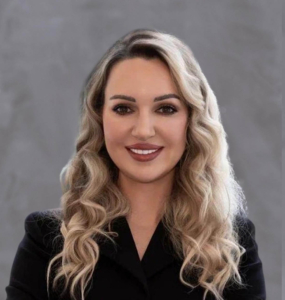
Ekaterina Butseva on Early Claim Handling
Ekaterina Butseva, Founder Partner at Leaders Advocates, observes that businesses often lose ground during the first weeks of an insurance claim.
Informal statements to an adjuster or an overlooked notice condition can define the dispute before counsel reviews the file. She recommends legal review before detailed accounts are submitted.
Adjuster Asking for a Detailed Statement?
Get legal review first. Message us on WhatsApp before you submit anything in writing.
Escalation Strategy
First, submit a focused reconsideration request referring to the policy, evidence, and insurer’s stated reason. Ask for a written decision on every disputed point.
Second, complete the insurer’s formal complaint process and retain proof of submission and response. This is essential for any later Sanadak eligibility analysis.
Third, assess Sanadak under current status, value, eligibility, exclusions, and procedure. Do not rely on a generic assumption that every commercial company qualifies.
Fourth, pursue the competent court, appeal, or arbitration route where required. Review the policy dispute clause and Article 148 before starting.
Settlement may remain possible at every stage. Any release should identify the claim, amount, payment date, covered entities, costs, confidentiality, and preserved rights.
Evidence And Documents Needed
- Policy wording, schedule, endorsements, proposal, renewals, and premium records.
- Claim notice, proof-of-loss documents, insurer decisions, and complaint correspondence.
- Broker advice, risk presentations, quotations, and placement communications.
- Photographs, video, official reports, maintenance logs, and incident records.
- Accounts, inventory, invoices, asset registers, forecasts, and bank documents.
- Repair, replacement, reinstatement, and mitigation quotations or invoices.
- Loss-adjuster requests, meeting notes, reports, and supplied documents.
- Expert reports on cause, valuation, interruption, engineering, or liability.
Common Mistakes And Risks
- Relying on the broker’s summary instead of the issued policy.
- Notifying late or through a method the policy does not recognize.
- Giving broad informal statements before checking records.
- Repairing, disposing of, or altering evidence without documentation or consent.
- Claiming stock or interruption loss without source records.
- Accepting a partial payment marked full and final without review.
- Assuming every commercial entity qualifies for Sanadak.
- Missing the 30-day appeal period stated in Article 148.
How An Insurance Dispute Lawyer Can Help
Counsel can interpret the policy, challenge exclusions, manage notice, organize evidence, coordinate experts, assess Sanadak, negotiate settlement, and conduct proceedings or appeals.
An insurer has declined or reduced a commercial claim? Ekaterina Butseva and the team at Leaders Advocates can assess the policy, claim file, loss, complaint route, and deadlines.
Need Help Challenging an Exclusion?
Speak with Ekaterina Butseva and the Leaders Advocates team about your policy wording and evidence.
Relevant Legal Services
- civil lawyer services in Dubai for insurance contract disputes, compensation, experts, court proceedings, and enforcement.
- contract lawyer services in Dubai for policy wording, exclusions, conditions, disclosure, notices, settlement releases, and broker agreements.
- litigation lawyer services in Dubai for committee decisions, appeals, commercial claims, arbitration support, judgments, and execution.
Relevant Success Story
Readers may review the firm’s relevant Success Stories to see how legal strategies are presented in practice. A past outcome does not guarantee a similar result. Every matter depends on its facts, documents, evidence, parties, and legal circumstances.
Frequently Asked Questions
Final Takeaway
The main legal point is that a commercial insurance dispute turns on policy wording, evidence, complaint eligibility, and strict procedural timing.
The safest next step is immediate review before detailed adjuster submissions or settlement. Every result depends on the policy, disclosure, causation, valuation, documents, and current route.
Follow Leaders Advocates on LinkedIn or Leaders Advocates on Facebook for more UAE legal updates.
Do Not Miss the 30-Day Appeal Period
Message Leaders Advocates on WhatsApp now for a confidential review of your claim file.