



Preserve The Claim Before The Vessel Leaves
Many shipping disputes in Dubai fall under the UAE Maritime Law. The right response depends on the claim, contract, evidence, and available assets. A court may arrest a vessel for a qualifying maritime debt. This means legally preventing departure to secure the claim. Short filing periods can apply after arrest and to the underlying dispute. Preserve shipping records immediately. Ask counsel to check the court’s authority and deadlines before relying on negotiations or an informal promise of payment.
Identify The Debt And Secure The Shipping Records
Start with a claim chronology that identifies the vessel, voyage, parties, and disputed amount. Distinguish unpaid freight from cargo damage or a charter dispute.
Take these steps promptly:
- Preserve the signed contract and incorporated terms.
- Save bills of lading and delivery records.
- Record the vessel’s identity and known port location.
- Notify insurers where the policy requires it.
- Arrange a cargo survey when appropriate.
- Check contractual notices and statutory filing periods.
A bill of lading records receipt and carriage of goods and may also control delivery rights. Its reverse-side terms can affect the claim.
Do not assume that a freight forwarder, shipowner, carrier, and port operator are the same legal entity. Identify each role from the documents.
Is A Vessel Departure Putting Your Claim At Risk?
Contact Leaders Advocates with the vessel details, current port, expected departure, and shipping documents to discuss whether urgent legal measures may be available.
The Law Governing Shipping Disputes In Dubai
The principal federal source is the official Maritime Law, Federal Decree-Law No. 43 of 2023.
Article 2 addresses seagoing ships and other maritime means used in freight forwarding and maritime navigation. Application must respect treaties the UAE has ratified.
The Commercial Transactions Law fills matters left unaddressed by the Maritime Law, as Article 2 provides. The contract terms remain important within the applicable legal framework.
A charterparty is an agreement to hire or use a vessel. The hiring party is called the charterer. Its dispute clause may select arbitration or a court outside the UAE.
The location of security and the court or tribunal deciding liability can differ. Counsel should consider both before choosing the first application.
Which Debts Can Support Vessel Arrest
Article 53 lists qualifying maritime debts. These are specified shipping-related claims that may support prejudgment attachment, commonly called ship arrest.
The listed categories include:
- Cargo loss or damage and agreements for carriage.
- Agreements for the use of a vessel.
- Fuel, equipment, containers, and operating services.
- Towage, pilotage, and port or canal fees.
- Shipbuilding, rebuilding, repair, and conversion.
- Captain and crew pay, including repatriation costs.
- Collision damage, death, and personal injury.
- Salvage, environmental damage, and wreck removal.
- Ownership, possession, co-ownership, mortgages, and vessel sale disputes.
Towage means moving a vessel with a tug. Pilotage means specialist navigational assistance. Salvage concerns assistance to property in maritime danger.
Article 53 also includes general average. This means extraordinary sacrifices or costs shared to protect a maritime venture.
A maritime mortgage provides security over a vessel for a debt. A shipping-related invoice is not enough by itself. The claim must fit the statutory category and the requirements for arresting the selected vessel.
Choose The Correct Vessel And Provide Security
Article 54 can permit arrest of the vessel concerned or another vessel the debtor owns when the application is made. Ownership evidence therefore matters.
For specified ownership, possession, co-owner, mortgage, and vessel sale claims, an unrelated vessel cannot be attached under that provision.
Article 55 separately addresses a charterer who operates the vessel and alone owes the debt. In qualifying cases, arrest may concern that vessel or another owned by the charterer.
It does not permit arrest of the shipowner’s other vessels merely because the charterer owes the money.
Article 56 requires an accepted financial guarantee for the security and safety needs of the vessel and crew during attachment.
Under Article 58, copies of the attachment report go to the agent or captain, port authority, and Ministry. Counsel should manage service and supporting documents carefully.
Diary The Arrest Deadlines Immediately
Article 59 requires the applicant to file the arrest validity case within five working days from attachment. Otherwise, the attachment becomes null and void.
This filing protects the attachment’s validity. It should not be confused with every separate step needed to determine the underlying debt.
The same article provides:
- A hearing date within fifteen days following the attachment report.
- A fifteen-day period to appeal the judgment under ordinary appeal procedures.
- An appeal decision within one week from completion of the statement of appeal, subject to the article’s hearing provision.
Enforcement attachment is a different stage used to enforce payment. Article 61 requires at least twenty-four hours after formal payment notice served by a bailiff.
A bailiff is the official responsible for serving or enforcing court process. Article 63 sets the sale-judgment hearing no later than fifteen days from enforcement attachment.
Give counsel the exact report and service dates. Do not substitute calendar days for working days where the law specifies otherwise.
Has A Vessel Already Been Arrested?
Share the attachment report and service dates with Leaders Advocates promptly. Discuss the validity filing, underlying claim, and any release or appeal steps before a deadline passes.
Check The Time Limit For The Underlying Claim
A time bar can prevent a claim from being heard after the applicable period. The relevant starting event varies with the claim.
The original law provides several distinct periods:
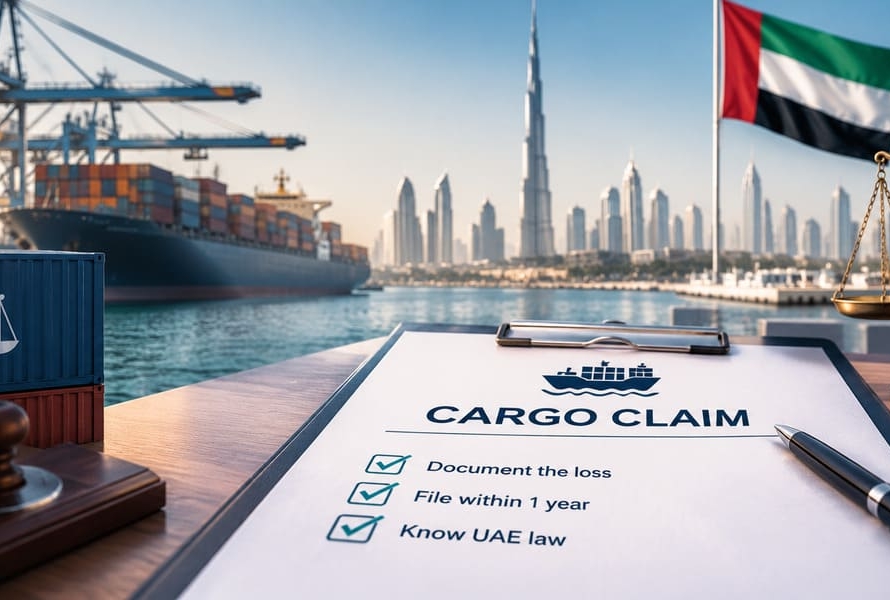
- Shipbuilding, maintenance, or repair hidden defects: one year from discovery or two years from takeover, whichever is later, under Article 11.
- Seafarer employment: one year from contract expiry under Article 106.
- Towage liability: one year from completion of towing under Article 109.
- Pilotage liability: one year from completion of pilotage under Article 115.
- Charterparty claims: one year from charter expiry under Article 136.
- Recovery of unlawfully paid sums within Article 136’s scope: one year from learning of the recovery right.
These provisions address denial of the claim. Except for the Article 11 rule, the listed provisions also refer to absence of a legally admissible excuse.
The hidden-defect rule can apply despite takeover without reservations. Other maritime claims may have different periods. Do not apply this list as a universal cargo deadline.
Courts And Arbitration Require Separate Analysis
Jurisdiction means the authority to decide a dispute. Article 60 identifies circumstances giving the arrest court authority over the underlying claim, including foreign-flag vessels.
In addition to Civil Procedure Law grounds, these include:
- The claimant’s habitual residence or headquarters in the UAE.
- A maritime debt arising in the UAE.
- A debt arising during the voyage in which attachment occurs.
- A debt resulting from collision or salvage.
- A maritime mortgage securing the debt on the attached vessel.
Article 60 preserves agreements to arbitrate. Arrest alone does not give a UAE court unrestricted authority over every shipping dispute.
Article 4 addresses ratified conciliation reports. Conciliation means negotiating an agreed resolution with assistance. Proper ratification gives the report binding judgment-like effect before State courts.
Article 105 gives State courts jurisdiction over seafarer employment claims unless otherwise agreed when the contract is concluded.
Release Security And Limits On Liability
Under Article 57, sufficient release security can lift attachment, subject to the law’s exceptions. Accepted guarantees may include those from financial institutions or protection and indemnity clubs.
Protection and indemnity clubs provide specified shipowner liability cover. Their guarantee still requires court acceptance.
Ownership, possession, and co-owner disputes have a separate exception. The court may permit operation of the vessel against security rather than simply releasing the attachment.
Seeking release or providing security does not admit the debt. Liability and the adequacy of security remain separate questions.
A ship’s husband means the person operating the vessel for their own account as owner, charterer, or co-owner manager. Article 1 presumes the owner fills that role unless proved otherwise.
Article 80 permits limitation for listed death, injury, property damage, and delay claims. Invoking it is not an admission of liability.
Article 81 excludes specified matters, including personal fault, salvage, general average, crew rights, and nuclear damage. Do not assume a limitation automatically applies.
Under Article 85, the operator may seek a compensation fund for multiple debts from one casualty. The specified court then controls related claims and attachment or enforcement measures.
Measure Loading Delay From The Right Starting Point
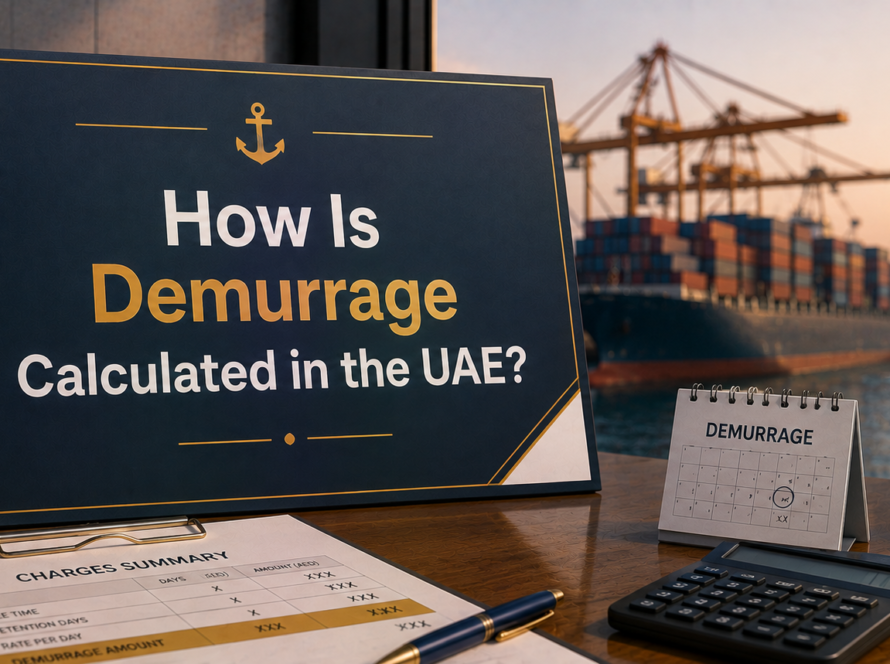
Laytime is the allowed loading or unloading period. Demurrage commonly describes payment for exceeding that allowance, subject to the contract and applicable law.
Article 144 first uses the agreed period, then relevant port custom or maritime norms. It provides an initial extra period no longer than the original allowance.
Compensation for that period follows the agreement or custom. A second extra period can follow, also capped by the initial allowance.
The second-period rate is one and a half times the first rate. Other compensation may remain available under the provision.
Article 145 starts loading or unloading time on the day after the captain gives readiness notice. Review the full contract and statutory exceptions before calculating a demand.
Preserve readiness notices, port logs, weather records, and signed statements of events. A statement of events records the timing of vessel and cargo operations.
Facing A Cargo, Freight Or Charterparty Dispute?
Looking for the best advocates in Dubai for your shipping dispute? Discuss the contract, cargo records, outstanding amount, and available security with Leaders Advocates.
Coordinate Legal Review With The Commercial Team
Counsel should assess the security strategy alongside liability and recoverable loss. A technically strong claim may still face collection problems.
Our maritime lawyers in Dubai can review the debt and urgent vessel measures.
Our arbitration lawyers in Dubai can assess charterparty and carriage dispute clauses.
For contested commercial debt proceedings, consider our commercial litigation lawyers in Dubai.
Send the contract, vessel details, and key dates through WhatsApp for document triage. Flag an expected departure or active attachment immediately.
More On Cargo Documents And Maritime Recovery
For cargo evidence, see how to handle UAE cargo claims.
For the carriage document itself, read what a bill of lading means under UAE law.
For overseas parties and vessel security, see international maritime debt recovery through UAE courts.
Questions Raised By Cargo And Vessel Claims
Check Departure And Filing Dates Together
Protect the filing deadline while assessing whether vessel security is available. Keep the arrest validity case separate from the underlying claim’s time bar.
Use Contact Us to arrange review of the shipping documents and urgent dates. Negotiations should proceed with a clear plan for preserving legal rights.
Discuss Your Shipping Dispute With Leaders Advocates
Searching for the best advocates in Dubai for a shipping claim? Message Leaders Advocates to discuss vessel security, cargo evidence, contractual rights, and the deadlines affecting your next step.