


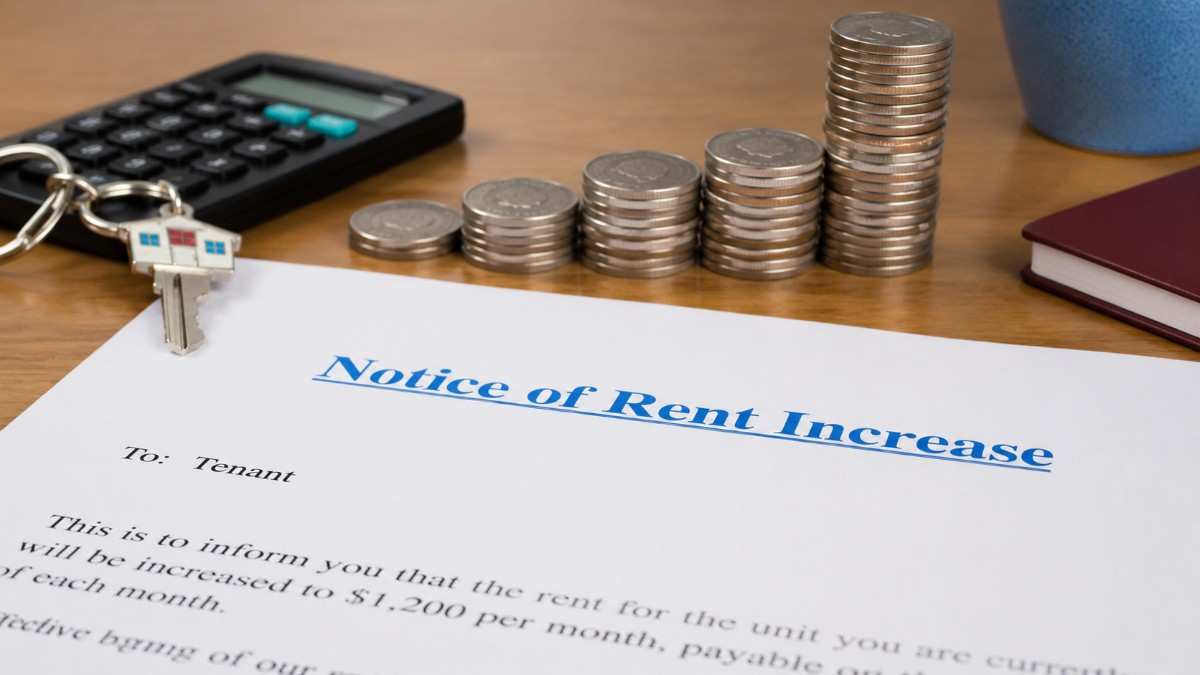

Most tenants worry when their landlord asks for a higher rent at renewal. Many people assume they have no choice but to accept the increase or move out.
In reality, that’s not always true.
Dubai law sets clear rules on when a landlord can increase rent and how much they can increase it. Before agreeing to a higher rent, it’s important to check whether the increase is actually allowed.
A landlord can propose a rent increase when your tenancy contract is renewed, but the increase must comply with Dubai Decree No. 43 of 2013. The permitted increase depends on the Dubai Smart Rental Index. If your current rent is already close to the market average, no increase may be allowed. The landlord must also give written notice of any proposed increase at least 90 days before the tenancy expires, unless your tenancy agreement provides otherwise.
This guide explains how rent increases work in Dubai, the legal caps that apply, how to check the Dubai Smart Rental Index, and what you can do if your landlord asks for more than the law allows.
If you’re unsure whether a proposed rent increase is legal, the real estate lawyers at Leaders Advocates can review your tenancy, explain your rights, and help resolve rent disputes before they become more costly.
The Laws That Control Rent Increases in Dubai
Three pieces of legislation work together to form Dubai’s rent increase law and regulate when landlords can legally increase rent.
- Law No. 26 of 2007, the main Dubai tenancy law, which regulates the relationship between landlords and tenants.
- Law No. 33 of 2008, which amended the 2007 law.
- Article 13 (as amended) allows either party to request a revision of the rent when the contract is renewed. Article 14 (as amended) sets the notice requirement, covered below.
- Decree No. 43 of 2013, which sets the actual percentage caps. Article 2 extends these caps to every landlord in the emirate, including special development areas, free zones, and the DIFC.
One more body matters. The Rental Disputes Centre, established under Decree No. 26 of 2013, is the specialized tribunal that hears rent disputes. Ordinary courts do not handle these cases.
How Much Can Rent Go Up? The Decree 43 Slabs
Article 1 of Decree No. 43 of 2013 sets five slabs. Everything turns on one comparison: your current rent against the average market rent for a similar unit.
| Your Current Rent vs. the Market Average | Maximum Legal Increase |
| Up to 10% below average | No increase allowed |
| 11% to 20% below average | 5% |
| 21% to 30% below average | 10% |
| 31% to 40% below average | 15% |
| More than 40% below average | 20% |
A quick example:
Say you pay AED 80,000 for an apartment, and the index shows an average of AED 100,000 for similar units. Your rent is 20% below average, so the maximum increase is 5%, taking the rent to AED 84,000 at most.
Two details are often missing. First, the percentage applies to your current rent, not to the market average.
Second, the cap is a ceiling, not a right. A landlord can always increase rent by less than the cap, or not at all, and many do to keep a reliable tenant.
Your Landlord Is Demanding More Than the Law Allows?
Don’t feel pressured into paying an unlawful increase. Leaders Advocates assists tenants with negotiations and Rental Disputes Centre (RDC) cases across Dubai.
The Smart Rental Index Explained
Article 3 of Decree No. 43 states that the market average is set by the official rent index approved by RERA. That index changed significantly in January 2025, when the Dubai Land Department launched the Smart Rental Index.
The old calculator worked on broad area averages. A tenant in a brand-new tower was benchmarked against the same figure as a tenant in a 15-year-old building next door. That produced distorted results on both sides.
The new system pulls live transaction data from registered Ejari contracts and assesses buildings individually, using a star rating that reflects the building’s quality, age, maintenance, and facilities. The caps themselves did not change. What changed is the accuracy of the benchmark that decides which cap applies to you.
Checking your own position is free. Use the Dubai REST app or the rental index service on the Dubai Land Department website, enter the property details and your current rent, and the system shows the maximum permitted increase.
The official index is the main regulatory benchmark for the permitted increase. Property listings and a neighbor’s rent do not replace the official calculation.
Not Sure If the Increase Is Legal?
The official Rental Index doesn’t always answer every legal question. Our tenancy lawyers can review your lease, notice period, and rent increase before you agree to anything.
The 90-Day Notice Rule
This notice period is one of the most important rent increase requirements that landlords must follow before increasing the rent.
Article 14 of Law No. 26 of 2007, as amended by Law No. 33 of 2008, requires the party seeking to change any term of the contract, including the rent, to notify the other party at least 90 days before the contract expires. The parties can agree on a different arrangement in the contract, but 90 days is the default.
So what happens if the notice arrives late or never arrives?
The increase is invalid for that renewal. The contract renews on the existing terms, and the landlord must wait for the next cycle. Keep the notice itself. The date it was received is often the deciding fact in a dispute.
Where there is disagreement over the notice period or renewal terms, tenancy dispute lawyers in Dubai can advise both landlords and tenants on their legal options before the lease renews.
Can Rent Go Up During the Lease?
No. The rent stated in the contract is fixed for full term, and the slabs in Decree 43 only apply “upon renewing” the lease.
That also fixes the frequency. One review per renewal means one possible increase every 12 months on a standard annual contract, and never in the middle of it.
Received a Rent Increase Notice?
Before accepting a higher rent, make sure the increase is legally allowed under Dubai law. A quick legal review today could save you thousands of dirhams.
What Tenants Can Do About an Illegal Increase
If the increase demanded is above the legal cap, take these steps in order:
One fear stops many tenants from pushing back: eviction. The law does not allow it here.
Refusing an unlawful increase is not a ground for eviction, and eviction upon expiry requires one of the specific grounds in Article 25(2) of Law No. 26 of 2007 (as amended), plus 12 months’ written notice served through a notary public or by registered mail.
What Landlords Need to Get Right
The same rules protect a landlord who follows the applicable Dubai rent increase law and complies with all rent increase requirements. An increase supported by the index and served on time is very difficult to challenge.
Seeking advice from tenancy dispute lawyers in Dubai before issuing a rent increase notice can help landlords avoid unnecessary disputes and ensure compliance with Dubai tenancy law.
The checklist is short:
The caps apply to renewals, not to new lettings. That distinction matters when a unit becomes vacant.
| Point | Renewal with Existing Tenant | New Lease with New Tenant |
|---|---|---|
| Rent Level | Capped by Decree 43 slabs | Freely agreed between the parties |
| Notice | 90 days before expiry for any change | Not applicable |
| Benchmark | Smart Rental Index is binding | Index is a pricing guide only |
A landlord sitting far below market may prefer gradual increases over several renewals rather than losing a good tenant. That is a commercial choice, and the law leaves it open.
For landlords managing several units, our tenancy contract drafting and review service can build compliant renewal notices into your standard process.
Frequently Asked Questions
Need Help With a Dubai Rent Dispute?
Whether you’re a tenant challenging an unlawful increase or a landlord preparing a compliant renewal notice, Leaders Advocates can provide practical legal advice tailored to your situation.