

A founder needs a VASP licence, an investor cannot withdraw assets, or a business faces a token, custody, fraud, or shareholder dispute. Search results describe many lawyers as crypto specialists, but the work may actually require licensing, corporate structuring, contracts, investigations, tracing, court proceedings, or cross-border enforcement.
There is no universal best crypto lawyer for every Dubai matter. A crypto lawyer in Dubai can advise on the relevant regulatory framework, including gambling law in the UAE and whether crypto mining is legal in the UAE. The right choice depends on the legal entity, jurisdiction, activity, asset, customer location, regulator, transaction history, and remedy. A useful selection process tests those issues instead of relying on a ranking or familiarity with blockchain vocabulary.
Quick Answer
The best crypto lawyer in Dubai is the one whose recent work matches your regulator, business model, and problem. Test VARA, DFSA, ADGM FSRA, and CMA knowledge, then confirm licensing, contracts, investigations, dispute support, team, and fees. Counsel should identify the governing framework before recommending a licence, claim, or recovery strategy.
Define the activity and objective, identify the regulator, send a concise evidence pack, and interview shortlisted lawyers using the same case-specific questions. Choose the team that can explain both the regulatory route and what happens if the project or transaction becomes disputed.
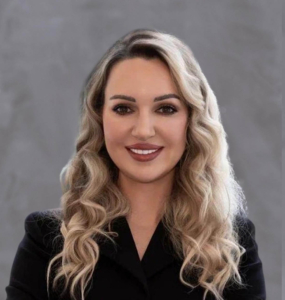
Ekaterina Butseva is the founder and partner at Leaders Advocates. She is a member of the International Bar Association and a foreign member of the American Bar Association, with a practice focused on complex litigation, dispute resolution, arbitration, and cross-border commercial matters relevant to virtual-asset disputes, platform and investment claims, cross-border asset recovery, arbitration, and regulatory enforcement risk. Her perspective is particularly useful where a virtual-asset issue combines regulation, contracts, tracing, enforcement, and parties in more than one jurisdiction.
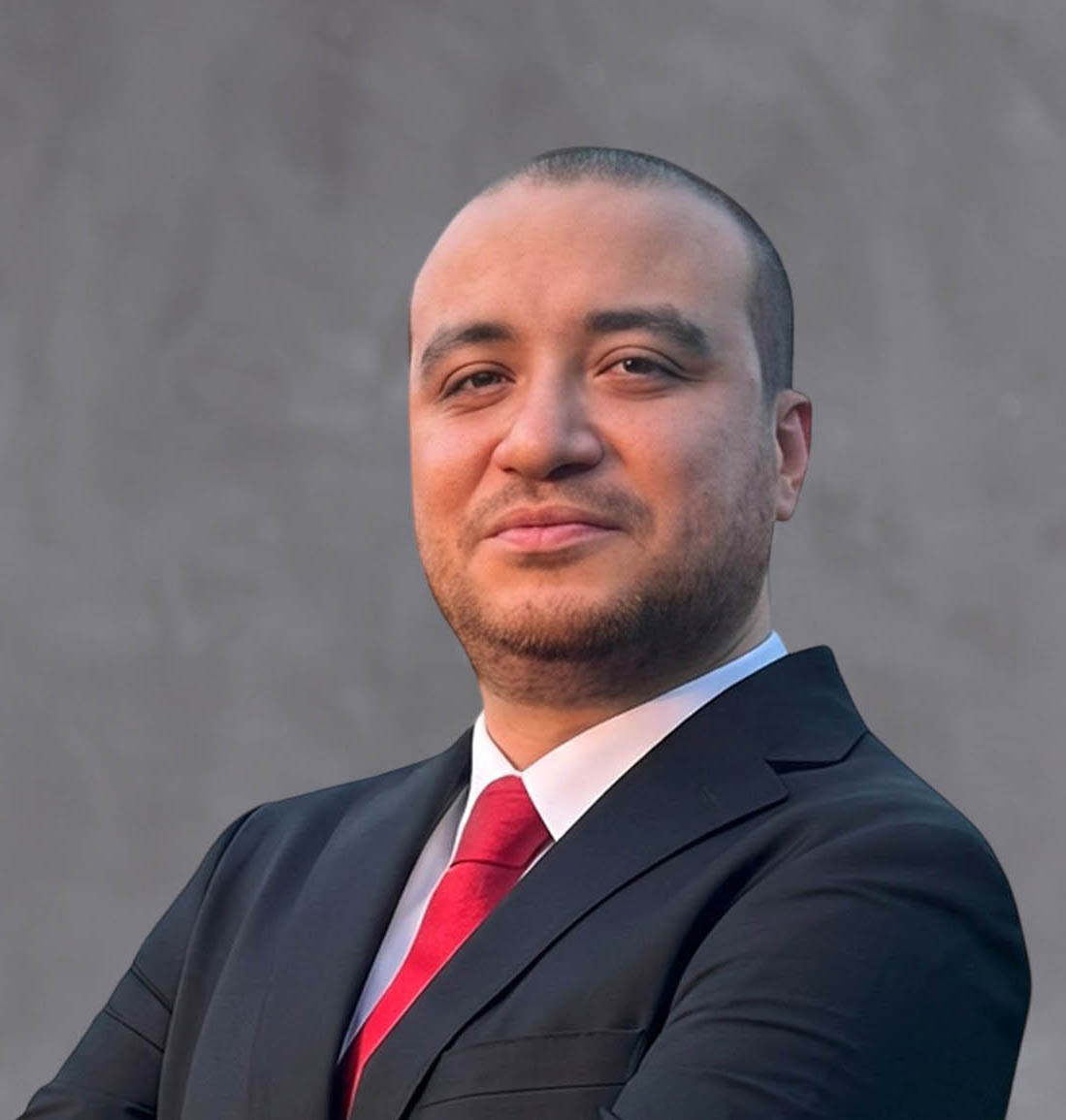
Faris Raian
Crypto Lawyer
Advising clients on virtual-asset businesses, crypto transactions, regulatory matters, commercial agreements, and disputes in Dubai.
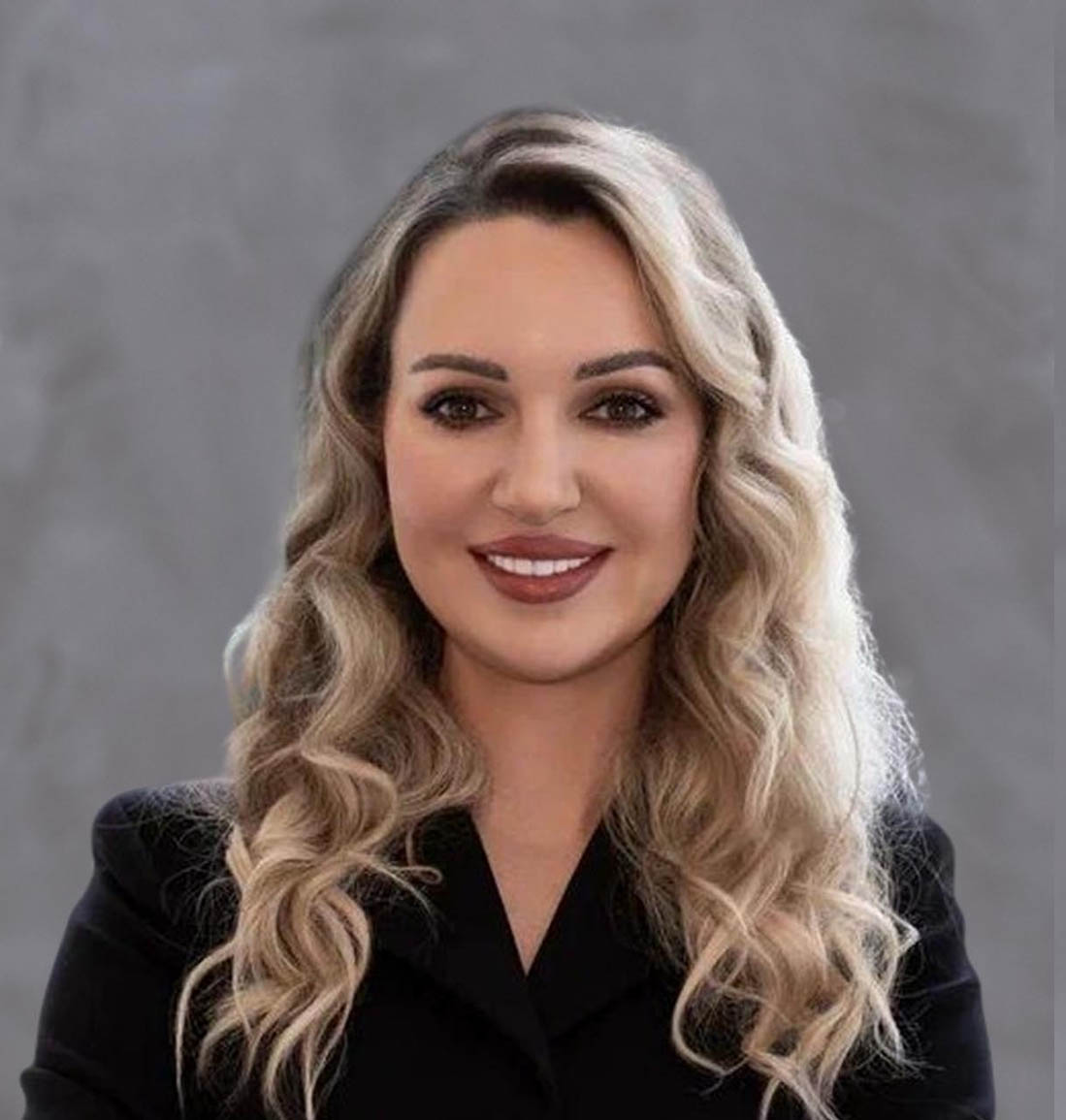
Ekaterina Butseva
Crypto Dispute Lawyer
Handling complex crypto disputes, virtual-asset claims, fraud investigations, asset recovery, arbitration, and cross-border enforcement matters.
Why Crypto Law in Dubai Isn’t a Single Specialism
A crypto matter in Dubai can touch federal rules under the Capital Market Authority, Dubai-specific licensing through VARA, or an entirely separate framework if the business is structured through DIFC or Abu Dhabi Global Market.
The right lawyer needs to actually know which regulator governs a specific situation, not simply have general familiarity with blockchain terminology.
What to Actually Check When Choosing a Crypto Lawyer
• Genuine familiarity with which regulator, VARA, CMA, ADGM, or DIFC, actually applies to your specific structure.
• Recent experience with a case genuinely similar to yours, licensing, a contractual dispute, or a fraud claim.
• Comfort moving between commercial and, where relevant, criminal exposure in the same matter.
Looking for the Right Crypto Lawyer in Dubai?
The right lawyer should understand your exact regulator, legal entity, activity, contract, and dispute risk. Get your VARA, DIFC, ADGM, or federal position reviewed before choosing a licensing or recovery strategy.
Start With Jurisdiction, Entity, and Activity
VARA regulates virtual-asset activities in or from Dubai’s mainland and free zones other than DIFC. Firms seeking to carry on regulated VA activities in or from that territory must obtain the appropriate VARA licence before operating. DIFC follows the DFSA’s crypto token framework, while ADGM has its separate FSRA virtual-asset regime.
Federal rules may also matter, including the Capital Market Authority framework, Central Bank responsibilities, AML and sanctions rules, and legislation affecting securities, payments, companies, data, and crime. The correct map depends on the token and activity; simply saying UAE crypto law is not enough.
Ask the lawyer to identify the legal entity, operating location, customer market, custody model, payment flow, and regulated activity. A strong answer will state what additional facts are needed instead of declaring a regulator from the brand name alone.
• Dubai mainland or a non-DIFC free zone: assess VARA jurisdiction and activity.
• DIFC: assess DFSA authorisation and the Crypto Token rules effective from 12 January 2026.
• ADGM: assess FSRA permission, virtual-asset guidance, and public-register status.
• Federal or cross-emirate activity: assess CMA, Central Bank, AML, and other relevant rules.
• Overseas customers or entities: assess the law of each material jurisdiction.
Match the Lawyer to the Type of Crypto Matter
Licensing and Regulatory Work
Licensing counsel should understand the proposed activity, application sequence, governance, controllers, capital, compliance, technology, custody, outsourcing, and ongoing obligations.
Ask for recent experience with the same licence category and stage, not only general contact with the regulator.
Transactional and Contract Work
Transactional work may involve token terms, shareholder or investment agreements, custody, technology, data, market-making, liquidity, vendor, listing, or customer documentation.
The lawyer should translate regulatory limits into contract language and operational responsibility.
Disputes and Fraud
A dispute or fraud file needs different skills: evidence preservation, wallet and exchange records, jurisdiction, police or regulatory reports, interim relief, tracing, civil claims, arbitration, and enforcement.
A licensing specialist may need to work with litigators and criminal counsel rather than handle every issue personally.
Interview Questions That Reveal Real Regulatory Experience
Give the same short fact pattern to each candidate. Ask which regulator is likely to apply, which fact could change that answer, whether the activity is regulated, what should stop immediately, and which documents are needed before advice.
Compare the reasoning, not the confidence of the delivery.
For a license, ask about the application stages, internal workstreams, expected regulator interaction, dependencies, and the difference between preliminary approval and authority to serve customers.
For a dispute, ask about evidence, forum, urgent measures, realistic recovery targets, and cost.
The lawyer should recognise current developments. VARA’s framework, the CMA legislation effective 1 January 2026, and the DFSA’s updated Crypto Token rules effective 12 January 2026 are material examples. A proposal built on superseded terminology without explanation is a warning sign.
• Which entity and regulator govern this activity, and why?
• What recent comparable mandate can be described without breaching confidentiality?
• Which licence, permission, exemption, or prohibition should be checked first?
• What evidence or compliance work must the client prepare internally?
• Who handles litigation, criminal exposure, arbitration, or overseas enforcement if needed?
Verify Scope, Team, Fees, and Deliverables
A written scope should identify the jurisdiction and activities covered, documents, legal research, meetings, regulator engagement, application work, policies, contract drafting, review rounds, investigation, dispute assessment, and exclusions.
Crypto projects can expand quickly, so change control matters.
Confirm who will perform the work, who supervises it, and which advocate, arbitration counsel, forensic specialist, or foreign lawyer may be involved. The best-known partner is not necessarily the person reviewing wallet evidence or preparing an application file.
Compare fees on the same assumptions. A low fixed price may exclude regulator questions, revisions, policies, negotiation, translations, technical review, or contentious work. Ask when budgets are updated and how third-party costs are approved.
Red Flags When Choosing Crypto Counsel
Avoid guaranteed licence approvals, recovery promises, secret regulator access, or advice to launch before the required permission.
No lawyer controls a regulator, court, exchange, bank, or counterparty. Strong counsel explains uncertainty, dependencies, and steps the client must complete.
General crypto enthusiasm is not a substitute for professional registration, conflicts, confidentiality, and legal analysis. Ask how sensitive keys, wallet data, identity records, source-of-funds material, and investigation evidence will be handled.
Be cautious where the proposed strategy ignores the exact contracting entity or sends demands to a brand with no connection to the payment recipient. In a recovery matter, the asset trail and jurisdiction usually matter more than the public profile of the platform.
• A regulator is named without reviewing the entity, location, activity, and customers.
• The lawyer guarantees a licence, recovery, prosecution result, or court outcome.
• The proposal does not identify the assigned team or contentious support.
• Advice is based on a global brand rather than the contracting and payment entities.
• Confidential wallet, identity, or source-of-funds data is requested through insecure channels.
Check Conflicts, Security, and Evidence Handling
A conflict check should be completed before sensitive business, investor, customer, or dispute material is shared. Give the legal names of the relevant entities and people, then confirm who may receive instructions and how confidential files will be exchanged and stored.
Crypto evidence can be uniquely sensitive. A lawyer may need wallet addresses, transaction hashes, exchange statements, account records, contracts, and messages but should not need a seed phrase or private key.
Preserve original exports and devices while working from controlled copies.
Ask how the team documents the chain from deposit to destination and how it coordinates with technical or foreign specialists. A clear evidence plan reduces the risk of focusing on a public brand while missing the contracting entity, payment recipient, wallet controller, or jurisdiction that matters to the remedy.
• Complete the conflict check before substantive confidential disclosure.
• Use an agreed secure channel and named authorised recipients.
• Never provide a seed phrase, private key, or remote wallet control.
• Keep original records, metadata, devices, and dated register searches.
• Define responsibility for technical analysis and cross-border evidence.
Need Help With a Crypto License, Token Project, or Virtual Asset Business?
Crypto projects can involve licensing, corporate structuring, custody, customer agreements, technology contracts, and compliance at the same time. Our team can map the legal workstreams before you invest, launch, or approach the regulator.
Prepare a Better First Consultation
For a business, send the group chart, legal entities, licences, owners and controllers, activity description, customer journey, jurisdictions, token or product documents, vendors, custody and payment flow, and current regulator correspondence. Mark assumptions that have not been confirmed.
For a dispute, include the customer agreement, account statement, wallet addresses, transaction hashes, bank transfers, messages, support tickets, website and app details, register searches, chronology, amount claimed, and any police, regulator, arbitration, or court reference. Preserve originals before creating summaries.
State the decision required from counsel. Licensing feasibility, immediate risk containment, contract review, evidence preservation, reporting, settlement, asset recovery, or defence are different objectives. A clear objective lets the lawyer propose the right team and scope.
Choosing counsel for a Dubai crypto project or dispute? Ekaterina Butseva and the team at Leaders Advocates can assess the regulator, entity, licence or claim, contracts, evidence, cross-border issues, and the coordinated regulatory or dispute team required.
Common Mistakes
• Assuming any lawyer with general blockchain familiarity understands which specific regulator actually governs your situation.
• Not accounting for the criminal exposure that can sit alongside a purely commercial crypto dispute.
• Choosing based on general reputation without confirming genuine, recent experience with a comparable matter.
• Choosing from a ranking without testing recent experience under the exact applicable framework.
• Assuming one lawyer must personally handle licensing, contracts, criminal allegations, tracing, and every forum.
• Accepting a vague fee proposal that does not identify regulator work, documents, revisions, or dispute support.
Relevant Legal Services
A Crypto Lawyer in Dubai can assess licensing, platform status, transactions, disputes, and recovery. A Corporate Lawyer in Dubai can structure entities, governance, investment, and commercial documents. A Litigation Lawyer in Dubai can evaluate evidence, urgent measures, arbitration, court claims, and enforcement.
People Also Ask
Conclusion
The best crypto lawyer in Dubai is the lawyer or team that correctly identifies the governing framework, understands the client’s exact activity or evidence, and defines a realistic scope.
Test regulatory reasoning, comparable experience, dispute support, responsibility, security, and fees before relying on a profile or ranking.
Crypto Funds Frozen, Investment Disputed, or Fraud Suspected?
Recovery and dispute strategy can depend on the contracting entity, regulator, wallet trail, payment recipient, jurisdiction, and available evidence. Ekaterina Butseva and the Leaders Advocates team can assess the regulatory, litigation, arbitration, and cross-border options.
3 Comments