



Need A Civil Lawyer In Dubai?
Protect Your Rights.
Facing a civil dispute in Dubai? Our civil lawyer in Dubai team delivers trusted civil legal services across contracts, property, and compensation claims. As experienced civil lawyers in UAE courts, we protect your rights with clear advice and complete confidentiality. Contact us today.

Everything Is Confidential
Arabic - English - Russian - Urdu - Turkish - Hindi
Extensive Experience in Dubai Civil Courts




- Practice Areas
Our Civil Law Services In Dubai
Our civil lawyers in Dubai handle all types of civil disputes and civil litigation. Every case gets a dedicated civil lawyer from day one. Here are the most common civil matters we deal with.

Debt Recovery
Someone owes you money and is not paying. We help individuals and businesses recover unpaid debts through the Dubai Civil Court. We assist throughout the debt recovery process, from filing the appropriate claim to pursuing enforcement of any judgment or enforceable order issued in your favor.
UAE Specific
UAE law treats civil debt claims separately from criminal cheque cases. Getting this wrong from the start delays recovery.
Contract Disputes
Where a contractual breach causes loss, the affected party may be entitled to pursue the remedies available under the contract and applicable UAE law. We handle all types of contract disputes, commercial contracts, service agreements, sales contracts, and more across Dubai courts.
UAE Specific
The evidence required to establish a contractual claim depends on the nature and value of the transaction and the applicable UAE evidence rules. Written and electronic evidence may be particularly important in establishing the existence and terms of an agreement.
Civil Litigation and Court Representation
If your civil dispute needs to go to court, we represent you at every stage. From filing the initial claim to the final judgment and any appeal, our civil litigation lawyers handle everything so you can focus on your life.
UAE Specific
Applicable court fees are generally payable in accordance with the relevant filing requirements. The allocation and recovery of litigation costs are determined by the court in accordance with applicable law.
Property and Real Estate Disputes
Property and real estate disputes may involve civil, contractual and specialised real estate legislation, with the competent forum depending on the nature of the dispute. We advise and represent property owners, buyers, sellers and tenants in pursuing the remedies available under applicable UAE and Dubai law.
UAE Specific
Off plan and completed property rules differ significantly under current UAE real estate regulations and enforcement.
Business and Commercial Disputes
Disputes involving business partners, unpaid invoices, suppliers or shareholders may involve civil, commercial, corporate or other applicable legal frameworks depending on the nature of the dispute. Our civil lawyers in Dubai have extensive experience advising and representing clients in business disputes.
UAE Specific
Asset freezing and company liability are separate legal concepts in UAE, both need to be addressed properly.
Personal Injury and Compensation Claims
Where the legal requirements for civil liability are established, a person who suffers physical harm, financial loss or other compensable damage may be entitled to pursue compensation under applicable UAE law. We help you build your case and assist you in pursuing any compensation that may be legally recoverable.
UAE Specific
Not every injury claim needs a courtroom. Where appropriate, settlement negotiations may provide an alternative means of resolving a compensation claim without continuing through full court proceedings.
Cheque and Financial Instrument Disputes
The appropriate procedure for an unpaid cheque or financial instrument depends on the nature of the instrument, the available enforcement mechanisms and the circumstances giving rise to the claim. We advise on the right approach for your situation and represent you in all proceedings.
UAE Specific
Certain unpaid cheques may be pursued through civil enforcement procedures, while specific conduct relating to cheques may still give rise to criminal liability where the statutory requirements are met.
Civil Marriage in Dubai
Non-Muslim individuals who meet the applicable legal requirements may enter into a civil marriage in the UAE in accordance with the relevant federal or local legal framework. We guide you through the full civil marriage process in Dubai, making sure all documents are in order and the registration goes smoothly.
UAE Specific
Civil marriage in Dubai falls under separate legal rules from Muslim marriage, with its own registration process entirely.
- For Expats & Internationals
If You Are an Expat with a Civil Dispute in Dubai
Expats in Dubai sometimes feel like the system is not on their side when it comes to civil disputes. That is not true. Here is what you need to know.

Expats and UAE nationals may bring and defend civil claims before the competent UAE courts, subject to the applicable jurisdictional, procedural and substantive legal requirements.
Proceedings before the Dubai Courts are conducted in Arabic, and parties who do not speak Arabic can obtain legal representation and use certified translation where required. All court filings can be prepared in Arabic by our team.You may communicate with our team in your preferred supported language, and we assist with the applicable filing and translation requirements.
Enforceable civil judgments may be executed against a judgment debtor in accordance with the applicable UAE enforcement procedures, subject to any statutory protections or limitations.
If the other party in your dispute is outside the UAE, there are legal mechanisms to pursue them in many cases. We can advise you on cross-border civil claims.

- Your Situation
Are You Dealing with One of These?
When you see your situation here, you are in the right place. Your consultation is confidential.

Someone owes you money and is not paying

A contract was broken and you lost money because of it

You have been sued and need someone to defend you

A business partner or supplier has not kept their side of the deal

You have suffered financial loss because of someone else's actions

You need to take someone to civil court but do not know how
- Know Your Rights
How Civil Law Works in Dubai
Many people do not know the difference between a civil case and a criminal case. Here is a simple explanation so you know exactly what you are dealing with.
What Is a Civil Case?
A civil case is a legal dispute between two people, two companies, or a person and a company. It is not about breaking the law the way criminal cases are. It is about one side causing harm or loss to the other side. Civil cases in Dubai are handled in the Civil Court and can cover debts, contracts, property, and personal injury among other things.
Proceedings before the Dubai Courts are conducted in Arabic. Our civil lawyers advise and represent clients before the competent Dubai courts in accordance with the applicable procedural requirements.
How Does a Civil Case Work in Dubai?
The procedure for commencing a civil dispute in Dubai depends on the nature and value of the claim. Certain disputes must first be submitted to the Centre for Amicable Settlement of Disputes or another competent forum before court proceedings may proceed. The court sets a hearing date and both sides present their case. A judge then issues a ruling. If you win, the court can order the other side to pay you. If the other side does not comply, where an enforceable judgment is issued, appropriate enforcement procedures may be pursued in accordance with UAE law.
Not sure if your situation counts as a civil case? Tell us what happened and we can assess the available facts and documents and advise on whether there appears to be a legal basis for pursuing a claim.
- Client Outcomes
What Our Clients Say | Real Cases, Real Outcomes
Real clients sharing their experience working with our civil law team, in their own words.
- Our Team
Meet Our Civil Lawyers In Dubai
At Leaders Advocates, every client is assigned to a named lawyer. These are the advocates who will personally manage your civil law case.
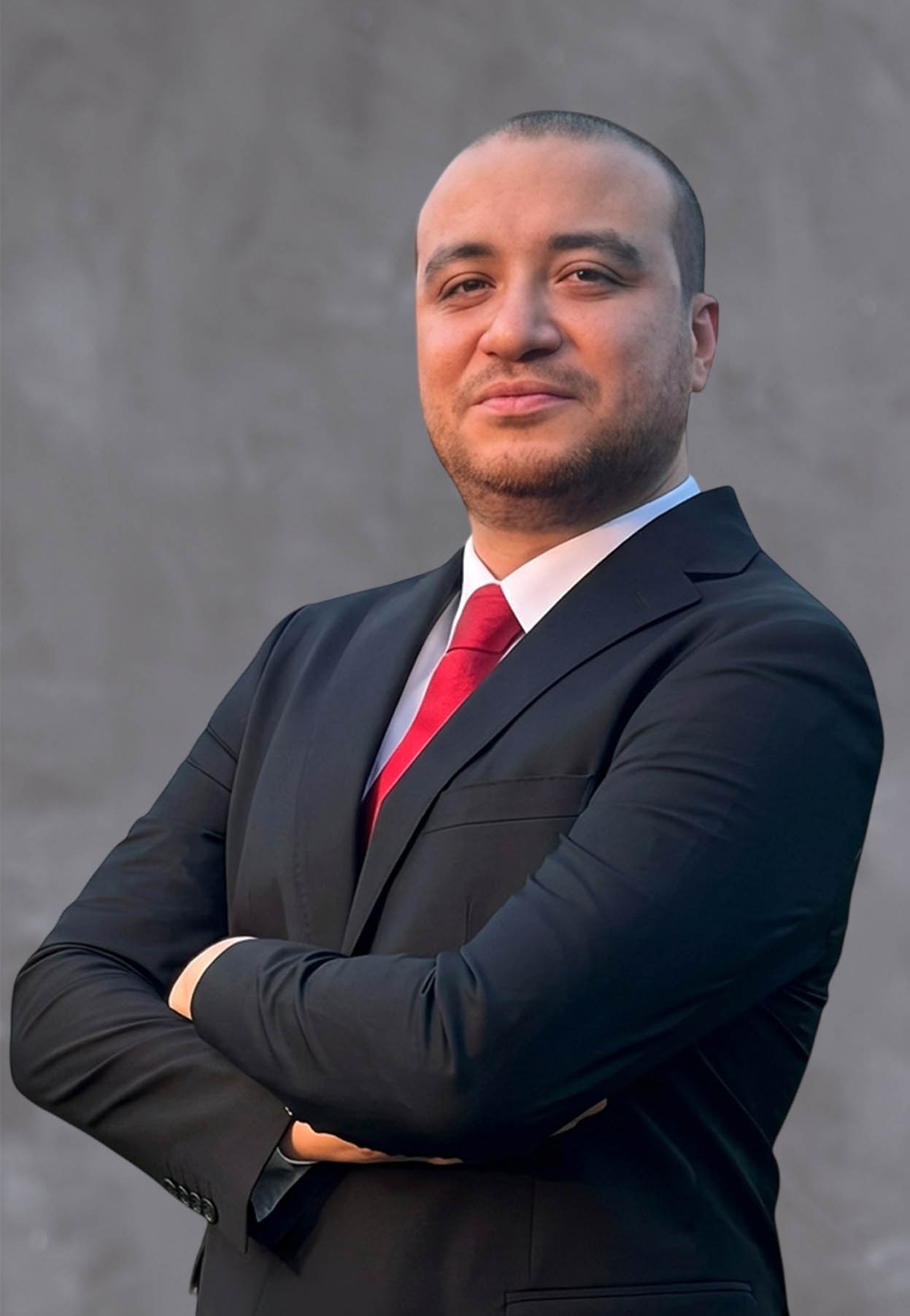
Faris Raian
Founder Partner
Faris Raian has represented clients across Dubai civil courts for over 15 years, with extensive experience handling contract disputes, debt recovery and property cases. He is fully fluent in Arabic and appears regularly before the Dubai Civil Court.
“Civil disputes are not just paperwork to me. I understand what is at stake for every client we represent.”

Ekaterina Butseva
Founder Partner
Ekaterina Butseva specializes in civil law for non-Muslim expatriates and international clients. She handles complex commercial disputes, cross-border contract enforcement, and property claims involving assets in multiple countries under UAE civil law.
“Every civil case is different. I take the time to understand yours before I give you any advice.”

Majed Al Sheikh
Senior Lawyer
Dr. Majid Mohammed Al-Sheikh Al-Khazraji holds a PhD and Master’s degree in Law and Islamic Sharia from Al-Azhar University, Cairo. He served as President of the State Audit Institution in the UAE for 38 years and has been registered as a lawyer with the Ministry of Justice since 1980.
“I make sure no client feels lost in the process. Every question gets a clear, honest answer.”
- How It Works
Contact Our Civil Law Firm In Dubai

You Contact Us
Call us, WhatsApp us, or fill in the form below. Tell us what happened in your own words and in your own language. Arabic, English, Russian, Urdu, or Turkish.

Case Review
After hearing your situation, we give you a straight answer. Do you have a civil case? Is it worth pursuing? What are the strengths, risks and available legal options in your case? How long would it take? We tell you the truth so you can make an informed decision. No pressure, no obligation.

Legal Strategy
If you decide to proceed, we assist you throughout the applicable legal process. We gather and review the relevant documents, prepare the case and commence the appropriate proceedings before the competent settlement body, court or other forum, as applicable. You tell us what happened once and we take it from there.

We Handle Everything
We represent and assist clients in court hearings and proceedings as permitted and appropriate under the applicable procedures. If a judgment is issued in your favor, we can assist with the applicable enforcement procedures to pursue the relief or amounts awarded. Winning the case is only half the job. Where payment is awarded, we can assist with the appropriate enforcement process
Client Experience
What Our Clients Says
Posted on Google
 Ahmed8 days ago
Trustindex verifies that the original source of the review is Google.
I needed legal assistance with a maritime-related matter in Dubai and was initially unsure where to turn because of the specific nature of the issue. Leaders Advocates was recommended to me, and I’m very glad I contacted them. Faris and Ekatrina were professional from the first consultation. They took the time to understand the circumstances of my matter and explained the relevant legal considerations clearly. I never felt that my questions were being rushed, and they made sure I understood the available options before making any decisions. I particularly appreciated their communication and attention to detail. Maritime matters can involve several different legal and commercial considerations, so having lawyers who understand the specific nature of the issue is extremely important. Overall, I had a very positive experience with Leaders Advocates. I would recommend Faris, Ekatrina, and their team to anyone looking for professional Maritime Lawyers in Dubai or legal assistance with a shipping or maritime dispute.Posted on Google Mazuba Haanyama10 days agoI experienced great service from Leaders Advocates. They were attentive and detail oriented and got me the result I was looking. I highly recommend them!Posted on Google
 Shahid Bhai13 days agoHighly recommended! You can blindly trust Mr. Faris for legal services. He is one of the best lawyers in Dubai.Posted on Google
 Никита Бочаров16 days agoI’m very pleased with the legal support I received from Leaders Advocates regarding a real estate issue in Dubai. From the beginning, Faris and Ekatrina took the time to understand the details of my situation and explained the legal options available to me in a very clear and professional way. What I appreciated most was their responsiveness and attention to detail. Real estate matters can become complicated very quickly, especially when there are disagreements between the parties, but their guidance made the process much easier to understand. Their knowledge of Real Estate Law in Dubai and property-related disputes was very reassuring. I would definitely recommend Faris, Ekatrina, and Leaders Advocates to anyone looking for professional Real Estate Lawyers in Dubai or assistance with a property dispute.Posted on Google
 nehir yilmaz16 days agoI’m very grateful for Mr. Faris’s support throughout the whole process. He was always patient, professional, and quick to respond to all my questions. He made everything very clear and handled the process smoothly and efficiently. I really appreciated how dedicated and helpful he was from start to finish. Highly recommended!Posted on Google
 Ibraheim.goudadha16 days agoI’m very grateful for the professional assistance I received from Leaders Advocates regarding a cyber crime matter in Dubai. Faris and Ekatrina were extremely supportive and knowledgeable, and they explained the legal process clearly from the beginning. They handled my concerns with professionalism and confidentiality, which gave me a lot of confidence throughout the process. I highly recommend Faris, Ekatrina, and Leaders Advocates to anyone looking for experienced Cyber Crime Lawyers in Dubai or a reliable Cyber Crime Defense Lawyer in Dubai.Posted on Google
 abd elrahman sheta16 days agoI had an excellent experience with Leaders Advocates regarding a tenancy dispute in Dubai. Faris and Ekatrina were very professional, responsive, and knowledgeable about UAE tenancy law. They explained the situation clearly and guided me through the available options and legal procedures. Their support gave me confidence throughout the case. I highly recommend Faris, Ekatrina, and Leaders Advocates to anyone looking for reliable Tenancy Lawyers in Dubai or a professional Tenancy Dispute Lawyer in Dubai.Posted on Google
 Chris Williams17 days agoI literally can NOT say enough good things about this Law Firm. I reached out to maybe 20 firms and this was the only firm to reach out with SPEED, get me the EXACT results I wanted, and went the extra mile. Whatever they quote you, PAY IT. Because they will work diligently to get the results you need. And I'm not some fake review! They've helped me on three different occasions and I'm extremely grateful for them! I will only be using them going forward.Posted on Google
 haidy elsayed29 days agoI’m very satisfied with the support I received from Leaders Advocates with my real estate matter in Dubai. Faris and Ekatrina were extremely professional, attentive, and knowledgeable. They took the time to understand my situation, explained my options clearly, and guided me through the legal process with confidence. Their expertise in real estate law and property disputes really made a difference. I would highly recommend Faris, Ekatrina, and Leaders Advocates to anyone looking for reliable Real Estate Lawyers in Dubai or professional property legal services.Posted on Google
 Maxim Orlov31 days agoI highly recommend Leaders Advocates for anyone looking for reliable legal support in Dubai. From the first consultation, the team was approachable, attentive, and very clear about the available legal options. Faris and Ekaterina took the time to understand the situation properly and provided practical advice rather than making unrealistic promises. Communication was excellent throughout, and I always felt that my matter was being handled with care and professionalism. In my experience, Leaders Advocates is a strong choice for anyone searching for the Best Lawyer in Dubai, especially if you value clear advice, responsiveness, and a professional approach.Posted on Google
 Ahmed Touny33 days agoI had a very positive experience with Leaders Advocates regarding a real estate matter in Dubai. Faris and Ekatrina were both professional, responsive, and clear throughout the entire process. They explained the legal aspects of my case in a way that was easy to understand and gave me practical guidance at every stage. If you are looking for experienced Real Estate Lawyers in Dubai or need assistance with a property dispute, I would definitely recommend Leaders Advocates for their professional legal services.Posted on Google
 Thibaut FABBRI37 days agoHighly professional, responsive, and efficient. I work with several lawyers on different matters, but Faris Raian is by far the most responsive. He provides advice that genuinely serves his clients' best interests and does not encourage unnecessary legal proceedings. I highly recommend his services.Posted on Google
 قمر ال مبارك45 days ago
Trustindex verifies that the original source of the review is Google.
خدمات سيئه للغايه اسئله بسيطه حجز موعد وتحجز موعد محد يتواصل معاك وإذا في بيتواصلون كل دفع دفعPosted on Google Ivan61 days agoI would like to express my sincere gratitude to Faris Raian and the entire team at Leaders Advocates for their professionalism and support throughout my case. I spent quite a long time deciding whom I could trust with this matter and spoke with several lawyers who had been recommended to me. Eventually, I was introduced to Faris Raian. His professional reputation immediately stood out, while the terms and cost of his services were also considerably more attractive compared to the other options I had considered. As it turned out, that was only the beginning of an exceptionally positive experience. My case was related to fraud and involved a number of complex issues that had to be resolved within a very limited timeframe. Given the circumstances, I initially had serious doubts as to whether the result I had discussed with Faris Raian could realistically be achieved. From the very beginning, however, Faris Raian was very clear and confident about the strategy. He asked me to trust his expertise, follow his recommendations and allow his team to handle the matter according to the agreed course of action. That is exactly what I did. In the end, the result exceeded my expectations. Throughout the entire process, Faris Raian consistently delivered on every commitment. Each stage was completed on time, and in many cases even faster than I expected. His approach was exceptionally professional, precise and well organised. As the case progressed, any doubts I initially had disappeared completely. At a certain point, I simply followed his advice and trusted the process, without feeling the need to interfere or take any unnecessary steps myself. In my opinion, this is exactly what working with a true professional should feel like - someone you can genuinely trust. I am extremely pleased that I found Faris Raian and the team at Leaders Advocates and entrusted my case to them. Everything we discussed and agreed upon was ultimately delivered, and the result was even better than I had originally expected. The entire experience left me with an exceptionally positive impression. My sincere thanks once again to Faris Raian and the entire Leaders Advocates team for their professionalism, reliability and the result they achieved for me. I would confidently recommend Leaders Advocates to anyone looking for legal assistance from professionals they can genuinely trust.Posted on Google
 Ashish Bhatia72 days agoThe best team we have interacted with. The team is very understanding and gives a lot of time and patience in understanding the case. Regular updates available. Highly professionals group of people. STRONGLY recommend them. We have had a great experience with them. STRONGLY AND HIGHLY RECOMMENDED !!!....5 STARS ALL THE WAY.......Posted on Google
 Yasser Muhammad75 days agoI had an excellent experience with Leaders Advocates in Dubai and would highly recommend them to anyone looking for reliable and professional legal services. They handled my real estate case perfectly from start to finish, and I was truly impressed by their professionalism, responsiveness, and attention to detail throughout the entire process. I would especially like to thank Mr. Faris and Ms. Ekaterina for their outstanding support and dedication. They were always available to answer my questions, kept me informed at every stage, and made what could have been a stressful situation feel very smooth and well managed. Thanks to their expertise and commitment, I felt confident that my case was in the best hands. I highly recommend Leaders Advocates to anyone in Dubai who needs legal assistance, especially in real estate matters.Posted on Google
 ahmed fathy76 days agoI can’t thank Faris Raian and Ekaterina enough for everything they did for me. When I first came to them, I had almost lost hope and honestly believed there was no way to get my rights back. From the first meeting, they explained everything clearly, built a strong legal strategy, and supported me throughout the entire case. Thanks to their hard work, professionalism, and dedication, we won the case and I finally got my rights back. If you’re looking for lawyers who truly care about their clients and fight for the best possible outcome, I highly recommend Faris Raian and Ekaterina. Thank you both for giving me hope again and for achieving a result I never thought was possible.Posted on Google
 이여름76 days agoMr. Faris handled my complex assault case with exceptional professionalism, discretion, and care. He was always mindful of the sensitive nature of the case, guided me through every step with confidence, and made a difficult process much easier to navigate. I'm truly grateful to Mr. Faris and his team for their dedication and support. Highly recommended.Posted on Google
 Mohamed Hassan76 days agoVery helpful and professionalPosted on Google
 Donald Mahobele80 days agoI am incredibly grateful to Leaders Advocates for their support with my case. I was dealing with a difficult legal matter and reached out to their team for assistance. From the beginning, they provided clear guidance, professional support, and helped me understand the best way to move forward through the courts. I won my case last week, which was a huge relief. A special thank you to Faris and the entire team for their dedication, professionalism, and support throughout the process. I highly recommend Leaders Advocates to anyone seeking reliable legal assistance.Posted on Google
 Ali Raza113 days agoThanks alot to Mr. Faris, Ms. Eketerina, Mr. Salah and paralegal team. I had very complicated case, and Leaders Laww Firm won both cases for me in Court of 1st instance and in Appeal court. The defense was very comprehensive. Throughout the process, i was assisted very well. All my answers, quries, concerns were replied prompty. Words cant describe my Happiness :)Posted on Google
 Nadine Ibrahim225 days agoممتازينPosted on Google
 Mirna Kbbeh230 days ago5️⃣ I had a very positive experience with this firm. Everything was handled efficiently and with great professionalism. Ms. Frenjei was incredibly helpful, knowledgeable, and supportive.Posted on Google
 Mary Kebe231 days agoExceptional legal services. The firm combines expertise, responsiveness, and professionalism. I am especially thankful to Ms. Frenjei for her outstanding assistance and dedication to my case.Posted on Google
 Вероника242 days agoFollowing a dispute with a real estate developer due to misleading sales practices, I engaged Leaders Advocates to represent me.The team handled the matter with professionalism, clear communication, and strong attention to detail. They successfully resolved the case and secured compensation for my losses I appreciate their efficiency and would confidently recommend Leaders Advocates for real estate disputesPosted on Google
 Амира243 days agoI am incredibly grateful to Leaders Advocates for standing by me during one of the hardest periods of my life. They helped me win my case against my narcissistic ex-husband, finalized my divorce, secured all my legal rights, and ensured that my children remain in my care after removing shared custody. Their professionalism, dedication, and deep understanding of my situation made all the difference. Special thanks to Fares and EKaterina without them, my rights would have been lost. Their constant follow-ups, daily communication, and genuine support gave me strength, reassurance, and positive energy throughout the entire process until the case was successfully won. This was not just legal work - it was real support, real commitment, and real care. I truly couldn’t have done this without them and I highly recommend Leaders Advocates to anyone seeking justice, protection and peace of mind. Thank you from the bottom of my heart.Posted on Google
 Alex Alexander243 days agoI want to genuinely thank Leaders Advocates for the amazing work they did on my case. It was a complex matter, and they handled it with confidence and professionalism from start to finish. A special thank you to Faris and Katerina, and honestly the whole team, for their hard work, patience, and constant support. They were always professional, responsive, and clear, which really gave me peace of mind throughout the process. Most importantly, they achieved everything I was aiming for, and the final result exceeded my expectations. I truly appreciate their effort and dedication and would definitely recommend Leaders Advocates to anyone looking for a reliable and professional legal team.Posted on Google
 Aleks Orlov270 days agoI have a relationship with Ms. Kate since 2020. At the time, she was the only one of several lawyers to take on my complicated case and gave me hope for success. The battle lasted four years. When the opponent tried to reverse the case, Mr. Faris joined in. They not only won the case but also initiated actual payments from the defendant. I thank them for their hard work. I commend their high level of legal competence and their support and care to the client.Posted on Google
 Susan Osman273 days agoI am extremely grateful to Mr. Faris and Ms. Kate for their outstanding legal support. From the beginning, the team was professional, responsive, and highly knowledgeable. They handled my case with great care and expertise, and thanks to their dedication, my case was successfully won. I truly appreciate their hard work and would highly recommend them to anyone in need of reliable legal representation.Posted on Google
 Саид Ахтаев281 days agoLeaders Legal Consultancy is an excellent legal firm in Dubai. They helped us resolve a very complex case that had been unresolved for almost 10 years, and they managed to do it in a surprisingly short time, including recovering the funds. Special thanks to Faris and Ekaterina — highly professional, knowledgeable, and very reliable. From the first consultation, it was clear that we were in good hands. I can confidently recommend this team, and from now on all our legal matters in Dubai will be handled only with Leaders Legal Consultancy.

- FAQs
Answers to the Questions About Civil Lawyers in Dubai
Civil law in Dubai raises a lot of questions, especially if you have never been involved in a legal dispute before. Here are the ones we get asked most often.
What does a civil lawyer in Dubai actually do?
A civil lawyer in Dubai helps you when you have a legal dispute with another person or company that does not involve criminal charges. They advise you on whether you have a case, build your legal argument, file the claim in Dubai Civil Court, represent you at hearings, and help enforce any judgment you win.
How much does a civil lawyer cost in Dubai?
Civil lawyer fees in Dubai depend on the complexity of your case and how long it takes to resolve. Some civil lawyers charge a fixed fee for straightforward cases. Others charge based on time spent. We are fully transparent about fees from your first consultation so there are no surprises.
How long does a civil case take in Dubai?
A simple civil case in Dubai can take between 6 months and 1 year. More complex cases involving multiple hearings or appeals can take 2 years or longer. The timeline depends on the nature of the dispute, the evidence available, and whether the other side cooperates. We give you a realistic estimate from the start.
Can I file a civil case in Dubai if I am an expat?
Yes. Expats have exactly the same right to file civil cases in Dubai as UAE nationals. You do not need to be a citizen or even a long-term resident. If the dispute happened in Dubai or involves a party based in Dubai, the Dubai Civil Court has jurisdiction over your case.
What is the difference between a civil case and a criminal case in Dubai?
A criminal case is brought by the government when someone breaks the law. A civil case is brought by a private individual or company against another party for causing harm or loss. Civil cases are about compensation. Criminal cases are about punishment. The same incident can sometimes lead to both a civil and a criminal case at the same time.
What happens if I win a civil case but the other side does not pay?
If you win a civil case in Dubai and the other side refuses to pay, you can apply to enforce the judgment through the Dubai Execution Court. The court has strong enforcement powers including freezing bank accounts, seizing assets, and travel bans. We handle the full enforcement process as part of your case.
Can a civil lawyer in Dubai help me with a debt someone owes me?
Yes. Debt recovery is one of the most common civil law matters we handle in Dubai. Whether it is an individual, a company, or a former business partner who owes you money, we can help you file a civil claim and recover the debt through the Dubai Civil Court.
What is civil litigation in Dubai?
Civil litigation in Dubai refers to the process of resolving civil disputes through the court system. It starts with filing a claim, goes through one or more hearings, and ends with a court judgment. Civil litigation is the formal legal route for disputes that cannot be resolved through negotiation or mediation. Our civil litigation lawyers handle every stage.
Need A Civil Lawyer In Dubai?
Your Civil Law Firm In Dubai Is Ready To Help
Civil disputes are rarely simple and almost never easy. Whether you are just starting to understand your options or already in the middle of proceedings, our civil law team is ready to help. Book your first consultation, which is completely private and comes with no obligation to proceed. Just tell us your situation. We will take it from there.