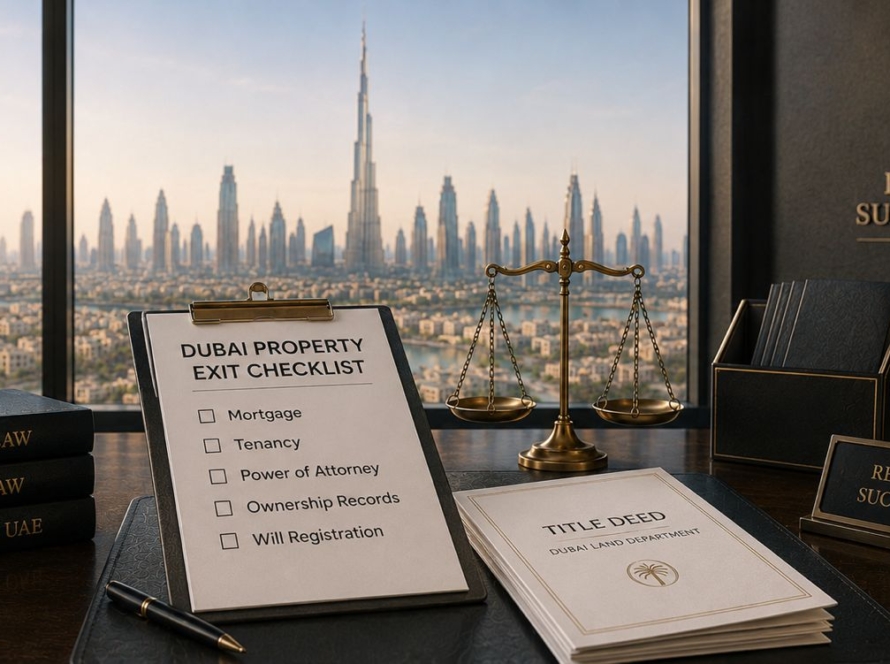

A familiar hotel name, luxury showroom, or attractive brochure does not establish all three. Keep the developer’s legal identity, the project’s registration, and the brand’s contractual role separate throughout your review.
Quick Answer
To verify the authenticity of a branded residence project in Dubai, confirm the registered developer and project through Dubai Land Department, check the project’s escrow account and advertising permit, and independently contact the brand owner to establish its involvement.
Use the official project records, Dubai REST’s Mashrooi service, the advertisement’s Madmoun QR code and the broker’s registration details. Compare those results with the booking documents and sale agreement.
A well-known brand name does not guarantee construction completion, investment returns, hotel services or a refund. Review the signed contract, the brand’s role, management obligations and payment instructions before transferring money.
What a Branded Residence Actually Is?
A branded residence is a residential property associated with a recognized brand through a commercial arrangement. The brand may license its name, provide management services, or do both. The arrangement should be documented rather than inferred from marketing.
The brand is not necessarily the developer, seller, owner of the land, or guarantor of completion. Ask which entity signs the sale contract and which entity promises the services. A buyer needs to know who is responsible for each obligation.
A residence may share a development with a hotel without giving every apartment owner hotel services on identical terms. Confirm which facilities and services are included, optional, or charged separately. The contract should identify what the particular unit receives.
Important: The Brand and the Developer May Be Different Companies
A recognizable luxury or hospitality brand may provide naming rights, services, or management without becoming the seller or developer. Confirm the identity of the company entering the sale agreement and the contractual responsibilities of each participant.
Match the Project Identity Across Independent Records
Start with the legal developer name, registered project name and number, location, and unit reference. Compare the booking form and proposed sale agreement with the regulator’s record. Resolve different names or project phases before transferring money.
Dubai’s Project Status Enquiry allows searches by project name or number. Dubai REST’s Mashrooi service displays project, developer, inspection, and escrow information. Save the relevant result and note when it was checked.
Do not assume a tower marketed under a brand name has the same name in every official record. Ask the developer to explain any difference in writing. Verify the link using the project number and location rather than accepting a verbal explanation.
Dubai Law No. 8 of 2007 requires developer registration under Article 4 and written approval for advertising off-plan units under Article 5. Articles 6, 7, and 9 establish the project escrow framework. Law No. 13 of 2008, Article 3, governs interim registration of the sale.
The wider checks in real estate due diligence in the UAE help connect ownership, contracting parties, project records, and payment obligations.
Project Registration Details to Verify
- Developer’s registered legal name
- Official project name and registration number
- Location, tower and project phase
- Unit number and booking reference
- Details on Dubai Land Department’s project record
- Correspondence explaining any differences in project names
- Agreement details matching the correct registered development
Planning to Buy a Branded Residence in Dubai?
Before committing to a branded property, review the developer, registered project, booking terms and the contractual responsibilities of the parties involved. Discuss the documents with Leaders Advocates.
Check the Escrow Account Before Sending Money
An escrow account is dedicated to the specific development. Under Article 9 of Dubai Law No. 8 of 2007, it must be held in the project’s name. The developer’s creditors cannot attach the deposited funds.
Open Mashrooi in Dubai REST, search for the development, and select the correct result. DLD’s Mashrooi instructions show where to review the developer and escrow details. Compare those details with the payment instructions received.
Confirm the bank, account details, project name, and project number. If any detail differs, obtain clarification from DLD or the identified escrow bank through independently verified contact information. A forwarded email or screenshot alone should not settle the discrepancy.
Treat instructions to pay a personal account, an unrelated company account, or an unexplained cash deposit as a serious warning. Ask what each requested payment represents. Purchase installments, brokerage charges, and administrative charges should not be blurred into one unexplained payment.
Escrow controls do not guarantee timely completion, profitability, or preservation of the brand. They address the handling of project funds. Keep proof of every transfer, the payment request, and the unit reference so your payments can be reconciled later.
Before Making a Property Payment
Compare the payment instructions with the project’s officially verifiable escrow information. Check the named bank, project, account details and payment purpose.
Do not rely solely on a sales representative’s email or forwarded screenshot where the account information cannot be independently verified. Preserve transaction records and payment references.
Ask the Brand to Confirm Its Exact Role
The brand’s involvement is a commercial arrangement, not a registration. It usually takes the form of a license to use the brand name, a management agreement for the building, or both. Ask the developer for written confirmation of:
- Who the brand owner or licensee is, and which agreement gives the developer the right to use the name;
- Whether the brand will manage the building, the residences, or only lend its name;
- What happens to the branding if that agreement ends or is not renewed; and
- Any brand fee or service charge the owner will pay in addition to the purchase price.
Contact the brand through its independently located official website or corporate channel. Identify the developer, location, phase, and project number in your request. Ask for confirmation that the advertised arrangement applies to the unit or residential component being sold.
If the brand’s public website does not list the development, investigate the discrepancy rather than immediately assuming fraud. A new or differently named project may need clarification. Do not pay merely because the sales team promises that an announcement is coming.
Ask how long the branding arrangement lasts and which events allow termination or replacement. Then compare the answer with the sale agreement. A developer’s commercial agreement with the brand does not automatically give every buyer a direct claim against that brand.
The practical question is what your contract promises if the brand leaves. Check the stated services, permitted substitutions, notice requirements, and any expressly agreed remedies. Do not infer an automatic refund from the brand name alone.
Questions to Ask About the Brand License
- Has the brand independently confirmed its participation?
- Does the brand license cover the precise residential development?
- Will the brand manage the property or only license its name?
- What is the agreed duration of the brand arrangement?
- Can the branding or management provider be replaced?
- What does the sale contract say if the brand withdraws?
- Which brand-related fees or services must the owner pay for?
Need to Verify a Branded Residence Agreement?
The brand’s involvement, management obligations and promised services should be supported by the relevant documents. Discuss the terms of your branded residence purchase with Leaders Advocates.
Advertising Approval and Broker Verification
Scan the advertisement’s Madmoun QR code and compare its official result with the listing. DLD’s Madmoun guidance explains that the code verifies the advertisement permit and associated details. Check the advertising company as well as the property.
A valid advertisement permit does not replace project, escrow, or brand checks. Equally, a genuine broker card does not prove that every marketing promise is a contractual obligation. Verify each record for the question it actually answers.
Ask the broker for their card number and associated office. Bylaw No. 85 of 2006 and DLD’s brokerage guidance govern this registration framework. Record the person’s name, office, contact details, and role in the transaction.
If the concern is misleading advertising or broker conduct, the guide to filing a complaint against a real estate agent explains the regulatory route. A regulatory complaint and a claim for financial remedies are different procedures.
Read the Management and Service Charge Provisions
Where the building is licensed as a hotel establishment, Article 2 of Dubai Law No. 6 of 2019 treats it as a Hotel Project. Article 18(a)(2) requires common-part management through a RERA-recognized Hotel Project Management Company.
Ask which category applies and who manages the common parts. Identify any brand fee or service charge payable beyond the purchase price. Request the contractual basis and available budget information, rather than relying on a sales estimate alone.
Check whether membership, housekeeping, maintenance, access to hotel facilities, or rental management is included. Do not assume an advertised amenity is free for every owner. Distinguish mandatory charges from optional services and any stated restrictions on personal use or letting.
Costs and Services to Review Before Buying
- Annual service charges and common-area management
- Any separate brand or management fee
- Housekeeping and maintenance arrangements
- Membership and hotel facility access
- Rental management obligations and charges
- Optional services and their separate costs
- Restrictions on owner occupation or short-term letting
Keep a Verification Record Before Signing
| Check | What to confirm | Legal basis (Dubai) |
|---|---|---|
| Developer | The developer is entered in the Register of Real Estate Developers and licensed by the competent authorities | Law 8/2007, Art 4 |
| Escrow account | An escrow account has been opened for the project, in the project’s name, with an approved escrow agent, and buyers’ payments go into it | Law 8/2007, Arts 6, 7 and 9 |
| Advertising permit | The developer has written approval from the Land Department to advertise or exhibit the off-plan units | Law 8/2007, Art 5 |
| Your sale | Your off-plan purchase is recorded in the Interim Real Property Register | Law 13/2008, Art 3 |
| The broker | The person selling to you holds a valid broker card issued through the Trakheesi system | Bylaw 85/2006; DLD practice guide |
| The brand | The brand owner confirms that it has licensed its name, or agreed to manage the building, for this project | Contract documents; brand’s own confirmation |
Preserve the advertisement, official search results, brand confirmation, payment instructions, broker details, and contract version reviewed. Date the records and record unresolved questions. This creates a usable file if the offer changes before completion.
Warning signs include pressure to pay before seeing the contract, missing permit details, an unverifiable broker, or a different seller in the agreement. Stop and resolve the mismatch. A discount or reservation deadline does not explain inconsistent documentation.
After signing, confirm that your off-plan sale is entered in the Interim Real Property Register. Project registration and registration of your particular sale are separate checks. Keep the registration evidence with your payment records.
If delivery later becomes disputed, consult the discussion of rights where off-plan handover is delayed. Authenticity checks help establish the starting position but do not determine every later remedy.
Outside Dubai, use the relevant emirate’s authority and legislation. Abu Dhabi, for example, has its own off-plan and escrow regime administered through its real estate authorities. Dubai article numbers should not be applied to another emirate’s project.
Found Inconsistencies in Your Branded Residence Documents?
Unclear project registration, mismatched payment details, missing advertising approvals or unconfirmed brand involvement can require legal review before signing or paying.
Buyer Questions About Branded Projects
Need Legal Help Verifying a Branded Residence Project in the UAE?
Leaders Advocates can discuss developer and project records, off-plan sale agreements, brand licensing obligations, escrow-related concerns, broker representations and property purchase disputes. The appropriate legal approach depends on the project’s registered status, contractual documents and available evidence.