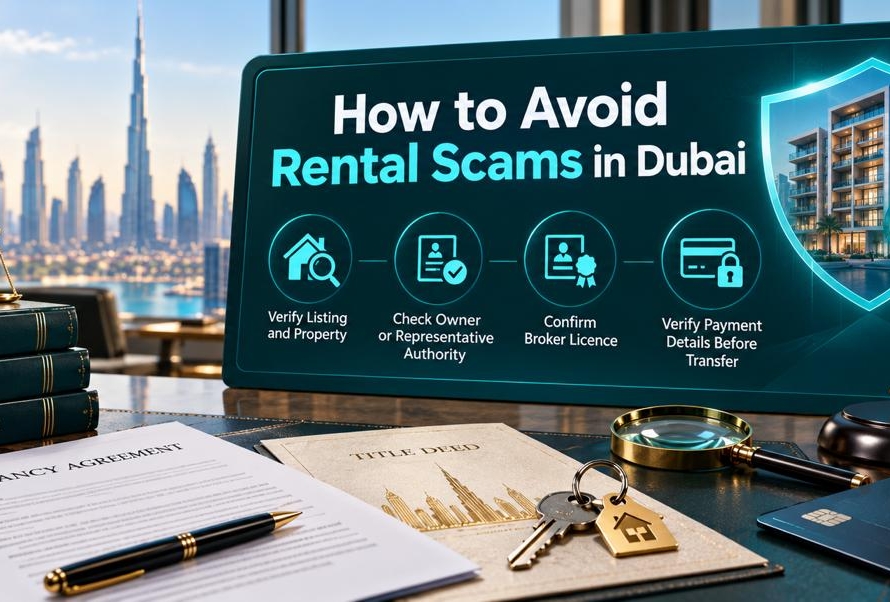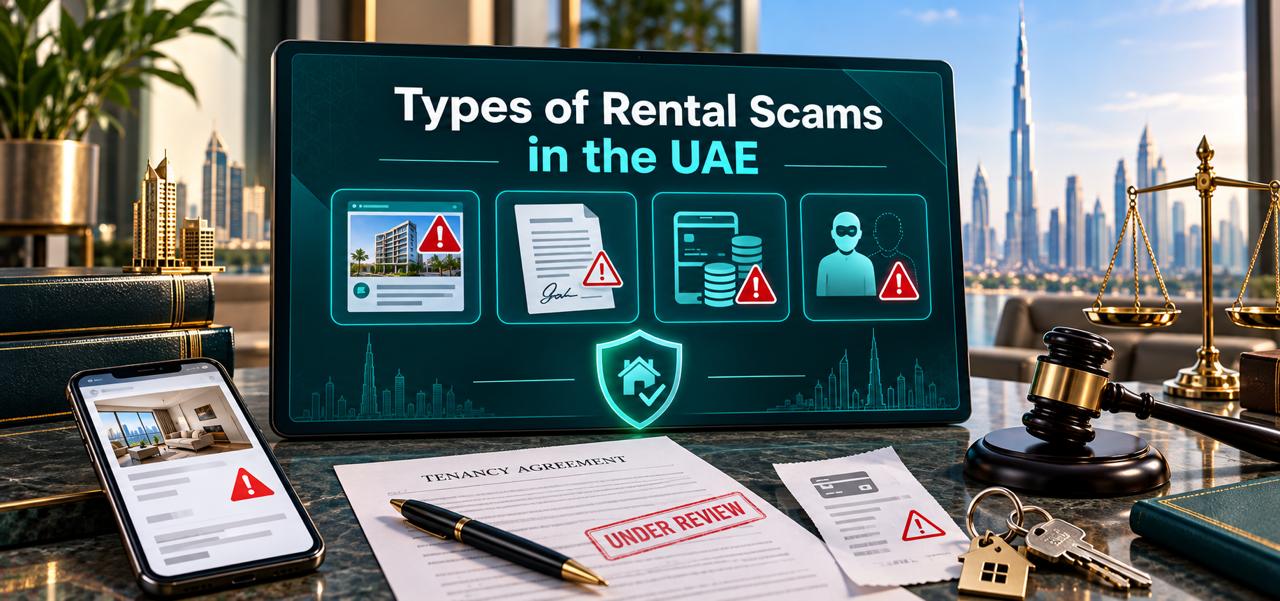

Rental scams do not follow one script. Some use a fake property. Others use a real unit, stolen identity, unauthorized sublease, or diverted payment.
A victim may see genuine photos and even enter the building. Those facts do not prove the advertiser can sign a lease or receive money.
You need to recognize the main patterns and the shared warning signs. Then you can choose the correct verification step before each payment.
Quick Answer
The most common types of rental scams include fake listings, identity impersonation, unauthorized subletting, false broker claims, upfront payment pressure, and unexpected changes to bank instructions.
Some scams advertise a property that does not exist. Others use a real unit that the advertiser does not own or have authority to lease. Common warning signs include an unusually low price, urgent payment demands, blocked viewings, incomplete documents, or a recipient name that does not match.
Before paying, verify the property, owner, representative, broker, tenancy contract, payment account, and local tenancy registration process. Keep copies of listings, messages, documents, and payment instructions, and stop the transaction if any important link cannot be confirmed.
Solution
Learn the pattern, then test the transaction. A scam becomes harder to complete when every claim must connect to independent proof.
1. Fake Property Listings
A fake listing may copy photos, floor plans, and descriptions from a real advertisement. The scammer changes only the contact and price.
The property may be unavailable, occupied, or never controlled by the advertiser. The goal is usually to collect money before a viewing.
Search the images and wording online. Compare prices, agent names, unit numbers, and publication dates across different websites.
Do not pay to receive an address or viewing slot. Verify the unit and advertiser before treating the listing as a real opportunity.
2. Owner Impersonation
A scammer may claim to be the owner and send copied identity or property documents. The documents can look convincing in a message.
The person may avoid live contact or explain that travel prevents a meeting. Distance then becomes the reason for urgent electronic payment.
Check the ownership record through the proper local process. Compare the owner, unit, contract, communication, and payment account.
A document copy is not enough. Independent confirmation must connect the person receiving funds to the registered owner or authorized arrangement.
Worried a Rental Offer Could Be a Scam?
Before transferring money or signing a tenancy contract, get the property documents, landlord authority, broker details, and payment instructions reviewed for potential warning signs.
3. Representative Impersonation
Another scammer claims to act for the owner. They may describe themselves as a relative, manager, assistant, or appointed agent.
The story may be true in legitimate rentals. The risk appears when authority to sign or receive funds cannot be verified.
Request the written authority and review its parties, property, scope, date, and duration. Confirm it through an independent route when possible.
Authority to show the unit does not always include authority to sign the lease. It may also exclude the power to collect money.
4. Unauthorized Subletting
A current occupant may offer the unit or a room without the landlord’s knowledge or required permission. Access alone can make the offer believable.
The subtenant may pay rent and later face removal, access loss, or a dispute because the arrangement was never properly authorized.
Ask to see the main tenancy record and the written permission supporting the sublease. Check that names, dates, property, and scope match.
Do not rely only on keys or personal belongings. A person can occupy a unit without holding the legal power to relet it.
5. Fake Broker Claims
A person may pose as a broker or copy a real agent’s name, card, photo, or brokerage branding.
The scammer often moves communication to a private number. They may request a fee or deposit through an unrelated personal account.
Verify the individual and brokerage through the official channel for the emirate. Contact the company through a number found independently.
Record the broker card details, company, listing permit, email, phone, and fee terms. Investigate any mismatch before payment.
6. Upfront Payment Scams
The scammer requests a holding deposit, first rent payment, viewing fee, or agency charge before identity and authority are checked.
Urgency creates the trap. The victim is told that several tenants are waiting and only an immediate transfer can secure the unit.
Ask what the payment buys, who receives it, when it is refundable, and which verified document creates the obligation.
Do not confuse a familiar payment label with a safe payment. The recipient and legal basis still require confirmation.
7. Payment Diversion
A genuine transaction can be targeted when a criminal changes the bank instructions. The new message may appear inside an existing email chain.
The fraud may follow account compromise or impersonation. The contract can be real while the substituted payment account is false.
Verify changed instructions through a trusted contact and separate channel. Compare the account name with the owner, authority, and contract.
Never treat urgency or confidentiality as a reason to skip confirmation. Repeat the check immediately before sending a large amount.
8. False Rental Documents
Scammers may alter ownership records, identity documents, broker cards, tenancy contracts, registration certificates, or company letters.
Common signs include cropped pages, unclear seals, inconsistent names, mismatched fonts, missing numbers, or dates that do not fit.
Good visual quality still does not prove authenticity. Verify the information through the authority, company, or person who should have issued it.
Keep the suspect document in its original format. Metadata, transmission history, and surrounding messages may later support an investigation.
9. Duplicate Unit Scams
A scammer may collect deposits from several people for the same unit. Each person receives a similar contract and promised move in date.
The advertiser delays handover while continuing to accept funds. Victims may discover the problem only when they arrive for the keys.
Confirm the transaction with the verified owner and brokerage. Use traceable payments and define the signing, payment, registration, and handover sequence.
Ask for a receipt tied to the exact unit and purpose. A generic cash receipt offers little protection against multiple promises.
10. Short Term Rental Misrepresentation
A short stay offer may be presented as a regular tenancy or the reverse. The advertiser may avoid the rules and records for the actual arrangement.
Confirm who operates the unit and which local requirements apply. Building access does not prove the right to offer short term accommodation.
Check the dates, services, cancellation terms, deposit, occupancy, and payment recipient. The written agreement should match the advertised use.
If the transaction type is unclear, pause. A mislabeled arrangement can create access, refund, registration, and dispute problems.
11. Shared Warning Signs
Most rental scams combine pressure with blocked verification. The advertiser demands speed while refusing a viewing, official check, or direct confirmation.
The price may sit far below comparable units. The explanation often changes when you ask about the owner, broker, or account name.
Communication may shift between several numbers and identities. Documents arrive late, incomplete, or only after a deposit request.
One warning sign does not prove fraud. Several unresolved signs should stop payment until every material point is independently checked.
12. Verify Before Paying
Start with the emirate and correct official system. Then verify the property, owner, representative, broker, contract, account, and registration plan.
View the unit or use a trusted representative. Compare the physical details with the listing and every document.
Use traceable payment methods. Keep a clear bank reference and signed receipt that identify the property and payment purpose.
Do not transfer funds while a material mismatch remains. A legitimate party should support reasonable verification without artificial pressure.
13. Respond After a Scam
Stop further transfers and contact the bank quickly. Some payment recovery or account tracing steps may depend on immediate action.
Preserve listings, chats, emails, calls, documents, bank details, receipts, viewing evidence, and the complete timeline.
Use the reporting route that matches the conduct and location. Police, banking, broker, tenancy, and civil channels can have different roles.
Get advice before confronting the suspected scammer at length. Continued contact can destroy evidence or create new statements that complicate the case.
14. Protect a Remote Rental
People renting from abroad face extra risk because they cannot inspect the unit or meet the parties easily. Distance should increase verification.
Use a trusted local representative for the viewing and document comparison. Request live video, dated photographs, and a written report.
Confirm every payment instruction through a separate verified channel. Do not let travel dates become the reason for an unsafe transfer.
Plan the signing, registration, and handover before arrival. Know who will hold keys and what proof will be available at each stage.
15. Use a Transaction Timeline
Create a timeline from the first advertisement to final handover. Add each message, document, check, payment request, and promised date.
A timeline exposes changes in the story. It can show a different owner name, account, unit, fee, or move in promise.
Mark which facts were independently verified. Keep unverified claims separate so they do not become assumptions inside your decision.
If fraud is suspected, the same timeline can support the bank, police, regulator, tenancy adviser, or lawyer reviewing the file.
Something Doesn’t Look Right With Your Rental Deal?
A suspiciously low rent, urgent payment request, blocked viewing, questionable broker, or changed bank account can be a warning sign. Get legal guidance before sending more money.
Final Takeaway
The types of rental scams differ, but the defense is consistent. Connect every claim to independent proof before you sign or pay.
A real unit is not enough. Confirm the owner, authority, broker, contract, recipient, handover, and local registration process as one transaction.
Related Success Story
See the firm’s real estate and lease success stories including published results concerning tenant eviction, lease termination, and real estate commission disputes in Dubai.
Common Mistakes
- Assuming property access proves authority to lease the unit.
- Paying because an unusually low price may disappear.
- Trusting broker branding without official verification.
- Accepting changed bank instructions without a separate check.
- Deleting messages or confronting a suspect before preserving evidence.
Relevant Legal Services
Explore our tenancy lawyers in Dubai, RERA lawyer in Dubai, and property dispute lawyer in Dubai for rental verification, broker issues, and dispute support.
People Also Ask
Already Paid Money in a Suspected Rental Scam?
Preserve the listing, contract, messages, receipts, bank details, and identity documents. Leaders Advocates can assess the evidence and explain the legal options available for your situation.