

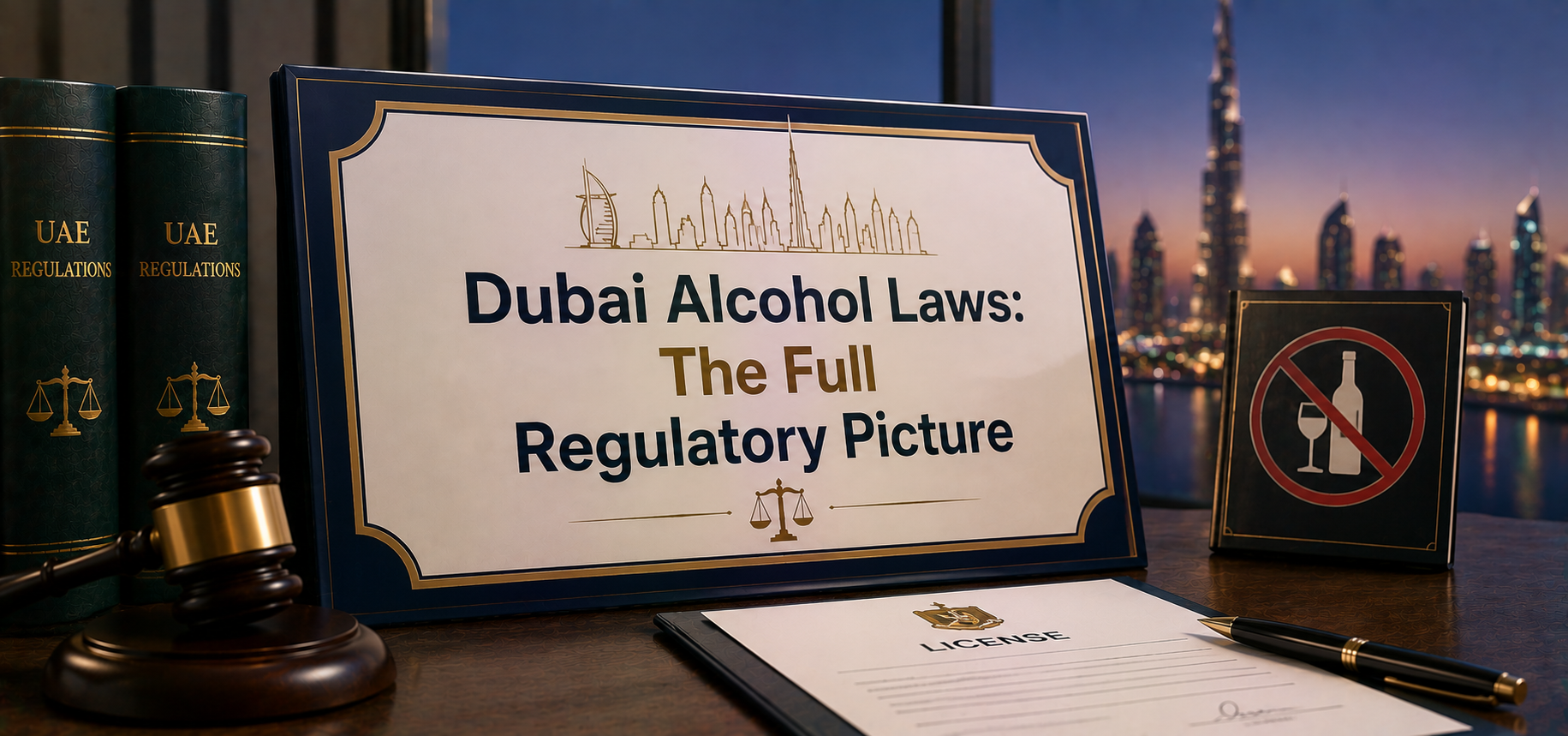
Dubai alcohol laws combine federal decriminalization in authorized places with emirate-level rules and strict commercial licensing. Dubai has a comparatively liberal system for personal consumption, but that does not permit public drinking, under-21 supply, or unlicensed sale, manufacture, transport, or distribution.
The practical position changes across emirate borders. A criminal defense lawyer in Dubai can advise on the applicable framework, while how to find the best family lawyers in Dubai depends on the nature of the matter. Issues such as asset freeze orders in the UAE and can a bank freeze my account without notice in the UAE may also vary according to the circumstances and applicable procedure. Dubai and Abu Dhabi use more permissive frameworks, while Sharjah maintains complete prohibition according to the source material. Individuals and businesses should therefore check both the activity and the emirate before relying
Quick Answer
Dubai alcohol laws allow consumption and possession in authorized places under the federal reform, while each emirate sets additional rules. Dubai no longer requires the former personal liquor licence for purchasing alcohol and permits licensed hotels, restaurants, bars, and retailers to operate. Public consumption outside a licensed venue or private home remains illegal, and alcohol must not be served or sold to anyone under 21.
Commercial activity remains strictly regulated. Unlicensed sale, manufacture, transport, or distribution carries a minimum AED 500,000 fine, possible imprisonment, confiscation, and venue closure. A non-citizen convicted of a serious alcohol-related offence may also face deportation depending on the circumstances. Sharjah maintains complete prohibition, so Dubai’s approach should never be assumed to apply across the UAE.
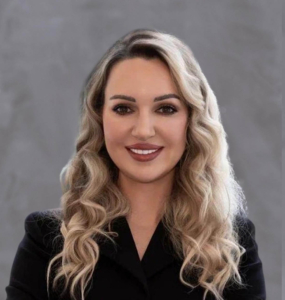
Ekaterina Butseva is the founder and partner at Leaders Advocates. She is a member of the International Bar Association and a foreign member of the American Bar Association, with a practice focused on complex litigation, dispute resolution, arbitration, and cross-border commercial matters relevant to alcohol licensing, venue compliance, cross-border business questions, commercial investigations, and related disputes.
The Federal Reform That Changed Everything
Alcohol regulation historically sat under the Penal Code, and a significant reform decriminalized consumption and possession specifically within authorized places. Crucially, the same reform delegated regulatory authority to each individual emirate, which is exactly why the practical experience of alcohol law varies so much depending on where in the UAE you actually are.
Dubai’s System Specifically
Dubai runs one of the country’s most liberal systems. Personal liquor licenses are no longer required the way they historically were, and licensed venues, hotels, restaurants, bars, and off license retail stores operate under a considerably eased regulatory structure.
Commercial licensing for businesses selling or serving alcohol remains genuinely strict, even as the personal consumption side has relaxed.
This Is Not a Single National System
Dubai
Among the most liberal, minimal restriction on personal consumption in licensed venues and private homes.
Abu Dhabi
Similarly liberal, personal license requirements significantly eased since the 2020 reform.
Sharjah
Complete prohibition, no sale, possession, or consumption permitted at all.
Planning to Serve or Sell Alcohol in Dubai?
Personal alcohol rules may be more relaxed, but commercial sale, service, transport, and event activity remain strictly regulated. Get the entity, premises, licence, supplier arrangements, and event plan reviewed before operating.
What Remains Firmly Illegal, Regardless of Emirate
Unlicensed Sale, Manufacture, Transport, or Distribution
Carries a minimum fine of AED 500,000, alongside possible imprisonment, confiscation, and venue closure.
Serving or Selling to Anyone Under 21
A firm, uniformly enforced age requirement.
Public Consumption Outside a Licensed Venue or Private Home
Remains illegal regardless of how liberal the specific emirate’s general approach is.
Deportation Risk for Non-Citizens
Beyond fines and potential imprisonment, a non-citizen convicted of a serious alcohol-related offence, running an unlicensed operation, for example, can face deportation depending on the specific circumstances involved.
Why This Genuinely Matters for a Business
For any business involved in serving, selling, or hosting events involving alcohol, Dubai’s licensing requirements need to be taken seriously even as the personal-consumption rules have relaxed.
A licensing gap, or hosting an unlicensed event, exposes a business to exactly the steep penalties that still apply on the commercial side.
How Dubai Alcohol Laws Divide Personal and Commercial Activity
The personal side of the framework concerns lawful purchase, possession, and consumption in authorized places. The commercial side concerns the business that sells, serves, manufactures, transports, distributes, or hosts alcohol-related activity. Relaxation on the personal side does not remove licensing duties from the business side.
An individual should ask where the alcohol was obtained, where it will be consumed, and whether the place is authorized. A business should ask which entity holds the relevant licence, which premises and activity it covers, who may be served, and whether a particular event or supply arrangement falls within that approval.
This distinction prevents a common mistake: treating the absence of the former personal purchase licence as proof that every commercial use is allowed. A customer rule and a venue’s regulatory permission answer different legal questions.
- Personal purchase and possession in accordance with the applicable emirate rules.
- Consumption only in an authorized place, licensed venue, or private home.
- Commercial sale or service only through the properly licensed business and premises.
- No supply to anyone under 21.
- No assumption that Dubai rules apply in Sharjah or another emirate.
Why Emirate Borders Matter for Alcohol Compliance
The federal reform left each emirate with authority to set its own regulatory rules. That is why a practice permitted in Dubai is not automatically permitted elsewhere. The destination, venue, and movement of alcohol should be checked as part of one plan rather than as separate assumptions.
Dubai operates one of the more liberal frameworks, and Abu Dhabi has also significantly eased personal licence requirements. Sharjah, by contrast, maintains complete prohibition on sale, possession, and consumption according to the source. These contrasts should be stated clearly because the practical rule changes with the emirate.
A business operating in several emirates should document where each venue, warehouse, event, customer service, and delivery activity occurs. Marketing or a central group policy should not imply that one emirate’s permission extends to every location in the UAE.
- Dubai: comparatively liberal personal rules and licensed commercial venues.
- Abu Dhabi: similarly liberal with significantly eased personal licensing requirements.
- Sharjah: complete prohibition under the source framework.
- Other locations: confirm the specific emirate rule before acting.
Activities That Remain Illegal or Strictly Controlled
Unlicensed sale, manufacture, transport, or distribution remains a serious offence. The source states a minimum fine of AED 500,000, possible imprisonment, confiscation, and venue closure. A business should not begin the activity while assuming that an application, another company’s licence, or a future approval is enough.
Serving or selling alcohol to anyone under 21 is prohibited. The venue should have an operational method for checking age and handling uncertainty. Staff instructions should be consistent across bars, restaurants, retail counters, events, and any other customer-facing point.
Public consumption outside a licensed venue or private home remains illegal. A licensed purchase does not authorize consumption in every public place. Consumers and event organizers should separate the lawfulness of obtaining alcohol from the lawfulness of the place and manner of consumption.
- Unlicensed sale, manufacture, transport, or distribution.
- Serving or selling to a person under 21.
- Consumption in public outside a licensed venue or private home.
- Using a licence for a different entity, premises, event, or activity without confirmation.
- Moving alcohol into an emirate whose rules do not permit it.
Building an Alcohol Licensing File for a Dubai Business
The compliance file should identify the legal entity, licensed premises, approved activity, responsible managers, suppliers, and the way alcohol reaches the customer. Hotels, restaurants, bars, retailers, and event hosts may have different operating models, so the file should describe the actual business rather than rely on a general hospitality label.
Contracts with venues, suppliers, event partners, and service providers should match the licensing plan. If one party supplies the alcohol and another hosts or serves it, the agreement should state each role and should not hide a regulatory gap behind commercial wording.
Keep the relevant approvals, renewal dates, premises information, staff instructions, and any event-specific documentation in one controlled location. Management should be able to show what activity was approved and how the business prevents under-age service and unauthorized sale or consumption.
- The licensed company and exact premises covered.
- The approved sale, service, retail, transport, or event activity.
- Supplier and venue agreements reflecting the same operating model.
- Age-checking and refusal procedures for staff.
- Renewal, inspection, incident, and regulator communication records.
Alcohol at Events, Promotions, and Temporary Venues
An event should not be treated as an exception to commercial licensing. Before advertising alcohol service, identify the venue, licensed entity, supplier, service team, expected guests, age-control method, and the approval said to cover the particular event.
Promotional language should reflect the permitted arrangement. A ticket, invitation, sponsor agreement, or free-drink offer can still depend on regulated supply and service. Calling alcohol complimentary does not answer whether the venue and business are authorized to provide it.
The event file should assign responsibility for stock, storage, service, refusal, incident reporting, and end-of-event handling. A written division of tasks helps the venue and organizer identify a gap before opening rather than after an inspection or complaint.
Hosting an Alcohol-Related Event in Dubai?
Before advertising or serving alcohol, confirm which entity and premises are licensed, who is supplying and serving, how age checks will work, and whether the event itself falls within the approved activity.
Responding to a Suspected Alcohol Licensing Breach
If a business identifies a possible gap, it should preserve the licences, contracts, stock and sales records, staff instructions, and regulator communications relevant to the event or activity. Do not rewrite records or create a backdated explanation. A reliable chronology should distinguish confirmed facts from assumptions.
Identify whether the issue concerns the entity, premises, activity, customer age, public consumption, or movement between emirates. The legal assessment should then address the exact suspected breach and the source of the AED 500,000 minimum fine, imprisonment, confiscation, closure, or other exposure described in the source.
Non-citizens should also obtain advice on deportation risk where a serious alcohol-related offence is alleged. The source does not state that deportation follows every case. It says the risk depends on the offence and circumstances, so the advice must remain fact-specific.
- Stop any continuing activity that is not clearly covered while advice is obtained.
- Preserve the license, contracts, sales, stock, and staff records.
- Record the date, location, people involved, and what was supplied or served.
- Identify the emirate and exact authority or license involved.
- Obtain advice before responding to an investigation or formal notice.
Operating a venue or planning an alcohol-related event in Dubai? Ekaterina Butseva and the team at Leaders Advocates can review the entity, premises, license, contracts, event plan, and response strategy for a suspected compliance issue.
Common Mistakes
- Assuming Dubai’s liberal approach applies uniformly across the UAE, when Sharjah specifically maintains complete prohibition.
- Treating commercial licensing as a formality when unlicensed operation carries genuinely steep penalties.
- Not accounting for deportation risk alongside the criminal penalty for a serious alcohol-related offense.
- Assuming an application or another party’s license authorizes the business to begin serving or selling.
- Advertising an alcohol-related event before confirming the licensed entity, premises, and activity.
- Using the word “complimentary” to avoid checking the legal basis for supply and service.
Relevant Legal Services
A Corporate Lawyer in Dubai can review the licensed entity and commercial structure. A Criminal Defense Lawyer in Dubai can advise where an alcohol-related offence is alleged. A Litigation Lawyer in Dubai can manage contested regulatory or commercial proceedings.
People Also Ask
Conclusion
Dubai alcohol laws are liberal only within defined personal and licensed settings. Businesses must confirm the entity, premises, activity, age controls, and emirate before serving or selling, because unlicensed commercial activity remains subject to severe penalties.
Facing an Alcohol Licensing or Compliance Issue in the UAE?
Unlicensed sale, service, transport, distribution, or cross-emirate activity can create serious exposure. Ekaterina Butseva and the Leaders Advocates team can review the licence, contracts, records, location, and response strategy for a suspected breach.