

What is doxxing? It is the public exposure of private identifying information, such as an address, telephone number, photographs, or private messages, without permission and often to intimidate, embarrass, or harm the person concerned.
In the UAE, the immediate response should focus on evidence, safety, and formal reporting. A cybercrime lawyer in Dubai can advise on defamation law in the UAE, including is defamation a crime in the UAE and who is the best defamation lawyer in Dubai for the circumstances. Waiting, negotiating directly, or relying only on a platform complaint can allow evidence to disappear and the situation to escalate.
Quick Answer
If you have been doxxed in the UAE, preserve screenshots, links, profile details, comments, dates, and exact timestamps before content is deleted or changed. Do not respond directly to the person responsible, particularly where threats or demands are involved.
Report the matter through the Dubai Police E-Crime portal in Dubai or the relevant cybercrime channel in another emirate. Article 44 of Federal Decree-Law No. 34 of 2021 treats publication of private information without consent as a criminal matter, not only a platform-policy issue.
Article 44 carries imprisonment and a fine of AED 150,000 to AED 500,000. Where the material was altered specifically to damage or abuse the victim, the penalty increases to a minimum of one year’s imprisonment. Blackmail should be reported urgently without sending money.
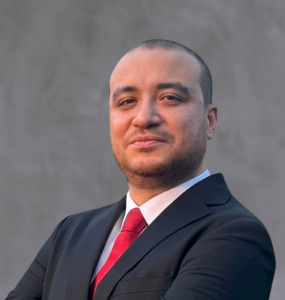
Faris Raian is the founder, managing partner, and senior legal consultant at Leaders Advocates. He brings more than 15 years of experience across commercial, corporate, real estate, family, and criminal law in UAE courts, with experience relevant to cybercrime complaints, criminal procedure, and urgent online privacy matters.
Step 1: Preserve Everything Before It Disappears
Screenshot the post, profile, comments, and URL. Record the date and exact time. If the information is spreading across multiple platforms, capture each appearance separately.
This matters because content can be deleted either by the platform or by the person who posted it. Evidence available now may become impossible to recover later.
Keep the original material wherever possible. Avoid editing screenshots or adding marks that obscure usernames, timestamps, URLs, or other identifying information.
Step 2: Don’t Engage Directly
It may be tempting to message the person responsible and demand that the information be removed. Direct engagement, however, can escalate the situation.
This is particularly important where threats, blackmail, or demands for money are involved. Preserve the communications instead of trying to negotiate privately.
Step 3: Report It as a Crime
Doxxing should not be treated only as a platform terms-of-service problem.
Publishing someone’s private information without consent can fall within Article 44 of the UAE Cybercrime Law.
The reporting routes include:
- Dubai: Dubai Police E-Crime portal.
- Other emirates: The relevant local police cybercrime channel.
- Online platform: Report the content through the platform’s privacy or harassment process alongside the police complaint, not instead of it.
Step 4: Understand the Article 44 Penalties
Publishing private information without consent carries imprisonment and a fine of AED 150,000 to AED 500,000 under Article 44.
Where the material has been altered or edited specifically to damage or abuse the victim, the stated penalty increases to a minimum of one year’s imprisonment.
The issue is not limited to false information. Accurate private information may still create legal consequences when published without consent in circumstances covered by the law.
Has Your Private Information Been Exposed Online?
Doxxing can escalate quickly when personal details, photographs, messages, or contact information are published without consent. Our team can help you preserve the right evidence, understand the reporting route, and take appropriate legal action under UAE cybercrime law.
If Blackmail Is Also Involved
Where someone threatens to release additional information unless you pay money or comply with another demand, treat the situation urgently.
Preserve every message and demand. Do not send money or negotiate privately. Report the blackmail directly to the police.
Keep any payment instructions, bank details, wallet addresses, phone numbers, usernames, emails, voice notes, and other identifiers connected to the demand.
What Is Doxxing Under UAE Law?
A single screenshot may show what was published without establishing who posted it, where it appeared, or when it was available.
A stronger evidence record connects the content to:
- The account and username.
- The platform.
- The complete post or message.
- The URL.
- The date and exact time.
- Relevant comments and replies.
- Reposts or copied versions.
- Threats or blackmail messages.
- A short timeline explaining how the situation developed.
Where the information appears on several platforms, document each appearance separately.
Report to the Police and the Platform on Separate Tracks
A platform complaint and a police report serve different purposes.
The platform can address removal and account restrictions under its own policies. The police address the alleged criminal conduct under UAE law.
When reporting, clearly state whether the exposure is continuing, whether additional publication has been threatened, and whether the person responsible has demanded money or another action.
Continue preserving evidence after the initial report. If the account changes its username, creates another profile, deletes posts, republishes the information, or sends further threats, add those developments to the same timeline.
Why Truth and Public Location Do Not End the Issue
A common misconception is that no offence can arise if the exposed information is accurate.
The relevant issue is not simply whether the information is true. Private information published without consent can still raise liability under the UAE framework described above.
Likewise, a person should not assume that taking a photograph in a public location creates unrestricted permission to identify, expose, or target someone online.
Where content has been manipulated or altered to damage or abuse the person, preserve both the altered material and any original version available.
Safety Steps When Doxxing Includes Threats or Blackmail
Doxxing can create additional risks when the information exposed includes a home address, telephone number, workplace, family details, private correspondence, or financial information.
Being Threatened With More Private Information Being Released?
Where doxxing includes threats, blackmail, or demands for money, preserving every message before responding is critical. Leaders Advocates can review the evidence, help identify the appropriate police reporting route, and advise on the next legal steps.
Take proportionate protective measures while preserving evidence:
- Tell trusted people or workplace security where there is a genuine safety concern.
- Review privacy settings and change compromised passwords.
- Enable additional account security where available.
- Do not delete evidence while securing accounts.
- Avoid clicking links or downloading files sent by the person responsible.
- Preserve fake profiles, impersonation accounts, and repeated publication.
- Keep the police reference number and record further contact after reporting.
What to Expect After the Initial Doxxing Report
Police may request the evidence you preserved, details of the accounts involved, information about how the private material was obtained, and records of any threats or demands.
Provide confirmed facts without guessing the identity of the person responsible where that identity remains uncertain.
A platform may remove the material while the criminal complaint remains active. Keep the removal notification as well as the original evidence showing what was previously published.
Where the exposure has caused compensable harm, a separate compensation route may also need to be considered. Keep evidence relating to the criminal complaint, platform action, and claimed harm organised separately.
Dealing with doxxing or cyber blackmail? Faris Raian and the team at Leaders Advocates can help organise the evidence, identify the appropriate reporting route, and pursue the available response.
Common Mistakes
- Waiting to see whether the situation disappears on its own while evidence is being deleted.
- Engaging directly with the person responsible and escalating the situation.
- Assuming nothing can be done because the exposed information is accurate.
- Blocking or deleting an account before preserving the post, profile, URL, and timestamp.
- Treating a platform complaint as a substitute for reporting the matter through the appropriate police cybercrime channel.
Relevant Legal Services
A Cybercrime Lawyer in Dubai can assist with online evidence and the complaint. A Criminal Defense Lawyer in Dubai can address threats, blackmail, and criminal procedure. A Litigation Lawyer in Dubai can advise on formal proceedings and compensation strategy.
People Also Ask
Conclusion
What is doxxing? In the UAE, it is a serious online privacy and cybercrime issue that calls for immediate evidence preservation, limited direct contact, and prompt reporting through the appropriate police channel.
Where threats or blackmail accompany the exposure, the priority should be preserving the complete record and reporting the matter rather than attempting to resolve it privately.
Need Help Reporting Doxxing in the UAE?
A strong complaint starts with properly preserved posts, URLs, profiles, timestamps, messages, and evidence of how the information spread. Faris Raian and the team at Leaders Advocates can help organize your evidence and assess the available criminal and compensation routes.