


A damaging statement may be a social-media post, WhatsApp message, review, video, workplace allegation, printed publication, or spoken accusation. The legal route changes with the medium, audience, words, context, privacy issues, and timing. A lawyer who starts with reputation management but misses the criminal complaint deadline can weaken an otherwise strong case.
The person accused faces a different but equally urgent risk. Deleting content, contacting the complainant, publishing a counterattack, or assuming truth is a complete defence can create new evidence or offences. A criminal defense lawyer in Dubai should first preserve the record and assess whether the facts fall within defamation and insult under the UAE crimes and penalties law publicity method and aggravating circumstances or the broader rules on defamation insult and disclosure under the UAE crimes and penalties law, rather than promise a result from a screenshot alone.
Quick Answer
The best Dubai defamation lawyer for a particular case is one who identifies whether the conduct falls under the Crimes and Penalties Law, Cybercrime Law, or privacy rules; protects the three-month complaint deadline where applicable; preserves admissible evidence; and can coordinate criminal and civil strategy. Faris Raian’s cross-disciplinary UAE experience is relevant to that assessment.
Choose by the work the file requires. Ask the lawyer to classify the exact words and medium, calculate the complaint date, identify preservation steps, explain police and prosecution procedure, assess any lawful defence, and define whether a separate civil compensation claim is realistic.
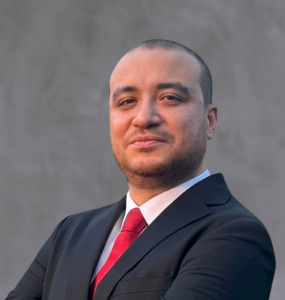
Faris Raian is the founder, Managing Partner, and Senior Legal Consultant at Leaders Advocates, with more than 15 years of UAE legal experience across criminal, corporate, commercial, family, real-estate, and cyber-related matters. That breadth is directly relevant to defamation: the correct strategy may require criminal procedure, digital evidence, privacy analysis, corporate reputation management, and a separate civil compensation claim. The value is in identifying the governing route before a deadline or public response changes the case.
Ekaterina Butseva is the Founder and Partner at Leaders Advocates. She is a member of the International Bar Association and a foreign member of the American Bar Association, with a practice focused on complex litigation, dispute resolution, and cross-border matters relevant to reputation, privacy, digital evidence, and defamation disputes.
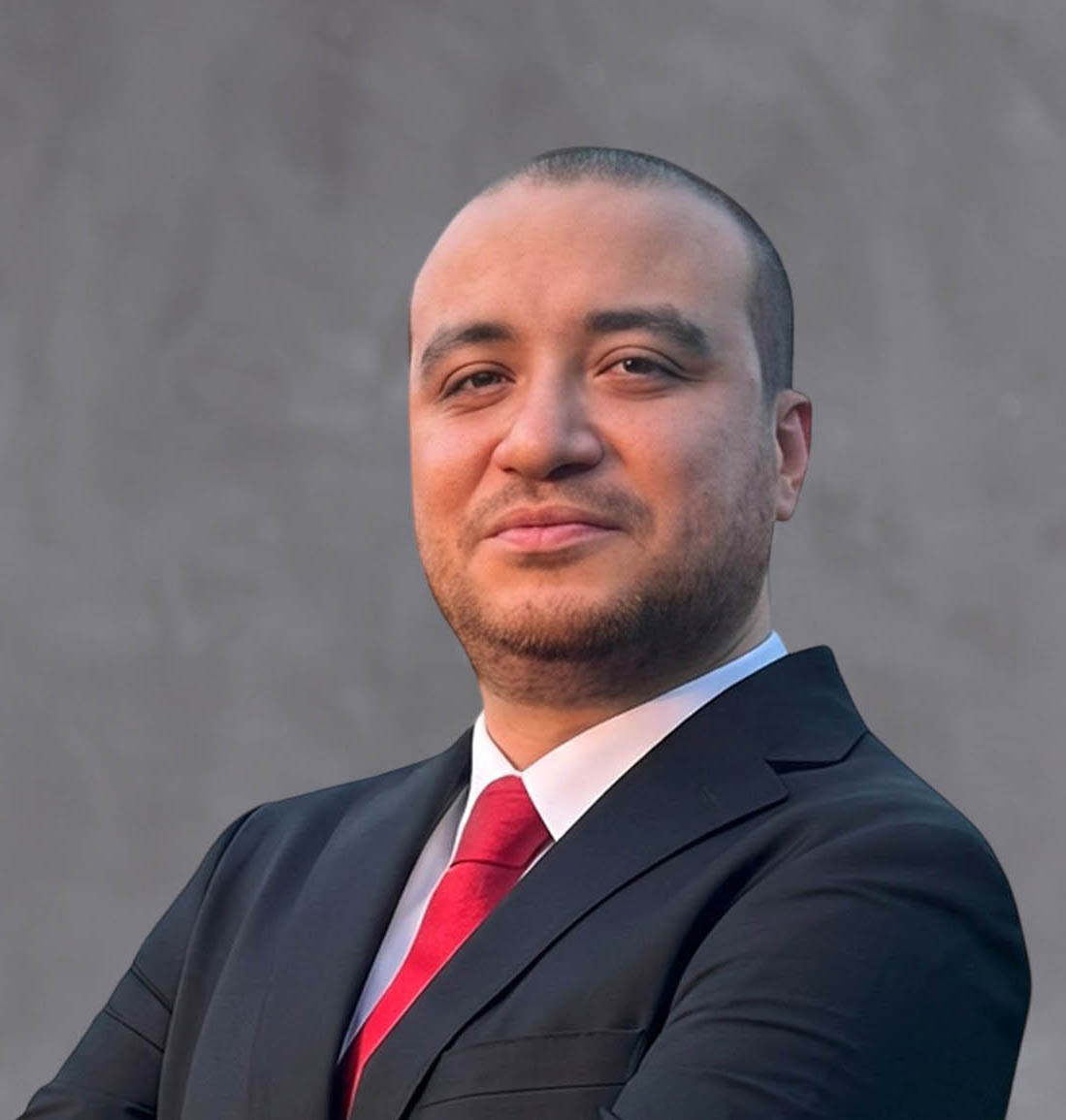
Faris Raian
Defamation Lawyer
Advising clients on defamation, online accusations, cybercrime allegations, privacy issues, digital evidence, criminal complaints, and related civil claims in Dubai.

Ekaterina Butseva
Defamation & Dispute Lawyer
Handling complex defamation disputes, privacy and reputation matters, cross-border litigation, digital evidence, dispute resolution, and civil compensation claims.
The First Question Is Online or Offline
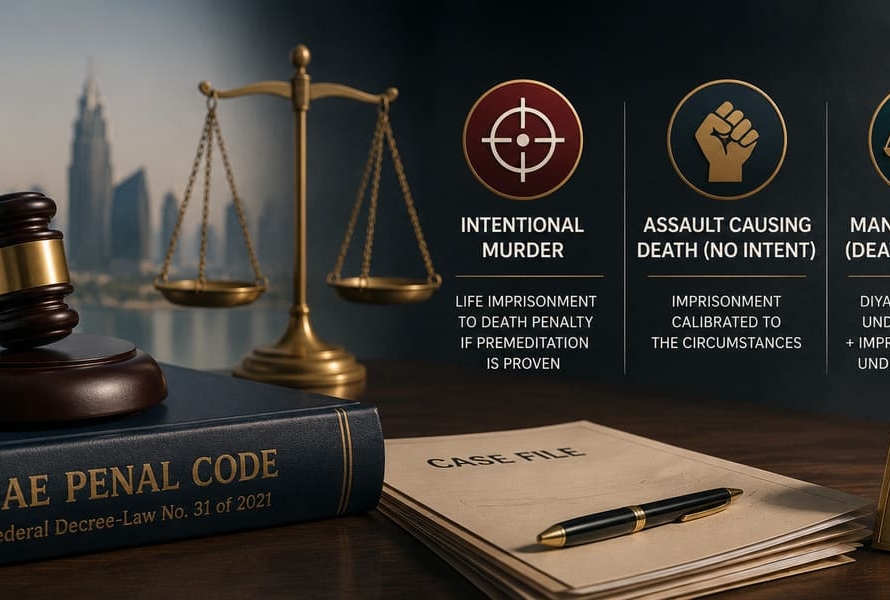
Federal Decree-Law No. 31 of 2021 Promulgating the Crimes and Penalties Law addresses traditional defamation and insult.
Article 425 concerns publicly attributing a specific fact that would expose another person to punishment or contempt.
Article 426 concerns a public insult that harms honour or dignity without attributing a specific fact.
Article 427 differentiates telephone, face-to-face, and private-message situations.
Federal Decree-Law No. 34 of 2021 on Countering Rumours and Cybercrimes applies where an information network, information-technology equipment, or an information system is used.
Article 43 addresses online defamation and slander and provides imprisonment and/or a fine from AED 250,000 to AED 500,000. An offence against a public official or public-service appointee connected with work is an aggravating circumstance.
The distinction is not always as simple as public post versus spoken words. An email, group message, online review, shared recording, repost, or digital image may trigger cybercrime analysis.
A single episode can also raise privacy, threat, impersonation, false-news, employment, or commercial issues. The lawyer should identify the conduct precisely instead of using “defamation” as an all-purpose label.
Privacy Can Matter Even When Content Is True
Article 44 of the Cybercrime Law addresses invasion of privacy through specified electronic conduct, including recording, transmitting, revealing, copying, or publishing certain material without consent or lawful authority.
It also addresses publishing true news, images, scenes, comments, data, or information with intent to harm a person. Truth therefore is not a universal licence to publish private material online.
Need Fast Advice About a Defamation Complaint in Dubai?
Defamation cases can turn on the exact words, medium, audience, privacy issues, and complaint deadline. Our team can review the communication, preserve the evidence, and identify the correct criminal or cybercrime route before important time is lost.
Under the Crimes and Penalties Law, Article 428 permits proof of truth in a limited context: the attributed fact must concern a public official or person entrusted with a public service and be connected with that function or service, subject to the article’s restrictions.
Article 429 protects oral or written party defence before courts or investigating authorities within the limits of the right of defence.
Article 430 protects good-faith reporting to competent authorities.
A careful lawyer tests whether the statement was a specific factual allegation, an insult, a private communication, a lawful complaint, protected litigation defence, or an unauthorised privacy intrusion.
The analysis considers exact wording, audience, intent, context, identification of the person, and method of communication.
Removing a name does not necessarily prevent identification if readers can recognise the person from surrounding details.
The Complaint Deadline Must Be Protected
Federal Decree-Law No. 38 of 2022 Promulgating the Criminal Procedures Law requires complaint-based offences to be reported within three months from the victim’s knowledge of both the crime and the perpetrator, unless another rule applies.
Defamation and insult are among the complaint-based categories.
The date of publication and the date the account holder was identified may be different.
A lawyer should record:
• The first date the content was seen.
• When its meaning and audience were known.
• When the responsible person was identified.
Reposting, continuing publication, anonymous accounts, and later discovery can complicate the analysis. They should not be used casually to assume the deadline restarted.
File through the competent route while preserving arguments and evidence.
The criminal complaint normally begins with police or an authorised digital channel and may move to Public Prosecution and criminal court.
A civil damages claim serves a different purpose.
It should not be assumed that a criminal fine is paid to the complainant or that a police report automatically produces compensation. The two tracks must be planned consistently.
Evidence a Defamation Lawyer Should Preserve
A screenshot is useful but often incomplete.
Preserve:
• The full page or conversation.
• URL.
• Username.
• Account profile.
• Timestamps.
• Message headers.
• Original media.
• Captions.
• Comments.
• Audience.
• Sharing history.
• The device on which it was received.
Record how the content was accessed without hacking, impersonation, or another unlawful step.
For spoken defamation, identify the exact words, date, location, people present, language, and immediate reactions.
Witnesses should preserve independent recollections rather than coordinate a group version.
For a business, keep customer communications, cancelled orders, internal escalation records, and financial evidence that may later support causation and loss.
Non-Arabic evidence may require certified Arabic translation for the UAE process.
Slang, sarcasm, emojis, voice notes, and culturally specific phrases need context, but the translation should remain faithful rather than become advocacy.
Where deletion is likely, prompt lawful preservation may matter more than producing a polished chronology on the first day.
What to Look for When Choosing the Lawyer
Ask the lawyer to explain the likely article and why.
A strong answer distinguishes:
• A specific accusation from a general insult.
• Electronic from non-electronic communication.
• Publicity from a private message.
• Reputation from privacy.
It should also identify uncertainty.
A lawyer who guarantees the classification before reviewing the exact content is skipping the most important work.
Confirm who will handle:
• Police contact.
• Public Prosecution.
• Criminal court.
• Civil court.
• Appeals.
• Translation.
• Digital evidence.
Legal consultancy, advocacy rights, and rights of audience depend on professional registration and the forum.
The engagement letter should identify the responsible professional, scope, fees, exclusions, communication method, and urgent response arrangements.
Look for a strategy that protects the client without escalating the publication.
Depending on the facts, the plan may include:
• A complaint.
• Defence submission.
• Evidence preservation.
• Carefully drafted cease-and-desist communication.
• Platform process.
• Negotiation.
• Civil claim.
• Internal corporate response.
Not every case needs every step, and a public statement can sometimes increase exposure.
For Complainants: Build the Case Before Reacting
Identify the exact content and why it is unlawful.
Show who understood it to refer to you, how it was communicated, and when you learned the actor’s identity.
Preserve emotional and commercial impact, but separate genuine evidence from understandable anger.
The strongest complaint is chronological and tied to the statutory elements.
Do not demand money in language that could be characterised as a threat or extortion.
Settlement communication should be legally controlled and should distinguish:
• Content removal.
• Non-repetition.
• Apology.
• Confidentiality.
• Costs.
• Any release of civil or criminal rights.
Some criminal complaint rights and Public Prosecution powers cannot be treated like an ordinary private invoice.
If safety, stalking, threats, impersonation, hacking, or disclosure of intimate material is involved, tell the lawyer immediately.
Those facts can change urgency and legal classification.
A narrow defamation complaint may not protect the client adequately if the real problem is a broader course of cyber or personal misconduct.
For Accused Persons: Preserve Context and Avoid Retaliation
Do not delete the original material or manufacture a new explanation.
Preserve the full conversation, source documents, instructions, review process, audience settings, and any lawful basis for the communication.
Removing continuing content may be sensible, but evidence preservation should be planned first where possible.
Do not contact the complainant impulsively or post a counter-allegation.
Has Someone Damaged Your Reputation Online or on WhatsApp?
Screenshots alone may not be enough. URLs, account details, timestamps, original media, audience, and the date you identified the publisher can all matter. Leaders Advocates can help secure the record and assess the available complaint and compensation options.
A sincere corrective step may help in the right case, but a poorly drafted apology can be treated as an admission, while a threatening response can create a new allegation.
Obtain advice on whether and how to communicate.
Possible arguments may concern:
• Identification.
• Authorship.
• Meaning.
• Audience.
• Lack of the statutory element.
• Lawful authority.
• Good-faith reporting.
• Litigation defence.
• Evidence integrity.
They are fact-specific.
The limited truth provision for public-official conduct and the separate privacy rules mean that “but it was true” should never be the entire defence strategy.
Need a rapid defamation assessment in Dubai? Leaders Advocates can classify the communication, protect the complaint deadline, preserve digital or witness evidence, and coordinate criminal, privacy, civil, and reputation strategy.
Common Mistakes
• Waiting for a post to spread further before calculating the three-month complaint deadline.
• Saving only a cropped screenshot without the URL, account, timestamp, context, or original file.
• Assuming truth is a complete defence to every defamation, insult, or privacy allegation.
• Replying publicly with insults, threats, or repeated allegations.
• Choosing a lawyer without confirming court representation, cybercrime evidence, and civil-claim scope.
• Treating a criminal fine as automatic compensation payable to the victim.
Relevant Legal Services
A Criminal Defense Lawyer in Dubai can advise during police, Public Prosecution, criminal court, and appeal stages.
A Litigation Lawyer in Dubai can coordinate civil compensation, urgent measures, corporate reputation disputes, and enforcement.
People Also Ask
Conclusion
The right Dubai defamation lawyer is selected by method, deadline, evidence, forum, and remedy, not a marketing superlative.
Early classification protects the criminal complaint and prevents a damaging response. Faris Raian’s broad UAE practice is relevant where cybercrime, criminal procedure, privacy, business reputation, and civil recovery overlap.
Accused of Defamation, Insult, or a Privacy Violation?
Deleting content, contacting the complainant, or posting a counterattack can make the situation worse. Faris Raian, Ekaterina Butseva, and the Leaders Advocates team can review the full context, evidence, possible defences, and criminal and civil exposure before you respond.
2 Comments