

Cracks, leaks, or failed installations may leave you facing repair costs and uncertainty about who is responsible. You need advice before repairs remove evidence or a notice deadline passes.
Finding the “Who is the Best Construction Defects Lawyer in Dubai” means assessing suitability for your particular dispute. A promotional label does not establish expertise, responsibility for the defect, or the prospects of recovery.
Quick Answer
Choose a construction defects lawyer who can analyze the contract, coordinate suitable experts, identify responsible parties, and explain costs and recovery risks. No marketing claim establishes that one lawyer is best for everyone. Preserve evidence before nonurgent repairs and obtain urgent safety advice where necessary. Ask counsel to distinguish ordinary defects from conditions potentially covered by statutory structural liability.
The right strategy depends on the facts, project documents, expert findings, applicable law, and relevant deadlines.
Solution
Collect the contract, drawings, inspection records, photographs, notices, and payment documents. Record each defect, when it appeared, and what work has already been done.
Ask prospective counsel for a proposed first stage of work. It should address safety, evidence preservation, technical assessment, potential defendants, and deadlines before recommending proceedings or a negotiated repair plan.
Assessing the Best Construction Defects Lawyer in Dubai
The strongest choice for your matter should be able to explain the link between the technical problem and the legal claim. Relevant experience must be tested against the project and dispute.
Ask about comparable work, the proposed team, and how experts are instructed. A general litigation background may help, but it does not replace understanding construction records and responsibility.
Avoid relying on online prominence alone. Verify relevant professional authorization and ask who will perform the advice, representation, and technical coordination.
Test how the lawyer works with experts
An independent engineer can investigate the cause, extent, and significance of the alleged defects. A quantity surveyor may help assess repair costs or disputed valuations.
Ask what the expert will inspect, which documents are needed, and how the report will distinguish observation from assumption. The instructions should not predetermine the conclusion.
Discovered Construction Defects in Your Dubai Property?
Cracks, water leaks, defective installations, or poor workmanship can lead to expensive repairs and legal disputes. Leaders Advocates can review your construction contract, defect evidence, contractor obligations, and available legal remedies.
Separate different types of defects
- Cosmetic defects may affect appearance without compromising function or structural safety.
- Functional defects may prevent a system or component from performing as required.
- Structural or safety-related defects require appropriate technical assessment and may engage additional legal rules.
These categories help organize the review, but the label is not decisive. A visible crack can have several causes, and a seemingly minor symptom may require deeper investigation.
A private report does not bind the court. Counsel should also explain the possible role of a court-appointed expert and how the client’s evidence will be presented.
Relying on a court expert is not inherently poor practice. The right approach depends on urgency, existing evidence, proportionality, and the forum.
Identify who may be responsible
Defects can arise from design, supervision, execution, materials, maintenance, or later alterations. Several parties may have different responsibilities for the same project.
Read the actual appointments and construction contract. A company’s name on a drawing does not by itself establish the full scope of its obligations.
Articles 821 and 822
Article 821 of Federal Decree-Law No. 25 of 2025 addresses ten-year joint liability involving contractors and engineers for qualifying buildings and fixed installations.
The provision concerns total or partial collapse and qualifying defects threatening structural strength or safety. It should not be described as a ten-year guarantee covering every snag or cosmetic complaint.
Article 822 distinguishes engineers’ responsibilities according to their role. A design-only engineer is responsible for attributable design defects. An engineer supervising execution may be jointly liable with the contractor for execution defects arising under that supervision.
Distinguishing design defects from execution defects under supervision is essential. Confirm the statutory conditions against the appointment, evidence, and applicable version of the law.
A contractual defects period and a statutory liability period are different concepts. The existence of a ten-year regime does not mean a claimant can safely wait ten years to start proceedings.
Ask counsel to check the applicable claim deadline and the significance of completion, delivery, discovery, and earlier events. Transitional questions matter where the project predates the new law.
Read the contract before recommending a claim
The contract can determine important duties, notice requirements, and dispute procedures. Review amendments and incorporated terms alongside the main agreement.
- Scope of work, specifications, drawings, and approved materials.
- Design responsibility and obligations to supervise or inspect.
- Completion, handover, and acceptance documents.
- Defects notification and repair procedures.
- Retention, guarantees, bonds, and any checks held as security.
- Variation approval and changes to the original design.
- Dispute resolution clauses and preliminary steps.
A standard-form label does not establish the final terms. Particular conditions and amendments may change the procedure significantly.
Signing a handover document can affect the evidential picture, but its legal consequences require examination. Do not assume it either removes every claim or has no significance.
Preserve evidence before the condition changes
Document the defect before nonurgent repair work where practicable. Keep dated photographs, video, plans marking the location, and a record of when symptoms appeared.
Where safety is threatened, obtain urgent professional assistance and make the site safe. Evidence preservation should not delay necessary protective action.
If emergency work changes the condition, retain the repairer’s report, invoices, and photographs. Preserve removed materials where safe, lawful, and useful for assessment.
Invite appropriate inspection through counsel where this helps avoid disputes about access or altered evidence. Keep records of invitations, attendance, and any refusal.
Do not enter restricted areas or obtain documents unlawfully. Discuss lawful methods of inspection and disclosure if another party controls the relevant evidence.
Practical steps during the first week
- Assess immediate safety and whether the property can remain occupied.
- Gather the contract, consultant appointments, drawings, and handover records.
- Create a defect list with locations, dates, and photographs.
- Identify previous repairs, maintenance, and changes by other contractors.
- Review notice requirements and send an appropriately supported notification.
- Arrange a suitable technical assessment where required.
- Estimate urgent protective costs separately from permanent repairs.
- Obtain advice on forum, deadlines, and potential defendants.
Ask for a written explanation of what needs action now and what can wait for further evidence. An immediate court claim is not always the most effective first step.
Documents and records needed
The lawyer and expert should receive the same core records, with missing documents clearly identified. Conflicting versions of drawings or specifications can change the analysis.
Project records
Provide contracts, appointments, approved drawings, specifications, variations, and relevant authority approvals. Include inspection requests, test results, site instructions, and completion documents.
Defect records
Provide photographs, complaints, contractor responses, earlier expert reports, and maintenance logs. Identify whether the condition changes with weather, occupancy, or use.
Financial records
Provide payment certificates, invoices, retention calculations, guarantees, and repair estimates. Keep records of temporary accommodation or other claimed consequences where relevant.
The claimed cost should reflect work reasonably connected to the defect. Separate necessary restoration from upgrades or improvements that the owner wanted independently.
Concerned About Structural Defects or Contractor Liability?
Serious structural defects may raise questions about contractor and engineer responsibility under UAE construction law. Get advice on Articles 821 and 822, expert inspections, statutory liability, contractual warranties, and applicable claim deadlines.
Compare costs and practical recovery
Ask for a staged budget covering legal work, engineers, quantity surveying, court or arbitration fees, and enforcement. Identify which costs may change after inspection.
Discuss the potential defendant’s position and any relevant guarantee or insurance. The existence of a policy does not establish that the particular loss is covered.
A substantial judgment may still require enforcement against available assets. Counsel should explain recoverability without promising a particular collection result.
Consider whether a monitored repair agreement is more useful than damages alone. The agreement should specify the work, access, completion dates, quality checks, and consequences of nonperformance.
Common warning signs
- Promising a particular award before reviewing the evidence.
- Treating every defect as a structural warranty claim.
- Filing without examining the contract and dispute clause.
- Dismissing alternative causes without technical analysis.
- Giving no explanation of deadlines or required notices.
- Quoting fees that omit experts and enforcement without making that exclusion clear.
- Advising unnecessary delay despite worsening damage.
- Describing qualifications or case outcomes that cannot be substantiated.
Ask the lawyer to identify the weakest part of your claim. The answer should refer to your evidence, rather than rely on confidence or general reputation.
How legal experience should connect to your project
Construction claims need coordinated legal and technical work. The lawyer’s role includes identifying the issues, instructing experts appropriately, and presenting the evidence under the correct procedure.
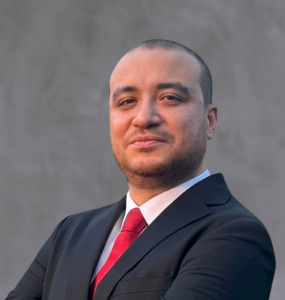
Faris Raian is described by Leaders Advocates as having experience in UAE litigation and construction-related contract disputes. For a defects matter, the relevant questions concern contractual responsibility, evidence, and available remedies.
He and the team can assess the specific project records. Ask who will handle technical coordination and any court representation in your matter.
Ekaterina Butseva is described by the firm as working on construction dispute strategies, cross-border contract claims, and arbitration. That background may be relevant where a project involves international parties or an arbitration clause.
Discuss how the proposed role matches your contract, language needs, and forum. The profile is not a ranking or a guarantee of success in a particular defects claim.
Relevant Legal Services
- Construction Lawyers Dubai can assess project obligations, defects, notices, and technical evidence.
- Litigation Lawyers in Dubai can advise on court proceedings, expert reports, and enforcement.
- Arbitration Lawyers in Dubai can review contractual arbitration requirements and the appropriate dispute process.
Relevant Success Story
The firm’s Success Stories page includes a reported successful defense of a construction dispute. It provides a relevant construction example without establishing that the underlying matter concerned the same defects.
Every matter depends on its facts, documents, expert evidence, and legal circumstances. A previous outcome does not guarantee a similar result.
Frequently Asked Questions
Final Takeaway
Choose counsel by the quality of the proposed legal and technical assessment. Preserve evidence and check deadlines before the condition changes. The correct claim, responsible parties, and realistic remedy depend on the facts, documents, and expert findings.
Contractor Refusing to Repair Defects or Pay Compensation?
Faris Raian, Ekaterina Butseva, and the Leaders Advocates team can assess technical reports, repair estimates, contractual notices, and dispute-resolution clauses to explore negotiated repairs, compensation claims, litigation, or arbitration.