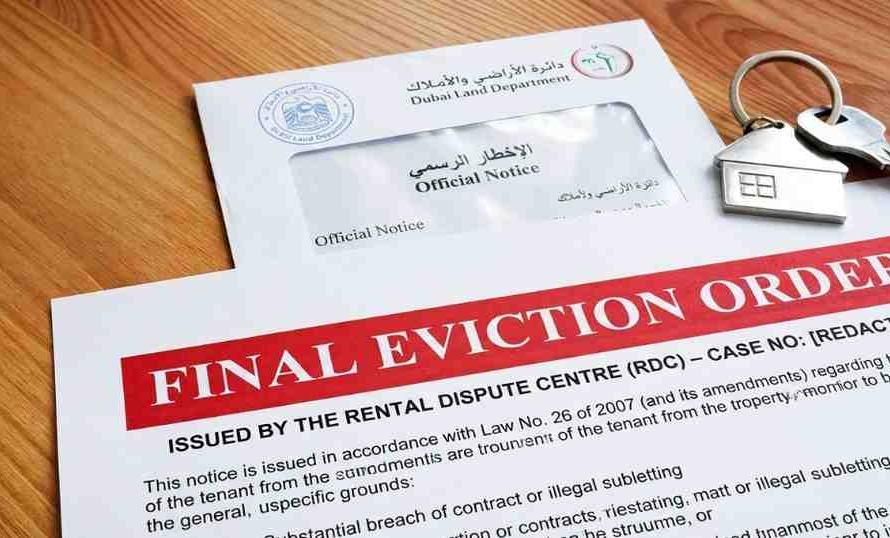




A landlord may face unpaid rent, unauthorized subletting, property damage, or a tenant who remains after a lawful notice. A procedural mistake can weaken an otherwise strong claim.
Finding the best landlord lawyer in dubai for rental disputes therefore requires more than rankings. The lawyer must match the facts to Dubai law and the correct RDC procedure.
Quick Answer
There is no official ranking that identifies the best landlord lawyer in dubai for rental disputes. Choose counsel by testing relevant experience. The lawyer should understand Law No. 26 of 2007, as amended by Law No. 33 of 2008, and RDC procedure under Decree No. 26 of 2013.
Ask how they handle 30-day nonpayment notices, Article 25 eviction grounds, 12-month expiry notices, rent recovery, damage evidence, and enforcement. Overseas owners should also check power-of-attorney experience.
Confirm the professional’s current licensing, who will appear, the fee structure, and the proposed evidence plan. Faris Raian and Katerina Potseva offer different, relevant perspectives. The appropriate choice still depends on the lease, notices, payments, property condition, objectives, and complete documents.
How to identify the best landlord lawyer in dubai for rental disputes
No public authority publishes a definitive ranking of landlord lawyers. A careful selection process should focus on licensing, recent matter experience, forum knowledge, and transparent scope.
Ask the lawyer to identify the controlling legal route before discussing outcome. A confident prediction without reviewing the lease, Ejari, notice, and payment history is a warning sign.
Dubai tenancy relationships are governed mainly by Law No. 26 of 2007, as amended by Law No. 33 of 2008. The amended provisions control where the texts differ.
Article 4(2) requires tenancy contracts and amendments to be registered with RERA. Ejari is the practical registration record used in most RDC proceedings.
Article 14 requires at least 90 days’ notice before expiry when either party wants to amend lease terms. It is not a universal statutory nonrenewal rule.
Article 25 separates eviction during the lease from eviction at expiry. The ground, notice period, service method, and evidence must fit the chosen route.
Not Sure Which Notice Route Applies to You?
Send your lease and notice details on WhatsApp — get a fast read on whether your notice is valid.
Match experience to the landlord’s actual problem
Landlord disputes are not interchangeable. A rent-arrears claim requires a different chronology and remedy from an own-use eviction, damage claim, or disputed renewal increase.
A suitable lawyer should explain what must be proved for the chosen route. The explanation should distinguish legal requirements from facts that merely strengthen negotiation.
For unpaid rent, Article 25(1)(a) generally allows a claim when rent remains unpaid 30 days after service of a payment notice, unless the parties agreed otherwise.
For another remediable legal or contractual breach, Article 25(1)(h) generally gives 30 days after notice to comply. Other Article 25 grounds have their own requirements.
Landlord eviction in Dubai done correctly
An Article 25 eviction notice must use the statutory service route. For the grounds within Article 25, the amended law specifies service through a notary public or registered mail.
Expiry eviction is limited to sale, owner or first-degree relative use, demolition, or qualifying restoration. It requires at least 12 months’ notice stating the reason.
Owner-use recovery also requires evidence that the owner lacks a suitable alternative property. Article 26 restricts re-letting for two residential years or three nonresidential years.
A lawyer should test the notice date, recipient, property description, ground, eviction date, service record, translation, and supporting evidence before filing.
Rent recovery and financial claims
A rent ledger should separate contractual rent, disputed increases, fees, deposits, credits, returned checks, and payments received. The claim should request a supported net amount.
Article 31 states that an eviction claim does not exempt the tenant from rent until the award is rendered and executed. Continued accrual should be calculated carefully.
A bounced payment instrument may support the factual record, but the landlord should use the correct tenancy remedy and retain the bank return record.
If a financial judgment is appealed, Article 18 of Decree No. 26 of 2013 generally requires the judgment debtor to deposit half the amount. The chairman may allow less or none.
Owed Rent or Facing a Bounced Cheque?
Message us your ledger on WhatsApp and we’ll tell you exactly what you can recover and how.
Property damage and misuse
Article 21 requires the tenant to return the property in the condition received, except for ordinary wear and tear or damage beyond the tenant’s control.
A strong damage claim compares dated move-in and move-out evidence. It should include inspection records, photographs, inventory, invoices, expert material, and proof of necessary repair cost.
Unauthorized subletting may support eviction under Article 25(1)(b). Evidence should identify occupants, advertisements, access records, payments, and the absence of written landlord approval.
Illegal use, unsafe alterations, and land-use violations require evidence suited to the relevant statutory ground. Official inspection or technical records may be more persuasive than allegations.
Rent increases and renewal strategy
Decree No. 43 of 2013 regulates permitted increases at renewal through the relevant rental index band. The official Smart Rental Index should be checked with accurate property data.
Article 14 normally requires 90 days’ notice before expiry for a proposed rent or term amendment. A late increase should not be confused with an eviction entitlement.
Counsel should compare the requested rent with the official result, the current rent, the lease expiry date, and the date the proposal was received.
Acting for an overseas landlord
An overseas owner should confirm that the power of attorney covers notices, RDC filing, settlement, appeal, enforcement, possession, and any necessary property-management action.
Katerina Potseva‘s original landlord-side opinion is especially relevant here. Overseas owners can be exposed when agents send informal notices or allow deadlines to pass.
Her practical point is to establish clear authority and a notice calendar before a dispute matures. The lawyer should coordinate with the manager without assuming the manager completed legal service.
Faris Raian’s litigation perspective
Faris Raian is Founder and Managing Partner at Leaders Advocates. His practice includes UAE litigation, arbitration, real estate disputes, and tenancy matters.
For a landlord claim, that experience is relevant when the file may move from notice review to RDC hearing, appeal analysis, and enforcement. The fit depends on the actual dispute.
Speak Directly With Our Litigation Team
WhatsApp us now for a fast, confidential read on your landlord dispute — most replies within minutes.
Katerina Potseva’s international perspective
Katerina Potseva brings an international and cross-border perspective to dispute preparation. That is relevant for nonresident owners, foreign documents, remote instructions, and authority arrangements.
Her contribution should be considered with the needs of the case, including document execution abroad and communication with local managers. No profile alone determines the outcome.
Check licensing, scope, and fees
Federal Decree-Law No. 34 of 2022 regulates the legal profession and legal consultation profession. Confirm the professional’s current status and authority for the work required.
Ask who will review the documents, draft notices, attend proceedings, translate instructions, and report deadlines. The engagement terms should identify fees, disbursements, and excluded work.
A useful first consultation should produce a provisional issue list, evidence gaps, deadline calendar, and realistic options. It should not promise eviction or recovery before the record is reviewed.
Shared housing and current compliance
Dubai Law No. 4 of 2026 regulates the occupancy and management of shared housing. It introduced permits, registration, operating duties, and compliance controls within its scope.
A landlord dealing with shared occupancy should not rely only on a lease prohibition. Counsel should check whether the unit, operator, occupants, and intended remedy fall within the new framework.
Practical Steps
- Define the desired result, including payment, compliance, possession, repair, settlement, or enforcement.
- Collect the lease, Ejari, title deed, payment ledger, notices, service evidence, and complete communications.
- Interview at least one lawyer about the precise landlord problem and the legal elements that must be proved.
- Ask for a written view on jurisdiction, notice validity, evidence gaps, expected stages, and fee structure.
- Verify licensing and confirm who will handle notices, hearings, appeal review, and enforcement.
- Avoid changing locks, removing belongings, cutting services, or entering without lawful authority.
- Record any settlement in clear terms covering payment, possession, keys, deposit, utilities, and default consequences.
Evidence and Documents Needed
- Title deed, owner identification, company license, management agreement, and power of attorney where relevant.
- Signed lease, addenda, Ejari certificate, renewal proposals, and prior settlement terms.
- Notary notices, registered-mail receipts, tracking, delivery results, translations, and responses.
- Rent ledger, checks, transfers, receipts, bank returns, concessions, credits, and deposit records.
- Move-in and move-out reports, photographs, videos, inventories, invoices, inspections, and technical reports.
- Occupancy evidence, advertisements, access logs, official reports, and communications with the tenant or manager.
Common Mistakes and Risks
- Choosing counsel from a ranking without checking landlord-side RDC experience.
- Serving an eviction notice by email or messaging when Article 25 requires a notary public or registered mail.
- Using 90 days for an expiry eviction that requires at least 12 months.
- Demanding an unsupported rent increase or disguising additional rent as another fee.
- Filing without resolving Ejari, party authority, jurisdiction, or translation problems.
- Using self-help measures that may trigger an Article 34 complaint or compensation exposure.
How a Lawyer Can Help
A lawyer can classify the claim, perfect the notice, audit the evidence, calculate the net demand, and identify the earliest lawful filing date.
Counsel can also represent the landlord in RDC mediation and hearings, analyze appeal rights, and manage enforcement after a final judgment.
Faris Raian and Katerina Potseva can each contribute relevant experience. The appropriate professional role depends on the forum, authority required, language, documents, and dispute strategy.
Relevant Legal Services
Relevant support may include landlord tenancy lawyer services in Dubai, Dubai real estate dispute lawyer services, and RDC litigation and dispute services.
The appropriate service depends on the forum, remedy, documents, deadlines, and stage of the dispute.
Relevant Success Story
The firm’s Success Stories provide examples of completed legal work, but they do not rank lawyers or guarantee the same result in a landlord dispute. View relevant Success Stories. Every matter depends on its own facts, documents, forum, and legal circumstances.
Follow Leaders Advocates on LinkedIn or Leaders Advocates on Facebook for more UAE legal updates.
Frequently Asked Questions
Final Takeaway
The best landlord lawyer in dubai for rental disputes is not selected through a universal ranking. Choose a licensed professional whose experience matches the claim and who can explain the notice, evidence, RDC process, cost, and enforcement plan. The safest decision follows a review of the complete facts and documents.
Ready to Protect Your Rental Property?
Don’t risk a defective notice or a missed deadline. WhatsApp Leaders Advocates now and get a clear plan for your case today.