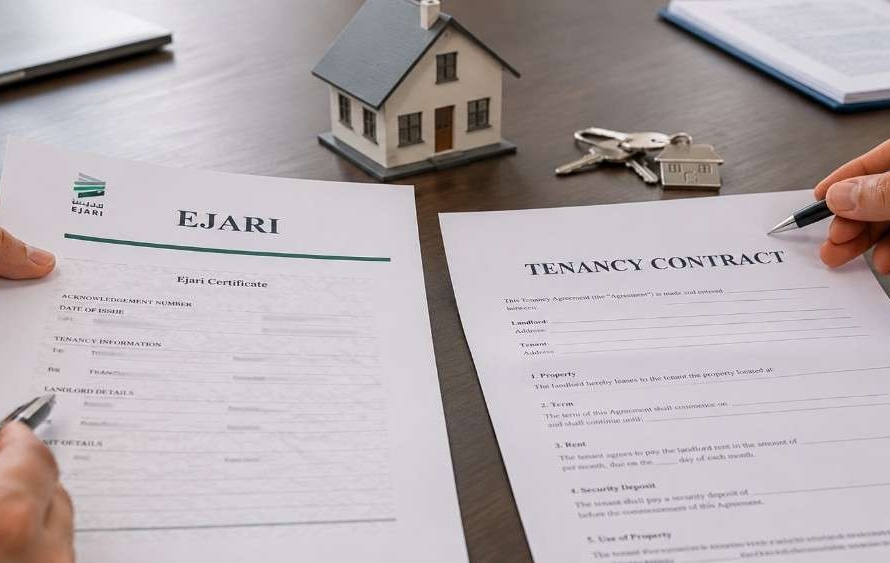




A commercial lease dispute can threaten the premises, trade license, fit-out, stock, staff, and customer access. Every lost day may create measurable business damage.
Searching for best lawyer for commercial lease disputes Dubai. should not lead to unsupported rankings. The useful question is which lawyer fits the lease, forum, evidence, and commercial risk.
Commercial cases require tenancy-law knowledge and business judgment. The lawyer must understand the property while protecting continuity, exit options, and financial recovery.
Quick Answer
There is no official ranking of commercial lease lawyers in Dubai. Compare lawyers using practical criteria. Counsel should understand Dubai Law No. 26 of 2007, as amended by Law No. 33 of 2008, and RDC jurisdiction under Decree No. 26 of 2013. The lawyer should review rent, notice, renewal, assignment, subletting, fit-out, reinstatement, service charges, permitted use, and business interruption. Ask who will appear, how urgent access or service problems will be handled, and what evidence supports any lost-profit claim. Confirm whether the premises fall within RDC jurisdiction or a free-zone forum. Review fees for settlement, first instance, appeal, and enforcement. The right lawyer depends on the lease, location, facts, documents, business exposure, and desired result.
Review the entire lease immediately, including schedules, incentives, side letters, fit-out approvals, and renewal documents. Mark every notice and deadline.
Protect operations while the dispute develops. Keep rent and contractual obligations current unless specific advice supports another step.
Create two strategies. The legal strategy addresses notice, jurisdiction, breach, remedies, and evidence. The business strategy addresses continuity, relocation, licensing, stock, staff, and customer obligations.
Interview lawyers using the same documents and questions. Choose the team that explains both strategies without promising a guaranteed outcome.
best lawyer for commercial lease disputes Dubai. What to Assess
Check licensing, role, and availability first. Ask who advises, who drafts Arabic filings, and who appears before the relevant tribunal or court.
Assess commercial tenancy experience, not only general property work. Offices, retail units, restaurants, warehouses, clinics, and industrial premises create different operational risks.
Ask the lawyer to identify the forum. Article 6 of Decree No. 26 of 2013 gives the RDC jurisdiction over most Dubai rental disputes, including commercial premises.
Free zones with their own rental tribunal or special court are excluded. The agreement may also be a license, concession, serviced-office arrangement, or lease-finance contract.
The answer should be document-specific. A lawyer who assumes the forum before reading the premises and dispute clause may create unnecessary delay.
Facing a Commercial Lease Dispute?
Message Leaders Advocates on WhatsApp for a quick review of your lease, notice, and business exposure.
The Governing Dubai Tenancy Framework
Law No. 26 of 2007, as amended by Law No. 33 of 2008, applies to leased land and real property in Dubai. Its definition covers commercial activity, trade, profession, and other lawful activity.
Article 4 requires leases and amendments to be registered with RERA. Commercial parties should keep Ejari, side letters, and renewal terms aligned.
Article 14 generally requires 90 days’ notice before expiry when either party proposes to amend lease terms, unless the parties agreed otherwise.
Article 25 lists in-term and expiry-based eviction grounds. The exact ground controls the notice, evidence, and timing.
For business premises, unjustified vacancy for 30 consecutive days or 90 non-consecutive days in one year may support eviction, unless the parties agreed otherwise.
Nonpayment and several breaches generally use a 30-day notice. Service for Article 25(1) must be through a notary public or registered mail.
Sale, personal use, qualifying family use, demolition, or comprehensive restoration at expiry require 12 months’ notice through a notary public or registered mail.
Commercial Terms That Decide the Dispute
Commercial leases often allocate risks that the general framework does not price for the parties. The exact contract therefore matters greatly.
Fit-out clauses may control approvals, ownership, insurance, alterations, removal, and reinstatement. A valuable fit-out can become a liability at exit.
Assignment and subletting require careful review. Article 24 generally requires the landlord’s written consent unless the parties agreed otherwise.
Permitted-use clauses affect licensing and eviction exposure. A business should confirm that its actual operations match the lease, planning, and regulator approvals.
Service-charge, maintenance, utility, and access clauses determine operating costs. The parties should separate landlord structural duties from tenant interior or equipment duties.
Renewal incentives may appear in side letters. Rent-free periods, turnover rent, caps, break rights, and stepped rent should be read with the main lease.
Eviction and Business Continuity
An eviction notice should trigger immediate review. The lawyer must test the ground, service, timing, ownership, and supporting permits or reports.
An expiry notice is not a judgment. The landlord must still bring an RDC claim and use official execution after an enforceable judgment.
Article 31 keeps rent payable while an eviction claim is heard and until the judgment is executed. A tenant should not create a nonpayment ground while challenging another ground.
After an owner-use eviction, Article 26 restricts re-letting to a third party for three years for non-residential property. A breach may support fair compensation.
Business planning should run in parallel. Review relocation options, trade-license amendments, customer communications, stock movement, data systems, and contractor availability.
Illegal Interference With Commercial Premises
Article 34 prohibits service disconnection and interference with tenant enjoyment. The 2026 official explanatory notes confirm protection against locks, barriers, threats, harassment, and facility obstruction.
A commercial tenant should contact the competent police station promptly. Request cessation of the interference and an official report that records the conduct and damage.
The RDC may award compensation supported by official reports. Commercial losses require careful proof, especially when claiming lost profits or operational interruption.
Do not respond with force, property damage, or retaliatory nonpayment. Preserve access-control records, CCTV, utility data, point-of-sale reports, canceled bookings, and customer complaints.
Proving Business Loss
Lost revenue is not automatically lost profit. The claim should subtract saved costs and explain the normal performance baseline.
Useful evidence includes audited accounts, VAT records, daily sales, reservations, stock records, payroll, delivery logs, customer cancellations, and prior seasonal performance.
The claimant must connect the breach to the loss and show reasonable mitigation. Relocation offers, remote operations, temporary storage, or alternative access may affect the calculation.
An accounting expert may be needed for substantial claims. The lawyer should define the expert question and ensure the figures match the pleaded remedy.
Practical Questions to Ask Counsel
- Does the RDC have jurisdiction over these premises and this agreement?
- Which statutory and contractual notices apply?
- Can operations continue while the dispute is pending?
- What does the lease say about fit-out ownership and reinstatement?
- Is assignment or subletting possible with consent?
- What evidence proves business interruption or lost profit?
- Is urgent access or service relief available?
- What settlement terms would protect the trade license and handover?
- What appeal rights and deposits apply?
- How will a judgment be enforced against the other party?
Evidence and Documents Needed
Collect the lease, Ejari, amendments, side letters, renewal records, fit-out approvals, landlord consents, and property ownership or management authority.
Add the trade license, regulator approvals, permitted-use documents, insurance, civil-defense approvals, and any license linked to the premises.
Preserve notices, service reports, payment schedules, bank transfers, cheques, rent receipts, deposits, service-charge statements, and utility invoices.
For condition issues, collect handover reports, inventories, photographs, maintenance requests, contractor reports, inspection records, quotations, and invoices.
For business loss, prepare daily sales data, VAT filings, bookings, cancellations, payroll, stock loss, supplier communications, and a clear profit calculation.
For unlawful interference, add the police report, access logs, building records, CCTV requests, utility confirmations, and witness details.
Common Mistakes and Risks
- Assuming commercial premises fall outside Dubai tenancy law.
- Assuming every free-zone dispute belongs before the RDC.
- Reading the lease without schedules and side letters.
- Ignoring permitted-use, assignment, fit-out, or reinstatement clauses.
- Withholding rent during an eviction dispute without advice.
- Serving statutory notice by an informal channel.
- Claiming gross revenue as lost profit.
- Waiting until CCTV and access records disappear.
- Focusing only on trial and ignoring relocation or settlement.
- Choosing counsel through promises or rankings rather than relevant capability.
Protect Your Business Position
Send us your lease and correspondence on WhatsApp before deadlines or fit-out claims are affected.
Lawyer Profiles Relevant to Commercial Lease Disputes
Faris Raian is the Managing Partner at Leaders Advocates. His preserved professional observation concerns commercial tenants who focus on rent while overlooking assignment, reinstatement, and fit-out clauses.
That contribution is relevant because those terms can determine the largest exit costs. Early review can materially change negotiation and litigation strategy.
This profile does not establish an objective best lawyer. Confirm current licensing, relevant matter experience, availability, team roles, language support, and fee scope before instruction.
How a Lawyer Can Help
A lawyer can align the lease position with business continuity. Counsel can review notices, preserve evidence, seek urgent relief, draft claims or defenses, and negotiate practical exit terms.
The lawyer can also structure a settlement covering money, fit-out, reinstatement, handover, licensing, confidentiality, releases, and default consequences. Each term should be enforceable.
Relevant Legal Services
The closest services for this matter are commercial property lawyers in Dubai, tenancy dispute lawyers in Dubai, and commercial lease review services. The appropriate service depends on the facts, documents, forum, and remedy requested.
Relevant Success Story
Selected completed matters appear in the firm’s Success Stories archive. A prior result does not guarantee a similar outcome. Every matter depends on its facts, documents, evidence, procedure, and legal circumstances.
Ready to Choose the Right Counsel?
Talk to Leaders Advocates on WhatsApp about handling your commercial lease dispute.
FAQs
Final Takeaway
The best commercial lease lawyer is the lawyer who understands the tenancy rules, contract, business operations, evidence, forum, and enforcement objective. No profile guarantees success.
Review the complete lease and operational documents before deciding. The safest strategy depends on the facts, notices, losses, deadlines, and business priorities.