

Quick Answer
You may not need a lawyer for a small, admitted debt when the debtor is responsive and follows a short written payment plan. Keep every payment and promise documented.
Legal advice becomes more important when the debtor denies liability, stops responding, moves assets, raises a counterclaim, or forces the creditor toward court or arbitration.
A lawyer can identify the legal debtor, preserve deadlines, select the correct forum, assess a cheque or guarantee, and connect the claim to a realistic enforcement plan.
Before appointing counsel, compare the amount, evidence, complexity, asset position, and likely cost. Ask for a staged scope instead of an outcome guarantee.
About the Legal Contributor
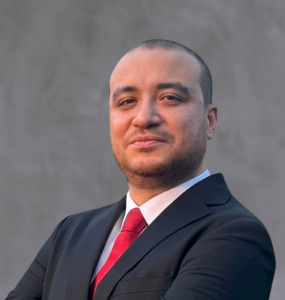
Faris Raian is a Founder Partner at Leaders Advocates.
His work covers UAE business disputes, debt recovery, and enforcement strategy.
In a recovery matter, he starts with the legal debtor, governing documents, available forum, asset position, and likely enforcement route.
That review helps the client choose steps that fit both the legal claim and the commercial objective.
A creditor may hesitate to instruct a lawyer because the debt appears simple. The invoice is overdue, the debtor promised payment, and another message seems cheaper than formal action.
Delay can change the position. Documents become harder to find, the debtor may stop trading, and a limitation or contractual notice period may continue running.
Use a decision test rather than a fixed rule. Review the debt, evidence, response, contract, deadlines, security, assets, and likely cost.
Handle a straightforward matter directly when that remains safe. Obtain legal help when the file becomes disputed, urgent, cross-border, or enforcement-driven.
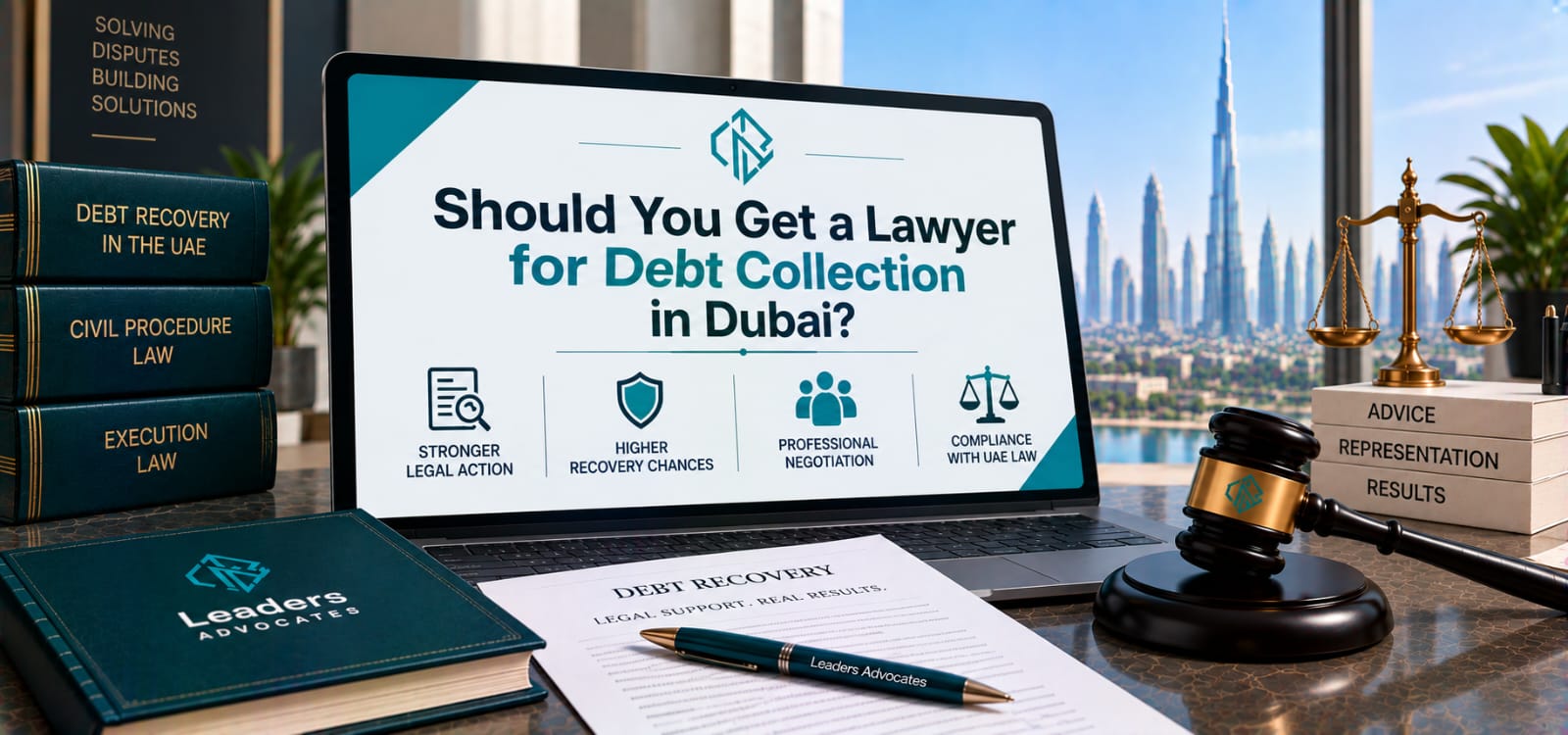
Should You Get a Lawyer for Debt Collection in Dubai
The answer depends on what the lawyer can change. Counsel may add value by correcting the debtor identity, strengthening the demand, selecting the forum, or protecting enforcement options.
Representation may add less value when the amount is small, the debtor admits it, and payment is already arriving under a clear written plan.
When Direct Collection May Be Enough
A direct approach may work when the debt is recent, admitted, and supported by clear records. The debtor should be reachable and commercially willing to pay.
Send a concise account statement and payment request. State the balance, invoice numbers, due date, payment details, and response deadline.
Keep the conversation professional. Do not threaten criminal action, public exposure, or consequences that are not legally available.
Use a Written Payment Plan
If the debtor requests time, put the terms in writing. State the admitted balance, installment dates, method, and default response.
Record each payment and update the balance. Avoid replacing a strong original claim with vague new promises.
Ask for legal review when the plan changes the debt, adds security, extends a deadline, or contains a release.
Debtor Gone Silent on You?
Stop sending the same reminder. Message us on WhatsApp and get a clear next step within minutes.
When the Debtor Stops Responding
Silence can justify moving from reminders to a formal demand. A lawyer can direct the notice to the correct legal entity and contractual address.
Counsel can also review whether delay creates limitation, asset, insolvency, or evidence risk. The answer should be based on the file, not a generic deadline.
Do not continue sending identical reminders for months. Set a decision date and record the next step.
When the Debt Is Disputed
A dispute about performance, quality, authority, setoff, price, or completion changes the task. The creditor must prove more than the unpaid invoice.
A lawyer can identify the elements of the claim and likely defenses. This guides the documents, witness evidence, expert work, and forum.
Early analysis may also reveal a commercial settlement range. It is better to assess a defense before filing than after costs increase.
Confirm the Legal Debtor
Check the trade license, contract, purchase order, invoice, and payment history. A brand, branch, subsidiary, and shareholder are different legal persons.
A lawyer should explain why each party is named. Personal liability does not arise only because a person owns or manages the company.
Correct identification improves service, pleading, settlement, and enforcement. It also prevents recovery work against the wrong entity.
Review the Evidence
Collect the contract, accepted quotation, purchase order, invoices, delivery records, approvals, ledger, payment proof, and messages.
An invoice may show an amount demanded. It may not prove delivery, acceptance, or the authority of the person who ordered the work.
Counsel can identify the missing link and propose lawful evidence. Do not alter or recreate records after the dispute begins.
Not Sure If Your Evidence Is Strong Enough?
Send your contract, invoices, and payment history on WhatsApp. We will tell you exactly what is missing.
Review the Dispute Clause
The contract may select Dubai Courts, DIFC Courts, arbitration, or another forum. It may also require notice, negotiation, or mediation first.
Filing in the wrong forum can cost time and money. A valid arbitration clause may lead to a jurisdiction objection in court.
If several documents contain different terms, obtain advice on which clause governs the transaction.
Check Deadlines
Different claims and instruments can carry different time bars. Contractual notice periods may also affect rights.
A lawyer can create a date schedule covering maturity, default, acknowledgments, demands, cheque presentment, filings, and appeals.
Do not assume that negotiations stop every deadline. Record any acknowledgment or payment and obtain advice on its legal effect.
When a Cheque Exists
A cheque returned for no or insufficient funds can be an executive instrument under Article 667 of the Commercial Transactions Law.
That route may allow compulsory execution without first obtaining an ordinary civil judgment on the cheque. The original and bank notation must be reviewed.
Other return reasons may need a different route. Criminal liability applies only to defined conduct, not every insufficient-funds return.
When a Judgment Already Exists
If the creditor already has a final UAE judgment, the task may be enforcement rather than proving the debt again.
Counsel can review the enforceable document, unpaid amount, service, available assets, and execution requests. A judgment does not collect itself.
If the judgment is foreign, recognition may be required before local enforcement. Treaties and the issuing country can affect the process.
Asset and Solvency Questions
Ask whether the debtor has reachable assets. Bank accounts, receivables, vehicles, real estate, shares, and business income may require different procedures.
Check whether the company is active, under liquidation, or facing insolvency. A proof of debt may be more appropriate than a new ordinary claim in some situations.
Use lawful sources. No lawyer should guarantee a freeze or recovery without evidence and a court order.
Have a Bounced Cheque or a Judgment to Enforce?
Message us on WhatsApp with the cheque or judgment details and we will map the fastest lawful route to recovery.
What a Lawyer Adds to the Demand
A legal demand can state the correct claimant, debtor, amount, contractual basis, breach, deadline, and next procedure.
It can also avoid damaging language. Unsupported threats and inflated figures may weaken credibility or create a new dispute.
The demand should preserve relevant rights and follow any contractual notice method. Keep proof of delivery.
Arbitration
Arbitration may be required by the contract. The notice, institution, seat, language, appointment process, and fees affect the plan.
For a modest debt, arbitration costs can be significant. Settlement or another lawful option may be commercially preferable.
An arbitral award may still need recognition and enforcement. Identify assets before choosing how far to proceed.
Enforcement Planning
Enforcement can involve information requests, attachment, asset sale, or other court-controlled steps. Each measure has conditions.
A lawyer can connect the requested relief to known assets. This is more useful than filing broad requests without a recovery theory.
Travel restrictions are not automatic. The court applies current legal requirements and decides the application.
When the Matter Is Cross Border
Get advice early when the debtor, contract, judgment, or assets are outside the UAE. Jurisdiction and service can change the timetable.
Foreign judgments and arbitral awards require their own recognition analysis. Authentication and translation may also be needed.
Ask what must happen in each country. Avoid paying for duplicate proceedings that do not improve enforcement.
Cost Benefit Review
Compare the principal debt with legal fees, court costs, experts, translation, asset checks, and enforcement. Include the chance of settlement.
Ask for stages. The first stage might cover document review, debtor checks, and a demand before litigation is authorized.
A staged scope gives the creditor control. It also allows new asset or defense information to change the plan.
How to Choose the Lawyer
Ask about debt recovery, commercial disputes, cheque execution, arbitration, and enforcement experience relevant to the file.
Request a written scope. It should identify immediate steps, missing evidence, likely forum, major risks, fee stages, and who will lead the matter.
Avoid guaranteed outcomes. A reliable assessment separates legal strength from collectability.
Faris Raian on Timing
Faris Raian, Founder Partner at Leaders Advocates, has noted that creditors often wait too long because they expect informal discussions to work.
Early advice can be especially useful when a cheque, formal contract, asset concern, or limitation issue exists. It allows the recovery path to be framed before the file stalls.
Questions for the First Meeting
- Who is the legal debtor?
- What proves the debt and performance?
- Is the amount admitted or disputed?
- Which forum and law apply?
- Is a cheque, guarantee, or judgment available?
- What deadlines require action?
- Which assets may be reachable?
- What will each stage cost?
The lawyer should answer with conditions and next steps, not slogans.
Related Success Story
Leaders Advocates publishes a debt recovery case involving successful loan recovery in Dubai. Read the available summary on the Leaders Advocates Success Stories page.
The facts and result differ from every new matter. The case does not guarantee recovery, but it shows why documentation and enforcement planning are important.
Common Mistakes
- Waiting without a decision date.
- Suing the wrong company.
- Relying only on an invoice.
- Ignoring the dispute clause.
- Missing a notice or limitation period.
- Accepting an unclear payment plan.
- Threatening criminal action for a civil debt.
- Filing without considering assets.
Final Takeaway
You do not need a lawyer for every unpaid balance. You should consider one when legal analysis can change the forum, evidence, leverage, deadline, or enforcement result.
Use a staged review. It can protect the claim while keeping cost proportionate to the debt and likely recovery.
Relevant Legal Services
- Debt Recovery Lawyers in Dubai — for demands, settlement, payment claims, and enforcement planning.
- Litigation Lawyer in Dubai — for disputed claims, court filings, and execution proceedings.
- Civil Lawyers in Dubai — for contract liability, evidence, defenses, and monetary claims.
Follow Leaders Advocates on LinkedIn or Leaders Advocates on Facebook for more UAE legal updates.
Frequently Asked Questions
Owed Money and Not Getting Paid?
Message Leaders Advocates on WhatsApp now for a free initial read on your debt, your options, and your fastest lawful route to recovery.