


An arrest can create confusion before you understand the allegation, authority, or next step. What you say and sign during those early hours can matter later.
The safest response is calm and practical. Avoid confrontation, do not volunteer a long explanation, and request legal representation as early as possible.
Language can create another risk. If you do not understand Arabic or any document presented, ask for translation before you consider signing it.
Quick Answer:
What To Do After Being Arrested In Dubai starts with staying calm and cooperating without confrontation. Do not try to argue the entire case at the scene.
Ask directly for legal representation as early as possible. Give your lawyer an accurate account of the arrest, questions, documents, and statements made so far.
Do not sign a statement or document you do not fully understand. Ask for translation when needed, especially if you are not fluent in Arabic.
Contact a lawyer promptly. A foreign national may also contact the relevant embassy when appropriate. Keep family communication factual and avoid public discussion of the case.
Faris Raian on the First Response
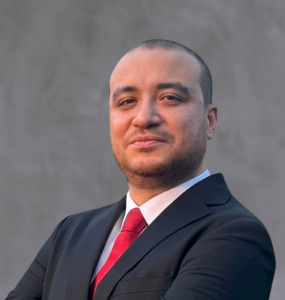
Faris Raian is Founder, Managing Partner, and Senior Legal Consultant at Leaders Advocates. He has more than 15 years of experience in UAE courts.
His work spans criminal, corporate, and commercial matters. That experience is relevant when an arrest also affects employment, a company, travel, or financial records.
The immediate legal task is to identify the allegation, procedural stage, authority, and documents. Advice should follow verified facts rather than assumptions made under pressure.
No lawyer can guarantee release, dismissal, acquittal, or a particular sentence. Early representation can protect communication, evidence, deadlines, and procedural decisions.
Use a controlled response from the first contact. Protect your conduct, communication, documents, language needs, legal access, evidence, and family arrangements while counsel verifies the case.
1. Stay Calm and Avoid Confrontation
Follow lawful instructions and keep your physical movements calm. Resistance, threats, shouting, or sudden actions can create risk beyond the original allegation.
Do not argue the whole case with officers at the scene. An arrest setting rarely provides the time, records, or privacy needed for a reliable explanation.
Use respectful, direct language. Ask what authority is involved, where you are being taken, and how legal representation can be contacted.
If you have a medical condition, explain it clearly and request appropriate attention. Provide accurate information about essential medication and immediate health needs.
Remember observable details without interfering with officers. Time, place, people present, items taken, and documents shown may help counsel reconstruct the early process.
2. Ask for Legal Representation Early
Request a lawyer directly rather than assuming legal help will be offered automatically. Make the request calmly and repeat it when the procedural stage changes.
Do not wait until after a detailed statement if legal contact can be requested sooner. Early advice helps you understand the allegation and the purpose of questioning.
Provide the lawyer with your full name, location, known case reference, arresting authority, and any scheduled questioning or hearing information.
Tell counsel whether officers took a phone, passport, documents, money, or other property. Record any receipt or inventory when available.
Family members should contact qualified UAE criminal counsel quickly, such as a trusted criminal lawyer in Dubai. They should share verified facts and avoid directing the detained person through informal messages.
Facing Questioning or Detention in Dubai?
Early legal representation can protect your rights, your statements, and your evidence. Do not wait to request a lawyer.
3. Understand the Immediate Status
An arrest does not answer every legal question. Counsel should confirm whether the person is being questioned, detained, referred, charged, or brought before another authority.
Ask for the known allegation in plain terms. Do not guess the exact offense from a complaint title, social media post, or another person’s account.
Record the authority handling the matter and the location. Police, prosecution, and court stages can involve different documents, decisions, and time sensitive actions.
A connected travel, immigration, employment, or business issue may exist. Check your status separately through the correct channel, such as confirming UAE travel ban status or an outstanding arrest warrant in Dubai, instead of assuming the position from the arrest alone.
Counsel should explain what is confirmed and what remains unknown. A clear status note gives the family a reliable basis for the next decision.
4. Limit Unplanned Explanations
Cooperation does not require an improvised account of every event. Avoid filling gaps with guesses, estimates, or statements made only to end questioning quickly.
Listen to each question and answer accurately within your understanding. Do not adopt another person’s words when you are unsure what they mean.
A rushed explanation can conflict with documents later reviewed. Bank records, messages, location data, contracts, and witness accounts may create a detailed timeline.
Do not accuse other people without a factual basis. Speculation can distract from the allegation and create contradictions that need further explanation.
Ask counsel how to prepare for a formal statement. Preparation should improve accuracy and understanding without hiding evidence or obstructing a lawful process.
5. Request Translation When Needed
If you are not fluent in Arabic, say so clearly. Ask for translation before answering a question or signing a document you do not understand.
Do not rely on partial familiarity with legal terms. A single word about intent, ownership, authority, or timing can materially change the meaning of a statement.
Tell the interpreter when a question remains unclear. Ask for the question to be repeated or explained without guessing at the intended meaning.
Review names, dates, numbers, account details, and quoted words carefully. These details often carry more evidentiary weight than a general summary.
Inform counsel about any translation concern immediately. Record what was unclear and whether a document was read or explained before signature.
6. Do Not Sign What You Do Not Understand
Read every statement, inventory, acknowledgment, or other document before signing. Pressure and fatigue do not make unclear wording safe to accept.
Ask for translation and clarification where needed. Confirm that the written text matches what you actually said and does not add a conclusion you disputed.
Check each page and attachment. A signature may be treated as approval of more than the final paragraph visible at that moment.
Do not sign a blank or incomplete page. Ask counsel about any document that records facts, waives a position, or confirms receipt of property.
If a signature has already been given, tell the lawyer exactly what happened. Do not create a new version of events to correct the first problem.
Already Signed a Statement You Did Not Understand?
Tell a lawyer exactly what happened before the next questioning or hearing. Early clarification can prevent a bigger problem later.
7. Preserve the Evidence
Do not delete messages, alter records, reset devices, destroy papers, or ask another person to clean an account after learning about the arrest.
Preserve original electronic material with dates and context. Isolated screenshots can omit participants, earlier messages, attachments, or metadata needed for review.
Ask family or staff to secure relevant records lawfully. They should not access accounts without authority or remove property from another person’s control.
Create a chronology when counsel requests it. Separate events you remember directly from facts reported by someone else or inferred from documents.
Record potential witnesses and evidence locations. Do not coach witnesses or coordinate stories, because consistency must come from truth and records.
8. Manage Phone and Online Communication
Assume that public posts can reach investigators, witnesses, employers, and the complainant. Do not publish the allegation or defense while facts remain unclear.
Family members should avoid emotional campaigns or requests for public pressure. Online claims can spread errors and complicate privacy, reputation, or evidence issues; this is one reason defamation carries real legal risk in the UAE.
Use a single trusted family contact where possible. That person can coordinate with counsel and reduce conflicting messages about location, status, and next steps.
Do not ask anyone to delete content or change a record. Preservation is safer than an attempt to improve how the history appears.
Share case documents through secure channels approved by counsel. Avoid forwarding sensitive records to large groups or unverified contacts offering informal help.
9. Contact the Embassy When Relevant
A foreign national may consider contacting the relevant embassy alongside a UAE lawyer. Consular contact and legal representation perform different functions.
Provide accurate identity, location, and family contact details. Do not expect an embassy to replace local defense counsel or direct the UAE authorities.
Ask about available consular assistance, family notification, document support, or welfare contact. The response depends on nationality and the circumstances.
Tell counsel about any foreign case, warrant, travel issue, or prior judgment that may relate to the arrest. Cross border facts require coordinated advice.
Keep embassy and lawyer communications consistent. Different accounts can slow verification and make urgent coordination more difficult.
10. Protect Health and Family Needs
Tell the authority and counsel about urgent medication, disability, pregnancy, or other health needs. Provide prescriptions or medical records when they can be obtained.
Arrange lawful support for children, older relatives, or other dependents. A designated family contact can handle school, care, housing, and emergency payments.
Review employment and company authority if the detained person manages a business. Essential payroll, banking, and customer obligations may need temporary lawful arrangements.
Do not transfer assets or access records to hide them. Continuity planning should protect lawful operations without affecting evidence or creditor rights.
Keep private matters private. Share only the information needed for care, employment, or business decisions until counsel confirms the case status.
11. Prepare for the Next Procedural Step
Ask counsel what will happen next and which authority will decide it. The answer should distinguish questioning, detention review, prosecution, court, and release issues, and whether applying for bail in Dubai is a realistic option at this stage.
Gather identity documents, residence information, medical records, employment details, and relevant case documents. Counsel should prioritize what is actually needed.
Prepare a short factual chronology for legal review. Include the arrest, questions, searches, property taken, signatures, translation, and people contacted.
Track every known date and reference number. Missing an instruction or hearing because the family relied on informal information can create avoidable risk.
Keep expectations realistic. Procedure and outcome depend on the allegation, record, authority, and applicable law, not on a general promise of quick release.
12. Review the Full Case Strategy
Once the immediate situation is stable, counsel should review the evidence, alleged offense, legal elements, and procedural record before proposing a defense. As our Mondaq analysis on the difference between murder and manslaughter under UAE law illustrates, how an offense is classified can materially change the defense strategy.
Identify connected civil, commercial, employment, family, or immigration matters. A step in the criminal case may affect another proceeding or relationship.
Decide who will communicate with authorities, witnesses, employers, banks, and the family. Consistent factual communication reduces errors and protects confidentiality.
Use a written action list with owners and dates. Immediate needs, evidence, filings, expert work, and family arrangements should not remain informal assumptions.
The first hours matter, but the case continues beyond them. Calm conduct and early legal advice create a clearer foundation for every later decision.
Need a Clear Case Strategy After an Arrest?
Leaders Advocates can review the allegation, procedural stage, and evidence, and build a coordinated defense plan across any connected matters.
Final Takeaway
After an arrest in Dubai, remain calm, request a lawyer, avoid unplanned explanations, and do not sign anything you do not understand.
Ask for translation when needed, preserve records, and contact the relevant embassy where appropriate. The defense should develop from verified facts and the actual procedural stage.
Related Success Story
Review the firm’s published success stories, including outcomes involving criminal defense, focused evidence review, and coordinated case strategy in Dubai.
Common Mistakes
- Arguing or resisting instead of remaining calm.
- Giving a long improvised explanation before legal advice.
- Signing a statement that was not understood.
- Failing to request translation when needed.
- Deleting messages or discussing the case publicly.
Relevant Legal Services
Explore related guidance on how to check a criminal case in Dubai, how to choose the best criminal lawyer for your case, and how to apply for bail in Dubai for coordinated advice on arrest, questioning, evidence, and court steps.
People Also Ask
Been Arrested or Under Investigation in Dubai?
Leaders Advocates can review your case, coordinate with the authorities, and protect your rights at every procedural stage.