


A person planning a will and a family administering an estate after death may use the same search phrase, but they need different legal work. Another family may already face a disputed will, missing asset, business-control problem, or overseas property. Choosing a lawyer before defining the matter can produce the wrong team and an incomplete fee quote.
The practical starting point is to identify the objective, governing framework, documents, assets, deadlines, and dispute risk. An inheritance lawyer in Dubai can help assess the inheritance rights of children in the UAE and explain whether inheritance tax in the UAE applies. Then the client can compare lawyers against the same facts and determine whether the proposed team can handle planning, probate, transfers, litigation, and cross-border coordination where required.
Quick Answer
Choose an inheritance lawyer in Dubai by defining the matter first: will planning, probate administration, asset transfer, or a contested estate. Then test experience with the applicable framework, similar assets, cross-border issues, and the relevant court or registry. Confirm the assigned team, evidence required, stages, exclusions, third-party costs, and realistic next decision in writing.
Create a short matter map showing the people, wills, assets, entities, countries, current documents, and urgent risks. Use it to interview candidates with the same questions and compare written scopes on a like-for-like basis.
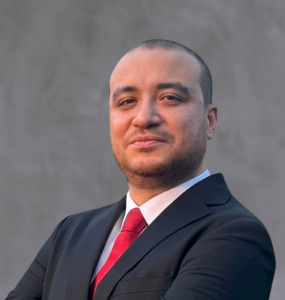
Faris Raian is the founder, managing partner, and senior legal consultant at Leaders Advocates, with more than 15 years of experience across family, corporate, commercial, real estate, and dispute matters in the UAE. That range is directly relevant to will and succession planning, estate administration, real estate and business assets, cross-border coordination, and contested inheritance matters. His approach begins by identifying the governing framework, the assets and entities involved, the documents already in place, and the practical court, probate, registration, or settlement route needed to move the matter forward.
Step 1: Define the Inheritance Matter Before Choosing Counsel
Planning ahead focuses on a valid will, executor and guardian choices, beneficiary structure, asset coverage, business continuity, and registration. Administration begins after death and focuses on authority to act, heirs or beneficiaries, debts, assets, probate or succession orders, transfers, and final distribution. Litigation concerns validity, capacity, concealment, exclusion, valuation, management, or distribution disputes.
Some matters contain all three. A poorly drafted or outdated will may produce a probate question, and a disagreement about property or company shares may become a contested proceeding. Tell the lawyer the immediate decision required instead of asking generally whether they handle inheritance.
Urgency should be documented. Identify dependents needing funds, assets at risk, expiring licences, operating businesses, rent or mortgage obligations, pending sales, and any concern that records or property may be moved. The first phase may be preservation and authority, not final distribution.
• Planning: draft, review, amend, or register a will and guardianship provisions.
• Administration: obtain authority, identify assets and debts, and complete transfers.
• Dispute: preserve evidence, protect assets, negotiate, file, or defend a claim.
• Cross-border: coordinate recognition, local probate, translations, and foreign advisers.
• Business continuity: protect management, licences, contracts, and company value.
Step 2: Identify the Likely Law, Court, and Registry
Federal Decree-Law No. 41 of 2024 now forms the general UAE Personal Status Law. Federal Decree-Law No. 41 of 2022 provides a civil personal-status framework for non-Muslims within its scope, supported by Cabinet Resolution No. 122 of 2023. Dubai’s DIFC Courts Wills Service provides a separate registered-will and probate system for eligible non-Muslims.
Unsure Which Inheritance Lawyer You Actually Need in Dubai?
Will planning, probate, asset transfers, and contested inheritance matters require different legal strengths. Our team can first identify the right route, then define the documents, forum, assets, and legal work your matter actually needs.
The lawyer should not assume that one regime applies solely from the client’s passport. Review religion, nationality, residence or domicile, marriage and family records, any choice of law, the will and its registration, the asset locations, and the forum that must issue or enforce the order.
Ask how the proposed route interacts with Dubai Courts, DIFC Courts, land and company registries, banks, free zones, and overseas authorities. A correct legal opinion is useful only if it can be converted into the documents and orders those bodies require.
Step 3: Match Experience to the Asset Mix
Prepare an asset schedule before requesting a quote. List the legal owner, approximate value, title or account number, liabilities, co-owners, nominee or beneficiary designations, location, and documents available. The schedule helps reveal whether the file needs property, corporate, banking, digital-asset, or foreign-law work alongside inheritance advice.
A property transfer may require title, mortgage, valuation, service charge, tenancy, and occupancy analysis. Company shares require constitutional documents, shareholder agreements, registers, licenses, management powers, and transfer restrictions. Bank, investment, and insurance assets may each follow different document and beneficiary procedures.
Digital assets require careful evidence and access planning. A lawyer may need wallet addresses, exchange records, and succession instructions but should not request a seed phrase or private key. The plan must balance lawful access, security, evidence preservation, and the provider’s own terms.
• Dubai and other UAE real estate, mortgages, leases, and co-ownership.
• Mainland, free-zone, or foreign companies and management authority.
• Bank, investment, insurance, pension, receivable, and debt records.
• Vehicles, valuables, intellectual property, and digital assets.
• Foreign property and the local probate or recognition steps it requires.
Step 4: Check Planning, Probate, and Dispute Capability Separately
For planning, ask about the exact registration route, eligibility, will type, drafting process, witness or appointment requirements, guardianship provisions, asset coverage, and future amendment. DIFC Courts offers several will categories; the proposal should explain why the selected type fits the client’s circumstances.
For administration, ask for a staged plan from document collection to authority, asset confirmation, creditor issues, transfer, accounting, and distribution. Confirm whether the team deals directly with banks, land departments, free zones, companies, and foreign counsel or expects the client to do so.
For disputes, ask about evidence, interim measures, settlement strategy, pleadings, hearings, appeals, and enforcement. Confirm which registered advocate or authorised practitioner will appear in the relevant forum and how the planning or advisory team will support them.
Step 5: Compare the Team and Written Scope
A useful engagement letter identifies the responsible lead, working lawyer, court representative, translation and attestation needs, foreign advisers, deliverables, client responsibilities, review rounds, meetings, authority contact, reporting frequency, and decision expected at each stage.
Compare fees using the same assumptions. Separate professional fees from court and registry charges, translation, legalisation, valuation, experts, searches, travel, foreign counsel, and enforcement. Ask how additional work is approved and what happens if new assets, heirs, objections, or jurisdictions emerge.
Avoid guaranteed outcomes and fixed dates before the documents are reviewed. Request an estimated sequence with dependencies: client documents, registry appointments, court processing, third-party replies, objections, asset searches, and foreign steps. This creates accountability without pretending that every external decision is controlled by the lawyer.
• Named lead and day-to-day contact with clear supervision.
• Deliverables, assumptions, exclusions, stages, and client responsibilities.
• Professional fees separated from official and third-party costs.
• A communication, document-control, and escalation process.
• A realistic first decision rather than a guaranteed final result.
Step 6: Prepare for the First Consultation
Send a concise chronology, family tree, identity and status documents, death certificate if applicable, all wills and amendments, marriage or divorce records, guardianship information, and the asset and liability schedule. Include existing court, registry, bank, company, and foreign correspondence.
Mark what is confirmed and what is assumed. Do not edit screenshots, recreate missing signatures, or move original documents into an informal bundle. Preserve originals, record where each document came from, and share sensitive information only after a conflict check through an agreed secure channel.
End the meeting with a defined next step. The useful outcome may be a governing-law opinion, document gap list, will-registration plan, probate filing, preservation measure, settlement proposal, or staged fee scope. A general promise to handle everything is not a decision.
For planning matters, add a personal decision list covering executors, substitute executors, guardians, substitute guardians, beneficiaries, specific gifts, residuary distribution, funeral wishes, digital accounts, and business succession. The lawyer can then identify which wishes belong in the will, which require separate corporate or banking documents, and which may not be enforceable in the proposed form.
For an existing estate, add a responsibility matrix showing who holds original documents, who occupies or manages property, who controls company or digital accounts, who pays ongoing expenses, and who communicates with dependants. This does not decide legal entitlement, but it helps counsel identify preservation risks, missing records, conflicts of interest, and the first authority that should be approached.
Ask the lawyer to confirm how advice and decisions will be recorded after the meeting. A short written note should identify the current facts, open questions, documents requested, legal route under review, immediate precautions, responsible person, and target date for the next decision. This prevents urgent family discussions from becoming a substitute for instructions and gives every authorised participant the same working record.
Unsure which inheritance lawyer or route fits your situation? Faris Raian and the team at Leaders Advocates can identify whether the immediate need is planning, probate, asset transfer, dispute protection, or cross-border coordination and define a practical first phase.
Dealing With an Estate, Property, Business, or Overseas Assets?
Complex estates can involve probate, real estate, company shares, bank accounts, foreign property, and several authorities at once. Get the asset structure and governing framework reviewed before important transfer or preservation steps are missed.
Common Mistakes
• Searching for a general “inheritance lawyer” without first identifying which of the two situations you’re actually in.
• Assuming will-drafting experience automatically means genuine estate-administration experience, or the reverse.
• Not asking about cross-border coordination where the estate includes assets outside the UAE.
• Comparing prices before giving each lawyer the same asset list and scope assumptions.
• Failing to confirm who will appear in court if the estate becomes contested.
• Sharing sensitive identity, family, or financial records before conflicts and security are confirmed.
Relevant Legal Services
An Inheritance Lawyer in Dubai can advise on wills, probate, estate administration, transfers, and inheritance claims. A Family Lawyer in Dubai can assess personal-status, guardianship, family documentation, and related disputes. A Litigation Lawyer in Dubai can handle contested evidence, urgent measures, hearings, appeals, and enforcement.
People Also Ask
Conclusion
Choose an inheritance lawyer in Dubai by defining the task, governing framework, assets, forum, urgency, and dispute risk first. Then compare comparable experience, team responsibility, evidence handling, scope, costs, and dependencies.
The right first phase is more important than a generic profile or headline fee.
Facing a Disputed Will or Inheritance Conflict?
Disputes over validity, missing assets, company control, valuation, or distribution can escalate quickly. Faris Raian and the team at Leaders Advocates can assess the documents, evidence, urgent risks, and the court or settlement route available.


2 Comments