



A bounced cheque in Dubai can mean two very different things now. Most ordinary cases run through civil recovery, straight to the Execution Court. A smaller category, involving fraud or bad faith, still carries criminal exposure. The right lawyer needs to know which one applies before doing anything else.
The best cheque bounce lawyer in Dubai for a specific matter is not identified by a single public ranking. The strongest fit combines current knowledge of the post-2022 framework, practical Execution Court experience, criminal defence capability where fraud is alleged, and a clear plan for evidence and enforcement.
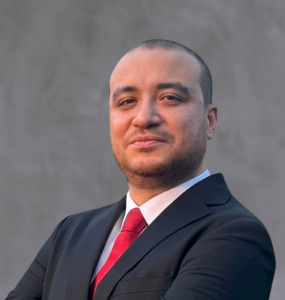
At Leaders Advocates, that combination is represented by Faris Raian, Founder and Managing Partner, and Ekaterina Butseva, Founder and Partner. Their respective backgrounds connect UAE litigation and commercial experience with complex dispute resolution and cross-border perspective, including matters where a debt recovery lawyer in Dubai may be needed. Their experience can also help clients assess questions such as is a bounced cheque a criminal offence in the UAE and understand the relevant UAE cheque signing laws.
Quick Answer
The best cheque bounce lawyer in Dubai for a particular case is one who first identifies whether the matter is an ordinary civil recovery claim or one involving fraud, bad faith, or deliberate misrepresentation. That classification determines whether the appropriate route is direct execution, criminal procedure, or coordinated action. Faris Raian brings more than 15 years across commercial and criminal law in UAE courts, representing individuals, banks, and corporate clients. Ekaterina Butseva adds complex litigation, dispute-resolution, and cross-border experience. Together, that combination is relevant where the cheque sits inside a wider contract, corporate transaction, foreign-party dispute, asset-recovery problem, or criminal allegation. The lawyer should explain realistic options and not treat every returned cheque as the same case.
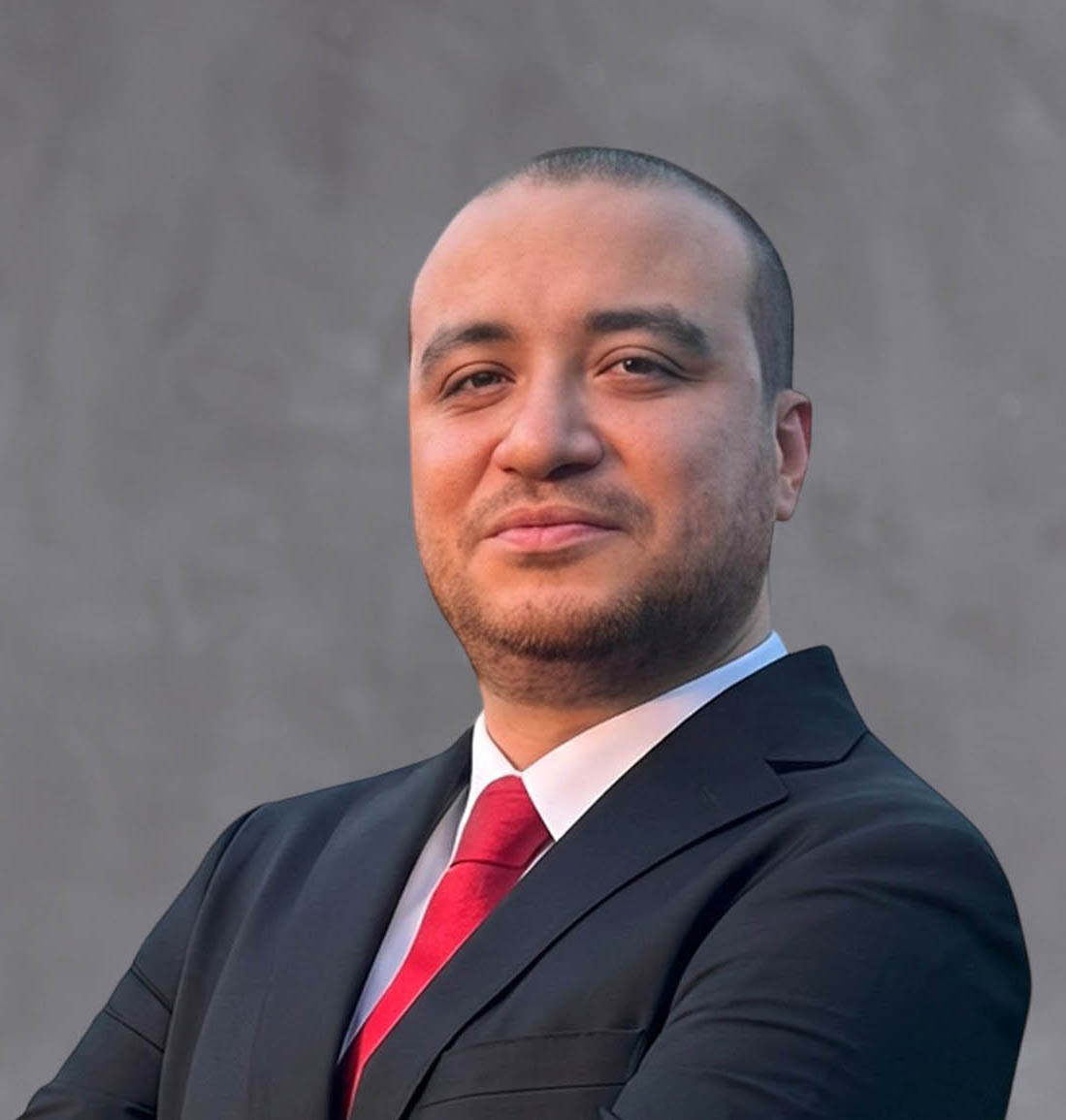
Faris Raian is the Founder, Managing Partner, and Senior Legal Consultant at Leaders Advocates. He brings more than 15 years of experience across family, corporate, commercial, real-estate, criminal, and cybercrime law in UAE courts and has represented individuals, banks, insurance companies, and corporate clients. That range matters directly for bounced-cheque files, which can move between commercial obligations, execution procedure, corporate authority, and criminal allegations.
How to Identify the Best Cheque Bounce Lawyer in Dubai
Choose by the route the file actually requires. Ask the lawyer to review the cheque, bank return information, underlying agreement, payment history, communications, parties, and any existing police or execution record before recommending action.
Recent experience matters because an outdated assumption that every bounced cheque is automatically criminal can send a client into the wrong process. The lawyer should be comfortable explaining the civil execution route, the narrower criminal risks, and how each interacts with the underlying debt or defence.
Why Cheque Cases Need This Combination
A cheque case can be simple on paper but difficult in enforcement. The signature may be admitted, yet the debtor may dispute authority, payment, settlement, security purpose, alteration, or the underlying transaction. Assets may be difficult to locate, or the cheque may involve a company, guarantor, foreign party, or parallel commercial dispute.
The legal team therefore needs more than a generic debt-collection approach. It should identify the enforceable instrument, anticipate the likely objection, preserve criminal-defence rights where an allegation is made, and plan what happens after an order is obtained.
Faris Raian’s Experience and Approach
Faris Raian, an experienced debt recovery lawyer in Dubai , said that the shift toward civil recovery has changed how a bounced cheque case should actually be approached. He explained that confirming early whether a case is a straightforward civil recovery matter or one that involves fraud determines whether the right first step is the Execution Court or a criminal complaint, and getting this wrong can add real delay.
His approach begins with classification and evidence. The cheque is reviewed with the bank return reason and the underlying transaction rather than in isolation, so the client can understand what can be filed, what may be challenged, and what proof is missing.
Ekaterina Butseva’s International Perspective
Ekaterina Butseva is a Founder and Partner at Leaders Advocates with legal experience since 2010. She is a member of the International Bar Association and a foreign member of the American Bar Association. Her practice centres on complex litigation, dispute resolution, and cross-border matters. That background is useful where a bounced cheque is connected to a foreign party, cross-border agreement, complex commercial relationship, or assets in more than one jurisdiction.
Her dispute-resolution perspective helps separate the immediate cheque remedy from the wider commercial objective. A client may need payment, asset preservation, negotiated restructuring, defence of an execution step, or coordination with proceedings elsewhere. Those objectives should be identified before the strategy is fixed.
Faris Raian
Cheque Bounce Lawyer
Advising clients on bounced cheques, civil recovery, Execution Court proceedings, commercial disputes, and criminal allegations involving fraud or bad faith in Dubai.

Ekaterina Butseva
Cheque Dispute Lawyer
Handling complex cheque disputes, commercial litigation, execution matters, settlement negotiations, and cross-border payment and recovery issues.
What This Means for Your Search
• Confirm current familiarity with the post-2022 civil and criminal framework, not an outdated understanding.
• Ask who will review the bank return reason and the transaction behind the cheque.
• Check direct Execution Court experience for a straightforward recovery matter.
• Confirm criminal defence experience where fraud, bad faith, alteration, or deliberate misrepresentation is alleged.
• Ask how the team approaches company cheques, authorised signatories, guarantors, foreign parties, and disputed settlements.
• Require a written explanation of fees, immediate steps, likely objections, and realistic enforcement options.
Why Most Bounced Cheques Are Civil Now
Reforms since 2022 moved ordinary, insufficient-funds cheque bounces into the civil system, letting the payee go directly to the Execution Court, since a cheque functions as an executive instrument, without needing to prove the debt through a full trial. Criminal liability is now largely confined to cases involving fraud, bad faith, or deliberate misrepresentation, issuing a cheque from a knowingly empty account with intent to deceive, among them.
That does not mean every cheque is automatically recovered as soon as it is returned. The court still needs the correct filing, parties, instrument, bank information, claimed amount, and supporting documents. The debtor may raise a procedural or substantive objection, and obtaining an execution file is not the same as locating recoverable assets.
The lawyer should explain the distinction between the enforceability of the cheque and any broader dispute about the contract. A dispute about goods, services, settlement, authority, or security may affect strategy even where a direct execution route is available.
The First Documents a Lawyer Should Review
Start with the original cheque or reliable official copy, the bank return memo, and the date and reason for non-payment. Add the contract, invoices, delivery records, account statements, acknowledgments, settlement communications, and any document showing why the cheque was issued. A cheque given for an existing debt may present differently from one said to be security for a future or conditional obligation.
For a company cheque, identify the drawer, signatory, authority at the relevant date, company status, and the real creditor and debtor. Do not assume that a signatory automatically bears the same obligation as the company or that a corporate structure prevents all personal exposure. The documents and allegations must be analysed individually.
• Original cheque, clear copy, bank return memo, and presentation history.
• Underlying contract, invoices, purchase orders, delivery or performance evidence, and account statements.
• Emails, messages, admissions, proposed payment plans, and any signed settlement or release.
• Company licences, authorised-signatory records, guarantees, and identification of all relevant parties.
• Existing police, Public Prosecution, court, execution, travel, or enforcement references.
Civil Recovery and Execution Strategy
A direct execution filing is designed to use the cheque as an executive instrument. The practical plan should cover service, any payment deadline or challenge, available assets, bank information, receivables, vehicles, real property, shares, and other lawful enforcement measures. The lawyer should also identify whether the debtor is an individual or company and whether insolvency or competing creditors may affect recovery.
Speed matters, but incomplete filing can create delay. Names should match official identification and licences, amounts should be reconciled, and partial payments must be credited correctly. If the parties reached a later settlement, the lawyer should determine whether it replaced, suspended, or confirmed the original cheque obligation.
Settlement can be sensible where it improves recovery, but it should be documented. Payment dates, default consequences, releases, return of instruments, costs, and the status of the execution file need clear language. Verbal promises made after filing are difficult to enforce and can waste valuable time.
When Criminal Exposure Still Matters
A returned cheque should not be labelled criminal merely because the creditor is angry or because an earlier version of the law was different. Criminal exposure is now associated with specific conduct such as fraud, bad faith, deliberate misrepresentation, prohibited interference with payment, or other facts meeting an offence. The allegation must be connected to evidence.
A complainant should avoid exaggerating a commercial default into a criminal narrative. An accused person should not ignore a police or prosecution contact on the assumption that cheque cases are now entirely civil. Both sides need the file number, exact allegation, procedural status, and documents supporting the account.
Where civil execution and a criminal allegation coexist, statements should be consistent. An admission made to accelerate settlement in one track may affect the other. Legal advice before interviews, written submissions, or signed agreements can prevent avoidable contradictions.
Need to Recover an Unpaid Cheque Through the Execution Court?
Direct execution can be faster than a full civil claim, but filing is only part of recovery. Leaders Advocates can assess the enforceable instrument, likely objections, company or individual assets, settlement options, and the practical steps needed after the execution file is opened.
Defending a Cheque Claim
A defence begins with the instrument and transaction, not a generic assertion that no money is owed. Potential issues may include identity, signature, authority, material alteration, payment, settlement, limitation, conditional delivery, incorrect amount, or a dispute about the real parties. Whether any point is legally available depends on the documents and procedure.
Preserve the original records and reconcile the account line by line. If part of the amount was paid, show the payment and its allocation. If the cheque was replaced, identify the replacement agreement and what happened to the earlier instrument. Do not create backdated correspondence or ask an employee to change a record.
If an execution step has already been taken, act promptly. Waiting may narrow procedural options and allow enforcement to progress. The lawyer should obtain the file, confirm service and orders, calculate the amount, and identify the correct application rather than relying on informal assurances from the other side.
Common Mistakes
• Assuming every bounced cheque still carries criminal exposure, when most ordinary cases are civil matters.
• Pursuing a criminal complaint where civil recovery would move faster and more directly.
• Failing to confirm whether fraud or bad faith is genuinely alleged before choosing the route.
• Filing the cheque without reviewing the underlying transaction, partial payments, or later settlement.
• Treating an execution order as guaranteed recovery without investigating assets and competing claims.
• Signing a payment plan or release without defining default, costs, file closure, and return of the cheque.
Relevant Legal Services
A Debt Recovery Lawyer in Dubai can assess the instrument, underlying debt, settlement options, and practical enforcement plan.
A Litigation Lawyer in Dubai can advise on execution objections, related commercial disputes, and court strategy.
A Criminal Defense Lawyer in Dubai can respond where fraud, bad faith, alteration, or another criminal allegation is raised.
People Also Ask
Conclusion
The strongest cheque bounce lawyer is the one who classifies the matter correctly before filing. Direct civil execution, criminal defence, commercial litigation, settlement, and asset recovery answer different questions. Faris Raian and Ekaterina Butseva at Leaders Advocates illustrate the combination of UAE litigation and complex dispute perspective that a difficult cheque file may require.
Facing Fraud or Bad-Faith Allegations Over a Bounced Cheque?
Ordinary insufficient funds and criminal cheque conduct are not the same. Faris Raian and the team at Leaders Advocates can review the alleged fraud, account conduct, authority, communications, underlying agreement, and any parallel execution proceedings before a statement or settlement is made.

6 Comments