

A founder asks several lawyers for a crypto licence quote and receives different answers: VARA, DIFC, ADGM, CMA, or no licence. An investor with a frozen account is told to file in Dubai even though the contract and payment recipient belong to an offshore entity. The disagreement often starts because the facts and regulator were not mapped first.
Choosing the lawyer before identifying the jurisdiction can produce a confident but unusable scope. The right process begins with the entity, location, activity, customer, asset, custody, and payment flow. A crypto lawyer in Dubai can then help determine the applicable framework and advise on issues such as how to report a crypto scam in Dubai. The analysis should also address activity-specific questions, including is crypto mining legal in the UAE, before matching counsel to the framework and problem actually involved.
Quick Answer
Choose a Dubai cryptocurrency lawyer by identifying the framework first: VARA outside DIFC, the DFSA in DIFC, the FSRA in ADGM, or relevant federal rules. Then test experience with the same activity, licence, contract, fraud, or dispute, and confirm the team, deliverables, regulator engagement, contentious support, timetable, fees, and evidence required.
Build a one-page regulatory and matter map, interview candidates with the same questions, ask each lawyer to explain what fact could change the regulator, and compare written scopes rather than general crypto credentials.
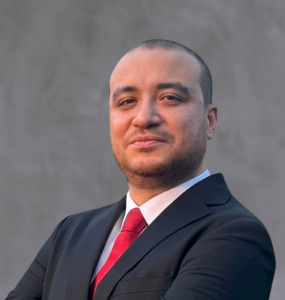
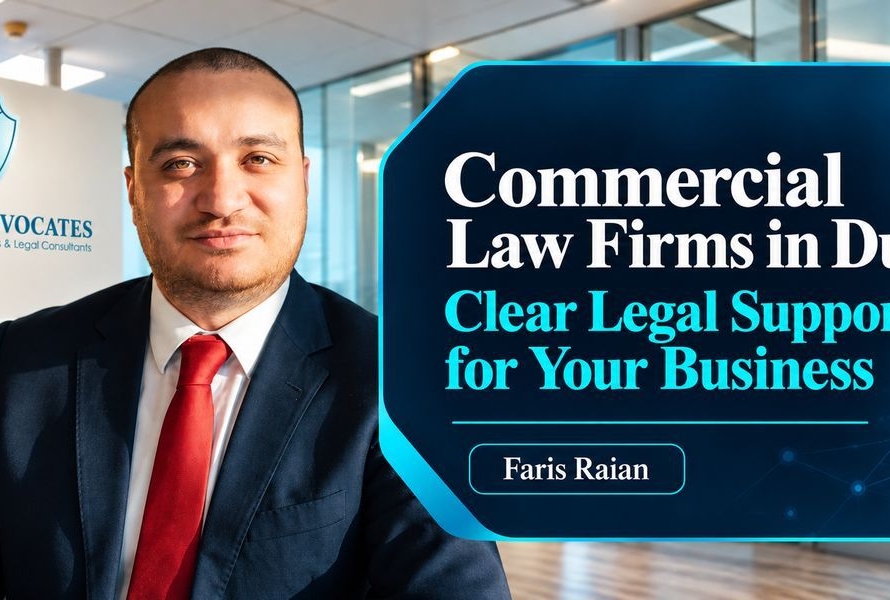
Faris Raian is the founder, managing partner, and senior legal consultant at Leaders Advocates. He has more than 15 years of experience across commercial, corporate, real estate, and litigation matters in the UAE, with work directly relevant to VARA and wider UAE virtual-asset matters, corporate structuring, commercial agreements, regulatory risk, and disputes connected with digital assets. His approach connects regulatory classification with the contracts, evidence, governance, and remedies that determine whether a digital-asset project can operate and respond to disputes.
Step 1: Identify Which Regulator Actually Applies to You
This is the step most people skip, and it’s the one that actually matters most. VARA governs most of Dubai’s mainland and free zones. DIFC and Abu Dhabi Global Market each run their own separate, common-law-influenced regimes. Federal matters can fall under the Capital Market Authority. A lawyer excellent in one of these frameworks may be starting from scratch in another.
Step 2: Match the Lawyer to That Specific Framework
Once you know which regulator applies, ask directly whether the lawyer has genuine, recent experience with that specific framework, not crypto law generally. A lawyer comfortable with VARA licensing may have limited exposure to DIFC’s separate regime, and the reverse is just as true.
Step 3: Confirm Whether the Matter Is Purely Regulatory or Genuinely Litigious
• A licensing or compliance question calls for regulatory fluency specifically.
• A contractual dispute over a token sale or a partnership agreement calls for genuine commercial litigation experience.
• A fraud allegation connected to crypto activity can carry criminal exposure, calling for a lawyer comfortable in that space too.
Step 4: Ask How They’d Actually Approach Your Specific Situation
A vague, generic answer here is a real warning sign. A lawyer who genuinely understands your situation should be able to walk you through, in specific terms, which regulatory questions actually matter for your case and what the realistic path forward looks like.
Unsure Which UAE Crypto Regulator Applies to Your Business?
VARA, DIFC, ADGM, and federal frameworks do not apply in the same way. Our team can review your entity, activity, customer flow, custody model, payment structure, and location before you commit to the wrong licensing route.
Build the Regulatory Map Before the Shortlist
List every legal entity, place of incorporation, operating office, website owner, app publisher, customer location, contracting party, bank account, wallet controller, and outsourced provider. A group chart that omits the entity serving the customer cannot support a reliable jurisdiction analysis.
Describe what the business actually does: exchange, broker-dealer, custody, advisory, lending and borrowing, management and investment, issuance, technology, marketing, payments, or another service. More than one regulated activity may be present, and the marketing label does not decide the licence.
For a dispute, map the same facts retrospectively. Identify who made the representation, signed the terms, received funds, controlled the wallet, refused withdrawal, and holds assets. The enforcement forum may differ from the regulator named in an advertisement.
• Entity, location, controllers, management, and existing licences.
• Customer journey from marketing and onboarding to deposit and withdrawal.
• Asset type, service, custody, execution, payment, and fee model.
• Target markets and any activity conducted in or from Dubai.
• Contracts, representations, regulator communications, and evidence trail.
Understand the Four Regulatory Lenses
VARA
VARA is the sole virtual-asset regulator across Dubai’s mainland and free zones except DIFC. A firm seeking to carry on regulated virtual-asset activities in or from that territory must obtain the required licence before commencing operations.
DIFC and the DFSA
DIFC is a separate financial free zone regulated by the DFSA. Its updated Crypto Token rules took effect on 12 January 2026, and firms conducting relevant financial services involving Crypto Tokens in or from DIFC require the appropriate DFSA authorisation.
ADGM and the FSRA
ADGM has a distinct FSRA regime for regulated activities involving virtual assets.
Federal Rules
Federal laws and authorities can still matter, including the CMA framework effective from 1 January 2026, the Central Bank, AML, sanctions, company, payment, data, and criminal rules.
The lawyer should explain how these layers interact rather than naming only one regulator.
Match Counsel to the Workstream
Licensing and Compliance
A licence application requires business-model analysis, corporate and controller information, governance, capital, compliance policies, financial-crime controls, custody, technology, outsourcing, and regulator engagement. Ask who prepares each workstream and what the client must supply.
Transactions and Contracts
A transaction requires different emphasis: token or investment terms, shareholder arrangements, custody, technology, vendor, customer, market-making, liquidity, listing, data, and intellectual-property agreements. The drafting lawyer should understand the regulatory limit behind each obligation.
Disputes and Recovery
A dispute may require immediate evidence preservation, exchange and wallet records, notices, police or regulator reports, tracing, interim measures, arbitration, court proceedings, and foreign enforcement. Confirm which people in the proposed team handle contentious and criminal aspects.
• Licensing and compliance for a planned or operating VASP.
• Corporate structuring, investment, governance, and token documents.
• Platform, custody, technology, customer, and vendor contracts.
• Fraud, frozen withdrawals, wallet disputes, and evidence preservation.
• Regulatory investigation, criminal allegation, arbitration, litigation, or recovery.
Use Case-Specific Interview Questions
Ask the lawyer to state the likely regulator and the fact that could change that conclusion. A careful answer may request documents or reserve a point. A vague promise to handle all UAE crypto law without identifying the entity and activity is not a substitute for analysis.
For licensing, ask about the sequence, internal preparation, regulator meetings, policies, technology and custody review, controller assessment, dependencies, and ongoing obligations. Ask what approval permits incorporation or preparation and what approval permits serving customers.
For disputes, ask which entity should receive the notice, where the claim can be brought, what evidence exists, which assets may be reached, whether urgent relief is realistic, and what cost-to-recovery ratio should guide the strategy.
• What exact regulator, permission, or prohibition should be checked first?
• What recent comparable work has the assigned team handled?
• What documents and internal owners are required from the client?
• Which work is included, excluded, or dependent on third parties?
• What is the realistic next decision after the first phase?
Check the Engagement Scope Line by Line
The scope should identify jurisdictions, entities, activities, documents, policies, meetings, legal opinions, application work, regulator communication, review rounds, contracts, negotiations, evidence analysis, and dispute assessment. If translations or technical specialists are needed, state who appoints and pays them.
Confirm the responsible partner or consultant, working lawyer, compliance support, and any advocate or arbitration counsel. Ask who attends regulator meetings, who owns document control, and who answers urgent questions. Hidden delegation is a practical risk in both licences and investigations.
Compare fixed and hourly proposals on the same assumptions. Record VAT, disbursements, retainers, application fees, external experts, travel, translations, and the approval process for additional work. A low headline fee can become expensive when the excluded work is essential.
Planning a VARA, DIFC, or ADGM Crypto Licence?
A licence strategy should match the actual regulated activity, legal entity, controllers, custody model, customers, technology, and compliance structure. Get the framework and workstreams mapped before filing or signing major commercial commitments.
Recognise Red Flags Before Sharing Sensitive Data
A lawyer should complete a conflict check before receiving confidential investor, customer, source-of-funds, key, or wallet information. Share only what is needed through an agreed secure channel. Never send a seed phrase or private key to prove ownership.
Reject guarantees of approval, recovery, or a favourable criminal result. Regulators, courts, exchanges, banks, and overseas authorities make independent decisions. A proper proposal sets dependencies, risks, and client responsibilities.
Be cautious if advice relies on a brand, free-zone incorporation, or foreign licence without matching the legal entity and local regulated activity. The same group can operate through multiple entities with different permissions and complaint routes.
• The regulator is chosen before the business model and documents are reviewed.
• The adviser recommends operating before the required licence or final approval.
• The proposal promises secret access, guaranteed approval, or guaranteed recovery.
• No named team, supervision, security process, or dispute handover is provided.
• Private keys, seed phrases, or excessive identity data are requested unnecessarily.
Score the Final Candidates
Use a simple score for regulator fit, comparable work, business understanding, issue analysis, team, availability, security, dispute support, scope, and fee clarity. The score prevents a famous profile or polished pitch from replacing the criteria the matter actually needs.
Seek clarification where proposals differ. One lawyer may have included application policies and regulator meetings while another quoted only a preliminary opinion. Make the scopes comparable before selecting on price.
At kickoff, confirm objective, red lines, responsibilities, information gaps, timetable, version control, communication, and the decision expected at each phase. The selection process is only useful if it becomes a disciplined working relationship.
Unsure which regulator or lawyer fits your crypto matter? Faris Raian and the team at Leaders Advocates can identify the entity, activity, jurisdiction, regulatory and contractual workstreams, dispute exposure, and a clear first-phase scope before the engagement expands.
Common Mistakes
• Choosing a lawyer before confirming which specific regulator actually governs your situation.
• Assuming general crypto familiarity is the same as genuine experience with a specific regulatory framework.
• Not accounting for potential criminal exposure alongside a purely commercial or regulatory question.
• Comparing fee quotes before making the proposed work and assumptions comparable.
• Sharing wallet secrets or extensive source-of-funds material before conflicts and security are confirmed.
• Hiring licensing counsel without confirming litigation, criminal, arbitration, or cross-border support where the facts require it.
Relevant Legal Services
A Crypto Lawyer in Dubai can identify the framework and handle licensing, transactions, disputes, and recovery. A Corporate Lawyer in Dubai can align the legal entity, ownership, governance, investment, and contracts. A Cybercrime Lawyer in Dubai can assess platform fraud, digital evidence, wallet activity, and criminal complaints.
People Also Ask
Conclusion
Choose a cryptocurrency lawyer in Dubai by starting with the regulator, entity, and activity, not the profile.
Then test comparable experience, workstream fit, team responsibility, security, dispute capability, scope, and fees. A strong lawyer should explain what fact could change the answer and define a useful first decision.
Facing a Frozen Crypto Account, Fraud Claim, or Platform Dispute?
Crypto disputes can involve the wrong entity, regulator, jurisdiction, contract, payment recipient, or wallet trail. Faris Raian and the team at Leaders Advocates can assess the evidence, legal forum, regulatory position, and realistic recovery or defence route.

3 Comments